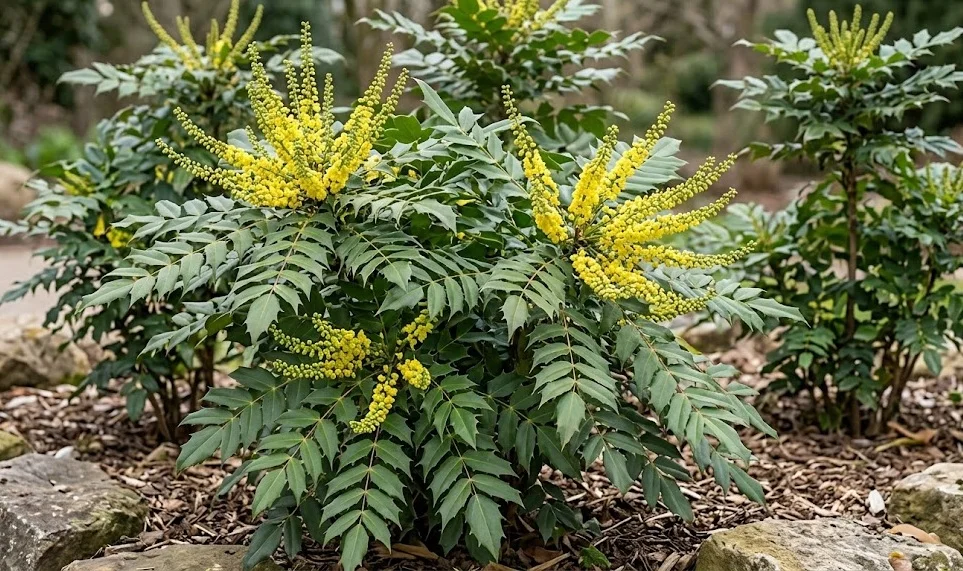

Providing the correct balance of moisture and nutrients is fundamental to the long-term health and visual appeal of your Japanese mahonia. While these shrubs are relatively hardy once established, they have specific requirements that must be met to ensure they reach their full potential. You should focus on a watering schedule that mimics the natural rhythms of their native woodland environment, emphasizing consistency over frequency. A well-nourished plant is far more resilient to environmental stressors, pests, and the common diseases that can affect evergreen foliage.
Watering should be deep and thorough to encourage the development of a strong, expansive root system that can sustain the plant during dry spells. You should aim to keep the soil consistently moist but never allow it to become waterlogged, as poor drainage is a primary cause of root failure. During the first few years after planting, the mahonia will require more frequent attention to its hydration needs than a mature specimen. Monitoring the soil moisture by hand is the most reliable way to determine when your plant needs an extra drink.
Fertilization plays a supporting role, providing the essential building blocks for lush foliage and the energy required for winter blooming. You should use high-quality organic fertilizers that release their nutrients slowly over time, avoiding the sudden surges of growth caused by synthetic products. Feeding the plant at the right time of year ensures that the nutrients are available when the shrub needs them most for new growth. A balanced approach to nutrition also helps to maintain the slightly acidic soil conditions that this species prefers.
As you develop a care routine, remember that the environment around your mahonia is constantly shifting with the changing seasons. You will need to adjust your watering and fertilizing strategies to account for fluctuations in temperature, rainfall, and humidity. Observing the physical appearance of the leaves and the vigor of new stems will provide you with valuable feedback on the success of your maintenance program. With a little practice, you can master the art of hydrating and feeding this magnificent evergreen.
Establishing an effective watering routine
The frequency of watering depends heavily on your local climate, the type of soil in your garden, and the current weather conditions. You should check the moisture levels at the root zone regularly, especially during the warm summer months or prolonged periods without rain. A simple way to do this is to push your finger into the soil near the base of the plant to see if it feels dry several inches down. If the soil feels dusty or hard, it is time to provide a deep and slow soaking.
More articles on this topic
Using a soaker hose or a drip irrigation system is often more effective than using a traditional overhead sprinkler for these shrubs. These methods deliver water directly to the soil surface, reducing evaporation and keeping the foliage dry to prevent fungal issues. You should water the plant early in the morning or late in the evening to maximize the amount of moisture that reaches the roots. Providing water at a slow rate allows it to penetrate deeply into the ground rather than running off the surface.
In areas with heavy clay soil, you must be particularly careful not to overwater, as the ground can easily become saturated and oxygen-deprived. Conversely, in sandy soils that drain very quickly, you may need to water more frequently to keep the plant from drying out. Adding organic matter to the soil can help to balance these extremes by improving moisture retention and drainage simultaneously. Finding the right rhythm for your specific garden conditions is a key part of becoming a successful mahonia grower.
Mature Japanese mahonia plants are surprisingly drought-tolerant, but they will still perform better if they receive supplemental water during extreme dry spells. You should watch for signs of stress, such as wilting or a loss of the characteristic glossy sheen on the leaves. Even if the plant survives a drought, it may sacrifice its winter flowers to conserve energy, which would be a loss for the garden’s aesthetic. Consistent moisture is the best way to ensure a reliable and beautiful performance year after year.
Nutrient requirements and fertilizer selection
Choosing the right fertilizer starts with understanding the specific nutritional needs of evergreen shrubs that prefer acidic conditions. You should look for products labeled for use with hollies, azaleas, or camellias, as these will have the correct balance of macronutrients and trace elements. These fertilizers often contain acidifying agents that help to keep the soil pH within the ideal range for the mahonia. Organic options like fish emulsion, seaweed extract, or well-composted manure are also excellent choices for promoting long-term soil health.
More articles on this topic
The primary nutrients—nitrogen, phosphorus, and potassium—each play a vital role in the different stages of the plant’s development. Nitrogen is essential for the production of healthy green leaves and strong stems, which are the hallmark of this species. Phosphorus supports root development and the formation of the fragrant yellow flower spikes that appear in the winter. Potassium helps the plant regulate its water usage and strengthens its overall resistance to cold and disease.
Micronutrients such as iron and magnesium are also important for maintaining the dark green color of the leathery foliage. You should be aware that these elements can become unavailable to the plant if the soil pH becomes too alkaline. If you notice yellowing between the veins of the leaves, it may be a sign that the plant is struggling to absorb these essential minerals. Applying a specialized micronutrient supplement can quickly resolve these issues and restore the plant’s health.
It is always better to under-fertilize than to over-fertilize, as excessive nutrients can lead to salt buildup in the soil and damage the roots. You should always follow the manufacturer’s instructions regarding the application rates and methods for any product you choose. Applying fertilizer to moist soil and watering it in thoroughly will help prevent root burn and ensure even distribution. A thoughtful approach to nutrition will reward you with a vigorous and beautiful Japanese mahonia.
Timing your fertilizer applications for maximum impact
The best time to apply fertilizer to your Japanese mahonia is in the early spring, just as the new growth begins to emerge. This provides the plant with a boost of nutrients to support the development of fresh stems and leaves after the winter flowering period. You should wait until the danger of hard frost has passed before feeding, as you don’t want to encourage tender growth too early. A single application of a slow-release fertilizer at this time is often sufficient for the entire growing season.
If your soil is particularly poor or the plant seems to be struggling, you may consider a second, lighter feeding in the early summer. You should avoid fertilizing in late summer or autumn, as this can stimulate new growth that won’t have time to harden off before winter. This soft growth is very susceptible to frost damage and can compromise the health of the entire shrub. By following the natural growth cycle of the plant, you ensure that your efforts are as effective as possible.
Winter is a time of rest and flowering for the mahonia, and it does not require any supplemental feeding during these months. You should focus on maintaining consistent moisture levels instead, as the plant is still transpiring through its evergreen leaves. The energy for the winter flowers is actually stored in the plant during the previous growing season, so your spring and summer care is what truly fuels the winter display. Understanding these seasonal priorities will help you manage your garden tasks more efficiently.
Always observe the plant’s reaction to your feeding schedule and make adjustments as necessary based on its performance. If the mahonia is growing vigorously and looks healthy, there is no need to increase the amount of fertilizer you are using. On the other hand, if growth is stunted or the leaves appear pale, you may need to re-evaluate your choice of product or the timing of your applications. Gardening is a continuous learning process, and the plant itself is often the best teacher.
Soil amendments and their role in nutrition
Beyond standard fertilizers, amending the soil with organic matter is one of the best things you can do for your mahonia’s long-term health. Regularly adding compost or leaf mold to the soil surface improves the structure and increases the biological activity in the root zone. These organic materials break down slowly, providing a steady stream of nutrients and improving the soil’s ability to hold onto both air and water. This mimics the natural forest environment where these plants evolved and thrive.
Mulching is another essential practice that contributes to both moisture regulation and the nutritional needs of the plant. A thick layer of organic mulch, such as pine bark or wood chips, helps to keep the soil temperature stable and suppresses weed growth. As the mulch decomposes over time, it adds valuable organic matter back into the ground, enriching the soil for the roots below. You should replenish the mulch layer every year to maintain its benefits and keep the garden looking tidy.
If you discover that your soil pH is too high for the mahonia, you can use amendments like granulated sulfur to gradually lower it. This is a slow process that should be monitored with regular soil tests to avoid over-correcting and making the soil too acidic. Iron sulfate can also be used to provide a quick boost of iron while simultaneously lowering the pH in the immediate area. Maintaining the correct chemical balance in the soil is just as important as providing the right amount of water.
The health of the soil is directly reflected in the health of the plant, so investing time in soil improvement pays off in the long run. You should avoid using heavy chemical pesticides or herbicides near the root zone, as these can harm the beneficial soil organisms that help the plant absorb nutrients. A living, vibrant soil ecosystem is the best defense against many of the problems that can plague garden plants. By caring for the ground, you are creating a sustainable home for your Japanese mahonia to flourish.
Monitoring and troubleshooting watering and feeding issues
Regularly inspecting your Japanese mahonia will help you catch any issues with watering or fertilizing before they become serious problems. You should look for physical cues like drooping leaves, which can indicate either too much or too little water depending on the context. If the leaves are turning brown at the edges, it might be a sign of drought stress or an accumulation of salts from over-fertilizing. Learning to read these signals is an important skill for any dedicated gardener or plant enthusiast.
If you suspect overwatering is an issue, the first step is to stop adding water and check the drainage of the site. You may need to clear away some mulch to let the soil surface dry out or even move the plant if the area is consistently swampy. Root rot is difficult to treat once it has taken hold, so prevention and early detection are absolutely critical. Improving the soil structure with grit or organic matter can help prevent this problem from recurring in the future.
When dealing with nutrient deficiencies, it is important to identify the specific element that is missing before taking corrective action. A soil test is the most accurate way to determine what your garden needs and can save you money on unnecessary fertilizers. Once you have the results, you can apply the appropriate amendments in the correct quantities to restore the balance. Remember that it takes time for the plant to respond to changes in its nutritional environment, so be patient.
Maintaining a simple log of when you water and fertilize can help you identify patterns and make better decisions for your garden. You might notice that the plant needs more water during certain months or that its growth improved significantly after a specific feeding. Sharing your observations with other gardeners can also provide new insights and help you refine your techniques. With consistent care and a watchful eye, your Japanese mahonia will continue to be a source of pride and beauty.