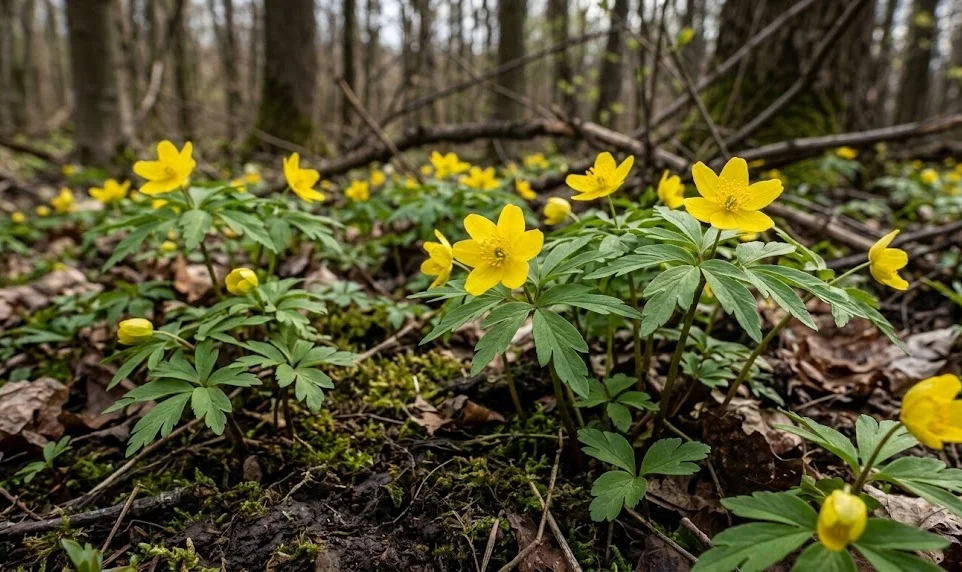

Maintaining the health of the yellow wood anemone involves a proactive approach to identifying and managing potential diseases and pests. While this woodland species is generally resilient when grown in its ideal conditions, it can occasionally fall victim to certain fungal pathogens or hungry garden visitors. Professional gardeners prioritize prevention through proper site management and cultural practices to keep the plants vigorous. Understanding the specific threats that can affect this early spring bloomer allows you to intervene quickly and effectively when necessary.
Fungal issues are the most common diseases that affect the yellow wood anemone, often triggered by excessive moisture or poor air circulation. Because these plants thrive in damp, shaded environments, they are naturally exposed to various molds and mildews that can damage their delicate foliage. Maintaining a clean garden and ensuring proper spacing between plants are the best ways to keep these fungal threats at bay. When a disease does appear, identifying it early is key to preventing it from spreading throughout the entire colony.
Pests, while less frequent than diseases, can also pose a challenge to the beauty and vitality of the yellow wood anemone. Slugs and snails are perhaps the most notorious culprits, as they are highly active in the damp, spring conditions that the anemones love. Some insects may also occasionally target the leaves or flowers, though they rarely cause permanent damage to the underground rhizomes. Using organic and targeted pest control methods helps protect the anemones without harming the beneficial insects in your garden.
A professional pest and disease management strategy always begins with the overall health of the plant. Stressed plants—whether from drought, poor nutrition, or incorrect light—are much more likely to succumb to illness than healthy ones. By providing the correct care and environment, you create a natural defense system that can withstand most common garden pressures. Regular inspections during the spring months will help you stay ahead of any issues and ensure a spectacular floral display every year.
Fungal pathogens and leaf spots
Leaf spot diseases are among the most frequently encountered fungal problems for the yellow wood anemone. These typically appear as small, dark brown or black spots on the leaves, which can eventually merge and cause the foliage to yellow prematurely. While a few spots are rarely fatal, a severe infection can reduce the plant’s ability to photosynthesize and store energy for the next year. This is often caused by water sitting on the leaves for extended periods, especially during cool spring nights.
More articles on this topic
To prevent leaf spots, you should always water your anemones at the base of the plant rather than from overhead. This keeps the foliage dry and makes it much harder for fungal spores to gain a foothold and begin their infection cycle. If you notice infected leaves, they should be carefully removed and disposed of—not in your compost pile—to reduce the source of spores. Increasing the airflow around the plants by thinning out surrounding vegetation can also help the foliage dry more quickly after rain.
Anemone rust is another specific fungal disease that can occasionally affect this species and its relatives. It presents as small, orange or yellow pustules on the undersides of the leaves, which can give the plant a dusty or scorched appearance. Rust fungi often have complex lifecycles that involve alternative host plants, making them a bit trickier to manage than simple leaf spots. Removing affected plants and avoiding planting other susceptible species nearby are the most effective professional interventions for rust.
Powdery mildew can also appear on the leaves of the yellow wood anemone, especially if the air is humid but the soil is dry. This looks like a fine, white dust covering the foliage, which can eventually lead to leaf distortion and reduced vigor. Ensuring the plants have consistent soil moisture and adequate spacing will significantly reduce the risk of this common fungal issue. For persistent problems, an organic spray made from neem oil or a diluted milk solution can help keep the mildew under control.
Root rot and moisture control
Root and rhizome rot are perhaps the most serious diseases that can affect the yellow wood anemone, as they target the plant’s very foundation. This condition is almost always a result of overly wet or poorly drained soil, which creates the perfect environment for soil-borne pathogens like Phytophthora. Affected plants will often look wilted or stunted even when the soil is wet, and their leaves may turn yellow or brown suddenly. If you lift a diseased rhizome, it will feel soft, mushy, and may have a foul odor.
More articles on this topic
Preventing rot starts with proper site selection and soil preparation before you even put the first plant in the ground. You must ensure that the soil has enough organic matter to hold moisture but enough grit or aeration to allow excess water to drain away. If your garden is prone to standing water, you should consider planting your anemones on a slight mound or in a raised bed. A professional gardener knows that you can always add water to a dry spot, but it is much harder to fix a site that is naturally too wet.
Watering practices during the plant’s summer dormancy are also critical for preventing rhizome rot. Since the plant has no leaves to transpire water, the soil can easily become waterlogged if you continue to irrigate at the same rate as you did in the spring. You should drastically reduce watering once the foliage has died back, allowing the soil to remain only slightly moist. This period of “drier rest” is essential for the health of the rhizomes and prevents them from becoming victims of opportunistic soil fungi.
If you suspect a patch of your anemones is suffering from root rot, you should act quickly to prevent the infection from spreading to healthy areas. Dig up the affected plants and inspect the rhizomes, cutting away any soft or discolored sections with a sterilized knife. Replant only the firm, healthy pieces in a new location with better drainage, and discard the contaminated soil. It is also a good idea to sterilize your tools after working in a diseased area to avoid accidentally moving the pathogens elsewhere.
Common insect pests
While the yellow wood anemone is generally not a favorite target for many insects, a few pests can occasionally cause cosmetic or minor damage. Aphids are small, soft-bodied insects that may gather on the new shoots or the undersides of the leaves in early spring. They suck the sap from the plant, which can lead to distorted growth or a sticky residue known as honeydew. In most cases, a strong blast of water from a garden hose is enough to dislodge these pests and keep them under control.
Caterpillars of various moth and butterfly species may also find the tender leaves of the anemone to be a tasty snack. You might notice small holes in the foliage or edges that have been chewed away, but this is rarely a threat to the plant’s overall survival. If you find a few caterpillars, you can simply move them to a different part of the garden where they can finish their lifecycle on less precious plants. Only a massive infestation would require more aggressive measures, which is very uncommon for this particular species.
Fungus gnats can sometimes be a problem if the soil is kept too wet for long periods, especially in nursery settings or very sheltered gardens. These tiny black flies are more of a nuisance to the gardener, but their larvae can feed on the fine root hairs of the anemone rhizomes. Reducing the frequency of watering and allowing the soil surface to dry out slightly between waterings is the best way to break their lifecycle. A thin layer of sand or fine grit on top of the soil can also prevent the adults from laying their eggs.
Scale insects are another potential pest, appearing as small, immobile bumps on the stems or the undersides of the leaves. Like aphids, they feed on plant sap and can weaken the anemone if they are allowed to multiply unchecked. You can remove small numbers of scale insects by hand or by dabbing them with a cotton swab dipped in rubbing alcohol. Keeping your plants healthy and stress-free is the best long-term defense against scale and other opportunistic insect pests.
Slugs and snails management
Slugs and snails are the most persistent and damaging pests for the yellow wood anemone, especially given the plant’s preference for damp, shaded areas. These mollusks love to feed on the tender new shoots as they emerge from the ground, sometimes eating them all the way to the soil line. They are also very fond of the delicate yellow flower petals, which can quickly become riddled with holes or completely destroyed. Because they are most active at night, you may only see the silvery slime trails they leave behind as evidence of their presence.
The first line of defense against slugs is to manage the environment to make it less hospitable for them. Removing large debris, such as piles of old leaves or flat stones near the anemones, eliminates the cool, damp hiding places they use during the day. Keeping the area immediately around the plants clear of excessive mulch can also help by making it harder for the slugs to travel across the soil. A professional tip is to create a “dry zone” of coarse sand or grit around the anemone patch to discourage slugs from crossing.
Manual control can be very effective if you are willing to spend a few evenings in the garden with a flashlight. You can simply pick the slugs and snails off the plants and move them to a far corner of the yard or drop them into a bucket of soapy water. Setting up simple traps, such as a shallow dish of beer buried at soil level, can also lure slugs away from your precious anemones. These organic methods are safe for birds, toads, and other beneficial garden residents that naturally prey on slugs.
If the slug pressure is extremely high, you may need to use an organic slug bait that contains iron phosphate. This material is effective at controlling slugs and snails but is considered safe for pets, wildlife, and the environment when used as directed. Avoid using old-fashioned slug pellets containing metaldehyde, as these are highly toxic and can harm the very creatures that help keep your garden in balance. By combining these different strategies, you can protect your yellow wood anemones from even the hungriest mollusks.
Preventative care strategies
The most effective way to manage diseases and pests is to prevent them from ever occurring through professional cultural practices. This starts with sourcing healthy, disease-free rhizomes from reputable nurseries and inspecting them carefully before planting. Quarantining new plants for a few weeks before adding them to your main garden can prevent the introduction of new pests or pathogens. A little bit of caution at the beginning can save you hours of work and potential heartbreak later on.
Maintaining the correct environmental conditions is your best long-term strategy for keeping your anemones healthy and resilient. Ensure the plants have the right amount of shade, moisture, and soil nutrition to keep them in peak physical condition. Stressed plants emit chemical signals that can actually attract certain pests, making them a target for further damage. By providing expert care, you make your anemones much less attractive to the various threats that might otherwise affect them.
Good garden hygiene is another essential pillar of preventative care that you should practice throughout the year. Clear away dead foliage from the previous season to remove potential overwintering sites for pests and fungal spores. Sterilize your pruning shears and garden forks with a 10% bleach solution or rubbing alcohol between uses, especially if you have been working with diseased plants. These simple habits create a cleaner, safer environment where your yellow wood anemones can truly flourish.
Finally, foster a diverse and healthy garden ecosystem that includes natural predators of the common anemone pests. Birds, toads, ground beetles, and lacewings all play a role in keeping insect and slug populations in check. Avoid using broad-spectrum pesticides that kill these beneficial helpers along with the pests you are trying to control. By working with nature rather than trying to dominate it, you create a self-regulating garden where your yellow wood anemones can thrive in peace.