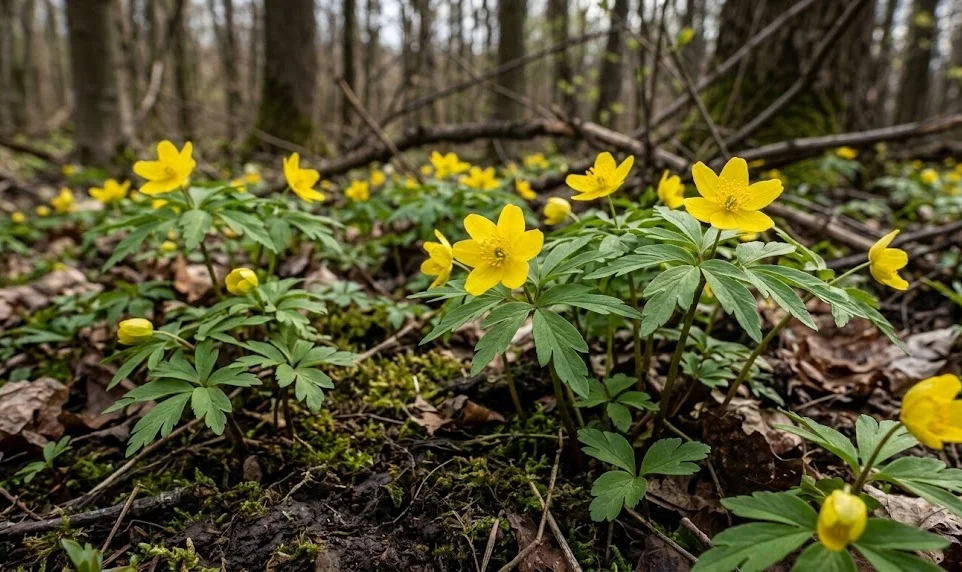

Preparing the yellow wood anemone for winter is a straightforward process that respects its natural cycle of dormancy and cold-hardiness. This resilient woodland species is well-adapted to survive freezing temperatures, provided it has been properly established during the growing season. In its native habitats, the plant is naturally protected by a thick layer of fallen leaves and a blanket of snow. Professional overwintering care involves mimicking these natural protective layers to ensure the rhizomes remain healthy and ready for a vigorous spring emergence.
The key to successful overwintering begins long before the first frost hits the ground. Throughout the summer and autumn, your focus should be on maintaining the health of the underground rhizomes, which are the plant’s life support during the cold months. By ensuring the plants have adequate moisture and nutrition during their active phase, you help them build up the energy reserves they need. A healthy, well-fed anemone is much more likely to withstand the stresses of a harsh winter than one that has been neglected.
As the temperatures drop and the days grow shorter, the yellow wood anemone enters a deep state of dormancy. During this time, the above-ground parts of the plant are completely gone, leaving only the rhizomes hidden beneath the soil. Your primary goal during the winter is to protect these delicate structures from extreme temperature fluctuations and excessive wetness. Proper soil insulation and moisture management are the two most important factors in a professional overwintering strategy for this species.
By following a few simple steps in the late autumn, you can rest easy knowing your anemone patch is safe until spring. Monitoring the garden during the winter months, especially during unusual weather events, allows you to make minor adjustments as needed. When the first warm days of early spring arrive, your careful preparation will be rewarded with the sudden appearance of vibrant green shoots. Overwintering is not just about survival; it is about setting the stage for the next season’s spectacular floral display.
Late season preparation
The first step in a professional overwintering plan is to allow the plant to enter dormancy naturally without interference. You should never cut back the leaves while they are still green, as this deprives the rhizome of the energy it is trying to store. Only after the foliage has turned completely yellow or brown and has begun to wither should you consider any cleanup. In many cases, it is even better to leave the dead leaves in place to act as a natural, albeit thin, layer of protection.
More articles on this topic
As autumn progresses, you should take the opportunity to clear the area of any aggressive weeds that might have popped up. These weeds can continue to grow in the cooler weather and may compete with the anemones as soon as spring arrives. Removing them now ensures that the anemone rhizomes have the entire space to themselves when they wake up. Be careful not to dig too deeply, as the anemone rhizomes are often quite close to the soil surface and easily damaged.
Checking the moisture levels one last time before the ground freezes is another important late-season task. If the autumn has been particularly dry, you should provide a few deep waterings to ensure the soil around the rhizomes is hydrated. Moist soil actually holds heat better than dry soil, providing a more stable environment for the dormant roots. However, you should avoid over-watering, as you do not want the rhizomes to sit in soggy ground as the temperatures drop.
Finally, take a moment to mark the location of your yellow wood anemone patch with small stakes or garden labels. Since the plants disappear entirely above ground, it is very easy to forget exactly where they are during the winter and early spring. This prevents you from accidentally digging into the patch or planting something else on top of it later on. Accurate labeling is a hallmark of an organized and professional garden, ensuring that your precious perennials are always accounted for.
Mulching for protection
Mulching is the most critical intervention you can perform to help your yellow wood anemones survive the winter successfully. In a forest, the annual drop of deciduous leaves provides a perfect, self-renewing layer of insulation for the understory plants. You should try to replicate this by applying a two-to-three-inch layer of organic mulch over the entire planting area in late autumn. This layer acts as a thermal blanket, preventing the soil from freezing and thawing rapidly, which can damage the rhizomes.
More articles on this topic
The best materials for winter mulching are those that mimic the natural forest floor, such as shredded leaves or well-rotted leaf mold. These materials are lightweight, breathable, and will eventually break down to enrich the soil with valuable nutrients. You should avoid heavy, matted materials like whole maple leaves, which can trap too much moisture and potentially cause rot. Pine needles or fine bark mulch are also excellent alternatives if leaf mold is not readily available in your garden.
Timing your mulch application is just as important as the material you choose to use. You should wait until the ground has chilled but before it has frozen solid to apply your winter protective layer. If you mulch too early, you might trap heat in the soil and delay the plant’s entry into deep dormancy. If you wait too long, the first deep freeze could catch the shallow rhizomes unprotected and cause unnecessary stress or damage.
In the spring, you will need to keep an eye on this mulch layer as the temperatures begin to rise. While it provides essential protection in the winter, it can also act as a barrier to the emerging shoots if it is too thick or compacted. As soon as you see the first signs of growth, you should gently thin out the mulch to allow the delicate anemones to push through. This careful management of the protective layer ensures that your plants stay safe without being smothered.
Rhizome health during dormancy
The health of the underground rhizomes is the determining factor in whether your yellow wood anemones will return in the spring. During the winter, these rhizomes are in a state of suspended animation, but they are still living biological structures. They are vulnerable to two main threats: physical damage from freezing and rot from excessive moisture. A professional gardener understands that the winter environment must be managed to mitigate these risks as much as possible.
Soil “heaving” is a physical phenomenon where the repeated freezing and thawing of the ground pushes plants and rhizomes toward the surface. This exposes the delicate structures to the cold air and can cause them to dry out or freeze completely. A good layer of mulch, as discussed previously, is the best defense against heaving by keeping the soil temperature more consistent. If you notice any rhizomes have been pushed to the surface during a winter thaw, gently press them back down and add more mulch.
Excessive winter moisture can be just as dangerous as the cold, especially if the soil does not drain well. In regions with high winter rainfall or heavy snowmelt, the dormant rhizomes can easily become waterlogged and succumb to rot. This is why proper site selection and soil preparation with organic matter and grit are so vital from the very beginning. If you know your site is prone to winter wetness, you might consider diverting excess water away from the anemone patch with small trenches.
Pests can also occasionally be a problem for dormant rhizomes during the winter months. Rodents like voles or mice may find the buried roots to be a convenient food source when other options are scarce. While it is difficult to prevent this entirely, keeping the area clear of long grass and excessive debris can reduce the hiding spots for these animals. Encouraging natural predators like owls or hawks into your garden can also help keep rodent populations under control throughout the year.
Spring emergence readiness
As winter begins to fade and the first signs of spring appear, your focus shifts to preparing for the anemones’ return. You should start by monitoring the air and soil temperatures to get a sense of when the growth might begin. The yellow wood anemone is one of the earliest plants to wake up, often appearing alongside snowdrops and winter aconites. Being ready for this emergence allows you to provide the best possible support for the new season’s growth.
The first active task is to carefully pull back some of the heavier winter mulch to make way for the delicate new shoots. You don’t want to remove it all, as the soil still needs some protection from late-season frosts and moisture loss. Instead, just thin the layer so that the light and air can reach the soil surface and stimulate growth. Using your hands is safer than using a rake, as the new shoots are extremely fragile and can be easily snapped.
Once the shoots are visible, it is a good time to assess the overall health and spread of the colony after the winter. You might notice that the patch has expanded slightly or that some areas are coming up more vigorously than others. This information is valuable for planning future divisions or adjusting your care routine for the coming year. If any areas failed to return, you can investigate the soil to see if rot or pests were the cause of the problem.
Early spring is also the ideal time to apply a very light top-dressing of fine compost or a balanced organic fertilizer. This provides a fresh supply of nutrients that the plant can use immediately as it builds its flowers and leaves. Since the soil is usually quite moist at this time of year, the nutrients will easily wash down to the root zone. With these final preparations complete, you can sit back and enjoy the beautiful golden carpet that signals the true arrival of spring.