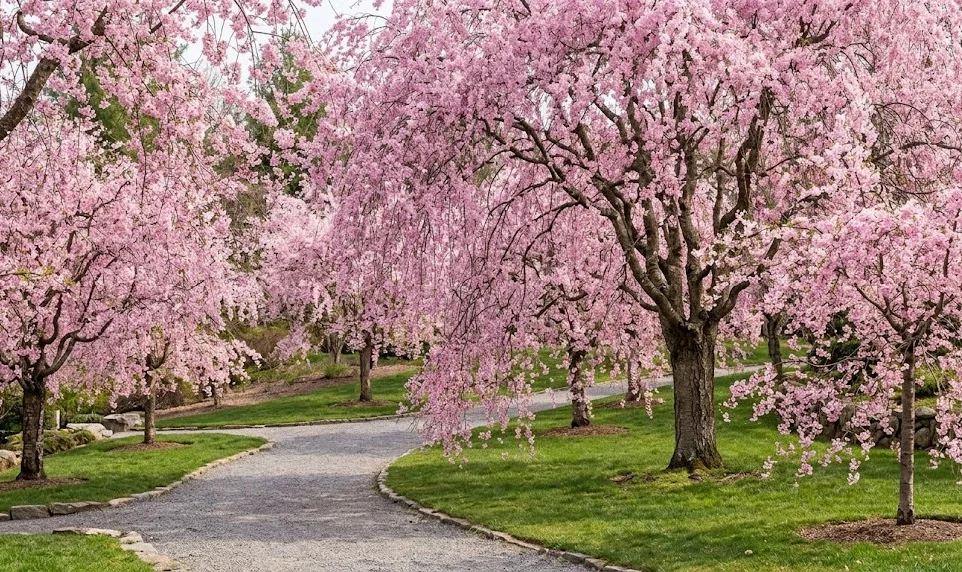

The care of this ornamental tree is a rewarding process that requires patience and a keen eye for detail throughout the year. You will notice that the tree responds remarkably well to consistent routines that prioritize its physiological health. Many gardeners find that observing the subtle changes in the bark and leaves can prevent many future complications. This guide aims to provide you with the professional knowledge needed to keep your specimen thriving for decades.
It is essential to understand that the tree’s health is closely tied to its environment and the daily attention it receives. When you walk through your garden, take a moment to inspect the trunk for any signs of stress or unusual markings. A healthy tree will show vibrant colors and a strong structure that stands up well to the local weather. By dedicating a few minutes each week to basic maintenance, you ensure the longevity of this beautiful landscape feature.
Professional arborists often emphasize that preventative care is much more effective than trying to fix a problem once it has appeared. You should focus on creating a stable ecosystem around the roots to support the canopy above. This involves a combination of soil management, moisture control, and the removal of any competing weeds. Developing a deep connection with your plants allows you to notice small issues before they become significant threats to the tree’s survival.
Sustainable practices are the backbone of any successful ornamental garden, especially when dealing with delicate cherry varieties. You can use natural materials to enhance the soil and provide the necessary nutrients without relying on harsh chemicals. It is worth remembering that the goal is to mimic the natural conditions where these trees originally flourished. By following these professional guidelines, you will create a sanctuary where your tree can reach its full genetic potential.
Understanding seasonal needs
Each season brings a new set of requirements that you must address to maintain the tree’s vigor and ornamental beauty. In the early spring, your focus should shift toward supporting the energy-intensive blooming period that defines the variety. You might notice that the tree requires more frequent inspections as the weather fluctuates between late frosts and early warmth. Keeping a garden journal can help you track these changes and prepare for the specific needs of each month.
More articles on this topic
During the height of summer, the primary challenge is managing heat stress and ensuring consistent hydration for the leaf canopy. You should pay close attention to the leaves, as they will often wilt slightly if the midday sun becomes too intense. Providing some afternoon relief through strategically placed taller plants or structures can make a significant difference. It is also a good time to check for any summer pests that might be looking for a new home in the lush foliage.
As autumn approaches, the tree begins to prepare for its dormant phase, which is a critical time for structural stability. You will see the leaves change color and eventually drop, signaling that the tree is moving nutrients down into the root system. This is the perfect window to clean up any fallen debris to prevent fungal spores from overwintering near the base. Preparing the soil for the cold months ahead ensures that the roots remain protected from extreme temperature swings.
Winter care is often overlooked, yet it is vital for protecting the tree from physical damage caused by heavy snow or ice. You can gently brush away significant snow accumulation to prevent branches from bending or snapping under the weight. It is also important to guard against frost cracks that can occur when the sun warms the bark during the day and freezes it at night. A simple wrap or protective barrier can offer the necessary insulation during the harshest periods of the year.
Optimal soil conditions
The foundation of a healthy tree is always found beneath the surface in the quality and composition of the soil. You should aim for a loamy mixture that provides both excellent drainage and the ability to hold onto essential moisture. Testing your soil’s pH levels is a professional step that tells you if the environment is too acidic or alkaline for optimal growth. Adjusting these levels slowly over time is much better for the tree than making drastic changes all at once.
More articles on this topic
Compacted soil is a common enemy in modern gardens because it prevents oxygen and water from reaching the delicate root tips. You can improve aeration by carefully incorporating organic matter like well-rotted compost or leaf mold into the top layers. It is important to avoid digging too deeply near the trunk to prevent accidental damage to the surface roots. A loose, crumbly texture allows the roots to expand easily and establish a strong anchor in the ground.
Mineral balance is another key component that dictates how well your tree can synthesize the nutrients it needs for blooming. You might find that adding a small amount of slow-release minerals can bridge the gap in naturally poor soils. It is beneficial to think of the soil as a living organism that needs to be fed and nurtured just as much as the tree itself. Healthy microbial activity in the earth will naturally break down organic material into a form that the tree can easily absorb.
Drainage is perhaps the most critical factor because waterlogged roots will quickly lead to decay and systemic failure. If your garden has heavy clay soil, you may need to install a drainage system or plant the tree on a slight mound. You can check the drainage by digging a small hole and seeing how quickly water disappears after a heavy rain. Ensuring that the roots never sit in standing water is the best way to prevent root rot and other moisture-related diseases.
Managing the root environment
The root zone is the life support system for the entire tree, and keeping it protected is a top priority for any gardener. You should maintain a clear area around the base of the trunk to prevent competition from grass and other aggressive plants. Grass can be surprisingly greedy when it comes to nitrogen and water, often depriving the tree of what it needs. A clean, managed circle around the tree also reduces the risk of mechanical damage from lawnmowers and trimmers.
Applying a layer of high-quality mulch is an excellent way to regulate soil temperature and preserve moisture during dry spells. You should use organic materials like wood chips or shredded bark that will eventually break down and enrich the soil. It is crucial to keep the mulch a few inches away from the actual trunk to prevent moisture from sitting against the bark. A depth of two to three inches is usually sufficient to provide all the benefits without suffocating the roots.
Mycorrhizal fungi can be a secret weapon in your gardening toolkit to enhance the root’s ability to take up nutrients. These beneficial organisms form a symbiotic relationship with the tree, effectively extending the reach of the root system. You can introduce these fungi during planting or through specialized soil treatments designed for ornamental trees. Many professionals swear by this method because it creates a more resilient plant that can withstand environmental stressors.
Regularly inspecting the root flare, which is the area where the trunk expands into the roots, ensures the tree is at the correct depth. You should be able to see the top of the flare just at the soil surface rather than buried deep in the ground. If soil has washed over this area, gently clear it away to allow the bark to breathe and stay dry. Proper exposure of the root flare is a hallmark of professional tree care and prevents many long-term health issues.
Foliage and bloom health
The spectacular display of flowers is why most people choose to plant this variety, and their health is a reflection of the tree’s overall state. You will find that the best blooms come from a tree that has been well-nourished and properly hydrated throughout the previous year. It is important to watch for any premature leaf drop, which can indicate that the tree is under some form of stress. Healthy foliage should be a consistent green color without yellowing or spots that might suggest a nutrient deficiency.
When the blossoms appear in the spring, they are sensitive to sudden changes in temperature and high winds. You can protect the delicate flowers by ensuring the tree is planted in a location that offers some natural windbreak. While the blooming period is relatively short, its impact on the garden is profound and worth every bit of effort. Enjoy the visual feast, but also use this time to check the density of the flowers across the entire canopy.
Photosynthesis is the engine of the tree’s growth, and clean, healthy leaves are essential for this process to function. You should occasionally spray the foliage with a gentle stream of water to remove dust and urban pollutants that can clog the leaf pores. This practice also helps to discourage certain pests that prefer dry, dusty environments for their reproduction. Strong foliage in the summer directly translates to more energy storage for the following year’s flower production.
The transition from flowers to leaves is a high-energy period where the tree requires a steady supply of resources. You might notice a slight pause in visible growth as the tree shifts its internal chemistry to produce its summer greenery. Providing a light application of balanced fertilizer at this stage can support the development of strong, resilient leaves. Watching the canopy fill out provides a satisfying sense of accomplishment for any dedicated gardener who follows these steps.
Protection from elements
Weather extremes are becoming more common, and you must take steps to shield your tree from the most damaging environmental factors. High winds can be particularly troublesome for ornamental cherries, as their wood can be somewhat brittle compared to other species. You might consider using flexible stakes for young trees to provide support without preventing the natural trunk movement needed for strength. For established trees, maintaining a balanced canopy through careful thinning can reduce the wind-load during storms.
Sunscald is a physiological condition that occurs when the bark is exposed to intense sunlight, especially during the winter months. You can use specialized tree wraps or even a light-colored wash to reflect the sun’s rays and keep the bark temperature stable. This is particularly important for younger trees that have thinner bark and less natural protection from the elements. Protecting the trunk in this way prevents deep cracks that could provide an entry point for various pathogens.
Late spring frosts are a major concern because they can kill the emerging flower buds and damage new leaf growth. If a freeze is predicted after the tree has started to wake up, you can cover the smaller specimens with a breathable frost cloth. It is vital to remove the cover as soon as the temperature rises the following day to prevent heat buildup. For larger trees, keeping the soil moist can actually help radiate a small amount of warmth up into the lower branches.
Drought conditions require a proactive approach to prevent the tree from entering a state of terminal decline. You should implement a deep-watering schedule that encourages the roots to grow further down into the cooler, moister layers of the earth. Avoid light, frequent watering which only encourages shallow roots that are more vulnerable to heat. Installing a simple drip irrigation system can provide the consistent moisture levels that these ornamental trees crave during a hot summer.
Aesthetic maintenance
Maintaining the visual appeal of your tree is about more than just its health; it is about its role as a piece of living art. You should step back frequently to evaluate the overall shape and symmetry of the canopy from different angles in the garden. Removing small, crossing branches or those that grow inward helps to maintain an open and airy structure. This not only looks better but also allows light and air to reach the inner parts of the tree, which is vital for health.
The color and texture of the bark are often overlooked features that add significant interest to the winter landscape. You can highlight these characteristics by keeping the trunk clean and free from climbing vines that might hide its natural beauty. Vines can also trap moisture against the bark and provide a highway for pests to reach the higher branches. A clear, well-defined trunk provides a sense of strength and permanence that grounds the entire garden design.
Underplanting with complementary species can enhance the visual impact of your cherry tree without competing for resources. You might choose low-growing perennials or bulbs that bloom at the same time to create a multi-layered floral display. It is important to select plants that have similar soil and water requirements to make management easier for you. Designing the area around the base of the tree adds a professional touch that elevates the entire outdoor space.
Consistency in your maintenance routine is the key to achieving a professional look that persists year after year. You should perform small tasks regularly rather than waiting for the tree to look overgrown or neglected. This approach is much less stressful for the tree and much more manageable for you as the caretaker. A well-maintained tree becomes a source of pride and a focal point that brings joy to everyone who visits your garden.
Longevity and growth
The ultimate goal of professional care is to ensure that the tree reaches a ripe old age while remaining vibrant and strong. You will find that as the tree matures, its needs will change and its growth rate will naturally start to slow down. This is a normal part of the aging process, and your care should adapt to focus more on stability and conservation. Older trees often have a unique character that can only be achieved through years of dedicated and thoughtful maintenance.
Monitoring the growth rate of the new shoots each year gives you a good indication of the tree’s internal energy levels. You should see a few inches of new growth on the outer branches if the conditions are ideal and the tree is healthy. If growth seems to have stopped entirely, it may be time to reassess your fertilization or watering strategy. Maintaining a steady, moderate growth rate is better for the long-term structural integrity of the wood than pushing for rapid expansion.
Professional arborists often recommend having a long-term plan that looks five or ten years into the future of the tree’s development. You should consider how the tree’s increasing size will affect the light levels for other plants in your garden. Planning for this growth allows you to make adjustments to the surrounding landscape before it becomes a problem. Being proactive about the tree’s place in your garden ensures that it remains a welcome feature rather than an obstruction.
Finally, remember that gardening is a continuous learning process and each tree has its own unique personality and requirements. You should feel encouraged to experiment with different organic techniques to see what works best in your specific microclimate. Sharing your experiences with other gardeners can provide new insights and help you refine your professional approach. By treating your tree with respect and care, you are contributing to a legacy of beauty that can be enjoyed for generations.