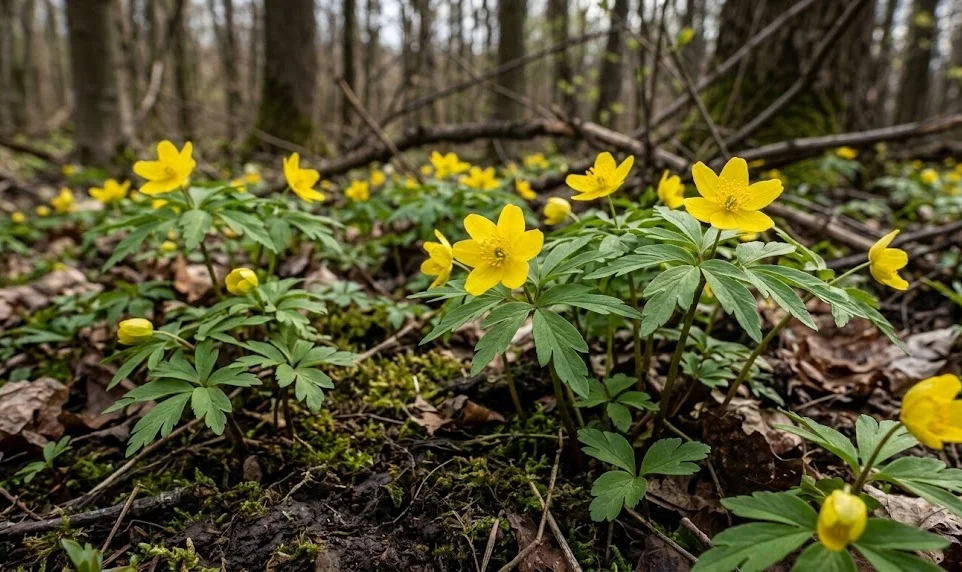

The light requirements of the yellow wood anemone are deeply rooted in its evolutionary history as a woodland floor inhabitant. This species has perfected a strategy of blooming early in the year to take advantage of the sunlight that reaches the ground before the trees develop their leaves. To succeed with this plant in a garden, you must understand the delicate balance between the bright light it needs in spring and the deep shade it requires in summer. Professional placement involves selecting a site that provides this specific seasonal light transition.
In the early spring, the yellow wood anemone craves bright, filtered light to fuel its rapid growth and flower production. This light provides the energy necessary for the plant to complete its entire above-ground lifecycle in just a few short months. Without adequate spring light, the plants may become leggy, produce fewer flowers, and fail to store enough energy for the following year. A location beneath deciduous trees is ideal because it allows maximum light penetration during this critical phase of the plant’s development.
As the season progresses and the temperatures rise, the plant’s relationship with light changes dramatically. The emergence of the forest canopy provides the cooling shade that protects the anemone’s delicate foliage from being scorched by the intense summer sun. This shade is not just a preference but a survival necessity, as the plant is not equipped to handle the high light levels and heat of an open field. Understanding this need for “seasonal shade” is the key to choosing the right spot in your landscape.
Finally, managing the light environment involves ongoing observation of your garden’s changing canopy and structures. Over time, trees may grow larger or be removed, and new buildings can create permanent shadows that weren’t there before. You should periodically assess the light levels in your anemone patch to ensure they still meet the plant’s biological needs. By prioritizing the correct light exposure, you ensure that your yellow wood anemones remain a healthy and vibrant part of your spring garden.
Mimicking the forest canopy
The golden rule for lighting the yellow wood anemone is to mimic the light patterns of a deciduous forest. This means the plant should be bathed in bright, dappled sunlight during March and April when the trees above are still bare. This intense but filtered light stimulates the rhizomes to send up their shoots and triggers the opening of the beautiful yellow blossoms. A professional gardener looks for spots near the edge of a wooded area or under a large, high-branched tree for the best results.
More articles on this topic
Evergreen trees, such as pines or spruces, are generally not the best companions for the yellow wood anemone because they provide year-round shade. This permanent shade can prevent the ground from warming up early enough in the spring and limit the light available for photosynthesis. While the anemones might survive in these conditions, they will rarely thrive or spread with the same vigor as those grown under deciduous cover. If you must plant near evergreens, try to choose the sunniest side where some direct morning light can reach the ground.
The quality of the light is just as important as the quantity, with dappled or “filtered” light being the most beneficial. Direct, unobstructed sunlight can be too harsh even in the spring, potentially causing the flowers to fade prematurely or the leaves to wilt. The moving shadows created by tree branches provide a dynamic light environment that prevents the soil from overheating while still delivering plenty of energy. This “shifting light” is the secret to the long-lasting and vibrant blooms seen in the best woodland gardens.
In urban or smaller gardens without large trees, you can create a similar effect using man-made structures or other plants. Pergolas with light latticework or even the shadow cast by a north-facing wall can provide the necessary protection. You can also use tall, late-emerging perennials like Joe Pye Weed or large ferns to provide shade for the anemones as the summer approaches. The goal is always to provide that crucial transition from bright spring light to cool summer shade.
Direct sun vs dappled shade
While the yellow wood anemone needs light, it is strictly not a full-sun plant and should never be placed in a south-facing, open border. Direct midday sun, especially as the spring turns into summer, will quickly dry out the soil and burn the delicate foliage. If forced to grow in full sun, the plant will enter dormancy much earlier than usual, which shortens its energy-gathering period and weakens the rhizome. You will notice the leaves turning brown at the edges and the flowers looking shriveled if the light is too intense.
More articles on this topic
Dappled shade, on the other hand, provides the perfect environment for the plant to take its time through its lifecycle. This type of light allows the soil to remain cool and moist for longer, which is essential for the health of the spreading rhizomes. Under dappled shade, the yellow wood anemone will often keep its green leaves well into the early summer, giving it more time to store carbohydrates. Professional landscaping designs always prioritize these “soft light” areas for woodland species to ensure their long-term success.
There is a small exception for gardens in very cool, northern climates where the sun is less intense than in the south. In these regions, the yellow wood anemone may tolerate a bit more direct morning sun, provided the soil is kept consistently damp. However, even in the north, some protection from the afternoon sun is highly recommended to prevent heat stress. Always monitor your plants during the first year to see how they respond to your specific light conditions and be prepared to move them if they show signs of struggle.
If you find that your anemones are growing in a spot that has become too sunny, there are professional ways to fix the problem without moving the plants. Adding a temporary shade cloth during the hottest part of the day can provide immediate relief during a heatwave. You could also plant a small, fast-growing deciduous shrub nearby to provide more permanent shade in the coming years. Being proactive about light management shows a deep commitment to the health and beauty of your garden.
Seasonal light variations
Managing the light requirements of the yellow wood anemone requires a year-round perspective on your garden’s layout. In the winter and very early spring, the angle of the sun is lower, and shadows are much longer than they are in the summer. You should observe where the sun falls on your garden during these months to find the “hot spots” that will wake up your anemones earliest. These early-warming areas often produce the first flowers of the season, extending your garden’s period of interest.
As the summer solstice approaches, the sun moves much higher in the sky, and its rays become significantly more powerful. This is the time when the protection provided by the tree canopy or other shade structures becomes most critical for the anemones. Even if a spot seems perfectly shaded in April, it might be exposed to harsh light in June as the sun’s path changes. A professional gardener checks their shade garden’s performance at various points during the year to ensure consistent protection.
The duration of light also plays a role in the plant’s development, with longer days in the spring acting as a signal for various biological processes. The yellow wood anemone is finely tuned to the changing day lengths of the northern hemisphere, using them to time its flowering and dormancy. By providing a natural light environment, you allow the plant to follow its internal clock without the stress of artificial light or incorrect exposure. This synchronization with the seasons is part of what makes woodland gardening so rewarding and beautiful.
Finally, consider the impact of light on the aesthetic appeal of your yellow wood anemone patch. These bright yellow flowers literally glow in the soft, diffused light of a shaded garden, creating a focal point that draws the eye. In harsh, direct light, the color can look washed out and the intricate details of the petals are harder to appreciate. By mastering the light requirements of this species, you not only ensure its health but also maximize its visual impact in your landscape.