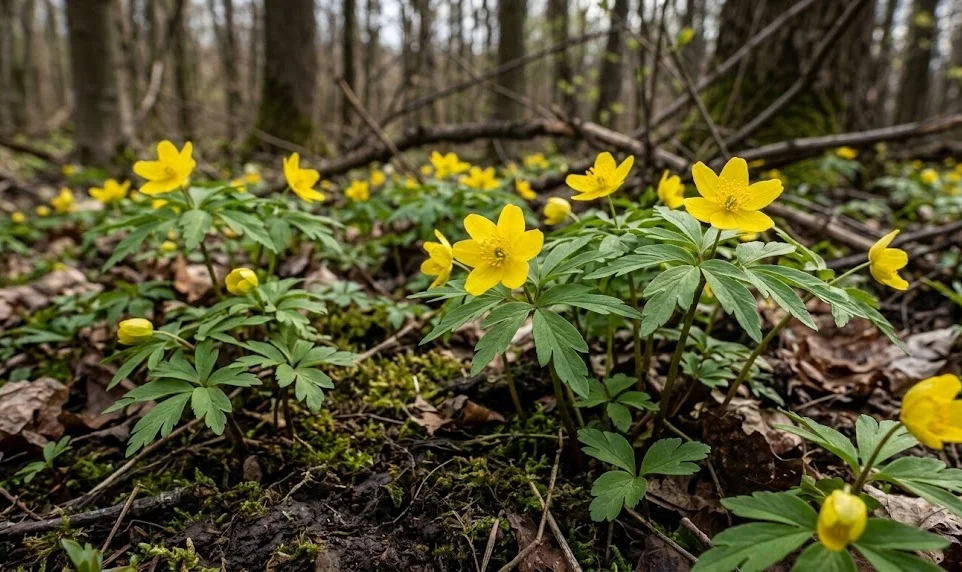

The care of the yellow wood anemone requires a deep understanding of its natural woodland habitat to ensure it thrives in a garden setting. This delicate spring ephemeral brings a vibrant splash of gold to shaded areas long before most other perennials begin their active growth cycle. Successful cultivation relies on mimicking the cool, moist, and nutrient-rich conditions found beneath deciduous forest canopies. By prioritizing soil health and moisture consistency, you can create an environment where these plants naturally spread and colonize beautifully.
Establishing a consistent maintenance routine is the first step toward a healthy and long-lived colony of these woodland wonders. You should monitor the soil moisture levels closely during the early spring months when the plant is most active. Since the plant enters a period of dormancy during the heat of summer, your care focus will shift depending on the time of year. Understanding this lifecycle is essential for any professional gardener looking to integrate this species into a sustainable landscape design.
Proper site management involves more than just planting; it requires ongoing observation of how the plant interacts with its microclimate. You must ensure that the area remains undisturbed during the summer months when the foliage has completely died back. Marking the location of the dormant rhizomes will prevent accidental damage during other gardening activities like weeding or planting. A well-cared-for patch will reward you with an increasingly dense carpet of yellow blooms every subsequent spring.
Consistency in environmental conditions is the secret to maintaining the vigor of the yellow wood anemone over many seasons. High-quality care practices include regular soil assessment and the occasional addition of organic matter to maintain fertility. While these plants are relatively low-maintenance once established, they do not respond well to extreme fluctuations in their environment. Your goal should be to provide a stable and nurturing habitat that respects the unique biological needs of this early-blooming species.
Establishing the ideal soil environment
The foundation of expert care for these plants begins with the physical and chemical composition of the growing medium. You should aim for a soil structure that is rich in humus and has a loose, friable texture. This mimics the leaf mold found on the forest floor, which provides the perfect balance of drainage and moisture retention. Avoiding heavy clay or overly sandy soils will prevent the most common growth issues associated with this species.
More articles on this topic
Testing the soil pH is a professional step that ensures the plant can access all necessary nutrients efficiently. These anemones prefer slightly acidic to neutral soil, typically within the range of 6.0 to 7.0 for optimal health. If your soil is too alkaline, you might notice a yellowing of the leaves or stunted flower production. Amending the area with well-rotted leaf mold or compost can help steer the pH in the right direction.
Soil aeration is another critical factor that influences the spread and health of the underground rhizomes. Compaction can lead to poor root development and may even cause the rhizomes to rot during wet periods. You should avoid stepping on the planting beds, especially when the soil is wet, to maintain a light and airy structure. Incorporating coarse organic matter during initial preparation will help maintain this openness for many years to come.
Nutrient availability must be sustained without the use of harsh, fast-acting synthetic chemicals that can disrupt soil biology. A layer of organic mulch serves a dual purpose by providing slow-release nutrients and suppressing weed growth simultaneously. As this material breaks down, it feeds the complex network of fungi and bacteria that support plant health. This holistic approach to soil management ensures that your yellow wood anemones have a robust support system.
Seasonal maintenance and monitoring
Spring is the peak period for activity, and your care schedule should reflect this surge in biological demand. As the first green shoots appear, you should check for any debris that might be obstructing their path to the light. Keeping the area clear of heavy, matted leaves from the previous autumn allows the delicate flowers to emerge without distortion. Early spring is also the best time to apply a very light top-dressing of fine compost.
More articles on this topic
As the flowers fade and the weather begins to warm, the plant transitions into its leaf-building and energy-storage phase. During this time, it is vital to keep the foliage intact and healthy for as long as possible. The leaves are hard at work photosynthesizing and sending carbohydrates down to the rhizomes for next year’s bloom. You should resist the urge to tidy up the garden by removing the leaves until they have turned completely yellow and dry.
The onset of summer dormancy marks a shift in your care duties from active maintenance to passive protection. Once the foliage disappears, the plant is essentially invisible above ground, but the rhizome remains alive and vulnerable. You should ensure the area remains cool and does not bake in the intense summer sun, which can dehydrate the resting roots. Applying a fresh layer of mulch in early summer can provide the necessary insulation to keep the soil temperature stable.
Autumn care focuses on preparing the site for the upcoming winter and the subsequent spring growth. This is the ideal time to add a thick layer of deciduous leaves over the planting area to simulate a natural forest floor. This leaf litter acts as a blanket, protecting the soil from deep freezes and providing a fresh source of humus. By planning ahead in the fall, you ensure that the spring emergence is as vigorous and spectacular as possible.
Managing companion plants and competition
Selecting the right neighbors for your yellow wood anemone is a hallmark of professional garden design and care. You should choose companion plants that share similar cultural requirements but do not overwhelm the delicate anemones. Deep-rooted perennials like ferns or hostas make excellent partners because their root systems occupy different soil layers. These larger plants also provide the necessary shade that the anemones crave during the warmer months.
Aggressive groundcovers should be avoided in the immediate vicinity to prevent them from choking out the anemone rhizomes. You want to create a plant community where each species has enough space to thrive without constant intervention. If you notice vigorous weeds or invasive grasses encroaching on the patch, they should be removed promptly by hand. Careful weeding ensures that the anemones do not have to compete for limited water and nutrient resources.
The timing of your companion plants’ growth cycles is just as important as their physical characteristics. Since the yellow wood anemone is a spring ephemeral, it benefits from being paired with plants that emerge later in the season. As the anemone foliage starts to decline and go dormant, the emerging leaves of hostas or hellebores will cover the bare spots. This “succession planting” strategy keeps the garden looking full and vibrant throughout the entire growing season.
Managing competition also means being mindful of the density of your anemone colony itself. Over time, the rhizomes may become so crowded that the flowers begin to decrease in size or number. If you observe a decline in performance after several years, it may be time to thin out the colony. Replanting the extra rhizomes in new areas of the garden allows you to expand your collection while rejuvenating the original patch.
Ensuring long-term plant vitality
To keep your yellow wood anemones healthy for decades, you must take a long-term view of their biological needs. This involves regular soil testing every few years to monitor nutrient levels and pH stability. You should also observe the overall health of the forest canopy if the plants are growing under trees. Changes in the amount of light or the health of the overstory trees will directly impact the performance of the understory anemones.
Water management remains a lifelong priority for anyone caring for this specific woodland species. Even during years with average rainfall, you should be prepared to supplement moisture during unseasonably dry springs. The goal is to prevent the soil from ever drying out completely while the plant is in its active growth phase. Long-term vitality is closely linked to the plant’s ability to store enough energy each year to survive the next.
Pest and disease monitoring should be a routine part of your garden walks throughout the spring months. While generally robust, stressed plants are more susceptible to issues like rust or slug damage. Catching these problems early allows for organic interventions that minimize the impact on the local ecosystem. A healthy, well-sited plant is always your best defense against the various pressures of the natural world.
Finally, professional care involves a commitment to minimal disturbance of the soil and the plant’s root zone. The complex mycelial networks that support woodland plants are easily disrupted by frequent tilling or heavy foot traffic. You should treat the anemone bed as a permanent sanctuary that evolves slowly over time. This patient and respectful approach to gardening results in a self-sustaining colony that becomes a highlight of your landscape every year.
Environmental factors and microclimates
The success of your care routine is often dictated by the specific microclimate of your garden. You should pay attention to how wind and temperature vary across your property to find the most sheltered spots. Cold, drying winds in early spring can damage the emerging flower buds and tender new foliage. Providing a windbreak, such as a hedge or a stone wall, can significantly improve the quality of the spring display.
Temperature fluctuations in the spring can be particularly challenging for early-blooming woodland plants. Late frosts are a common threat that can blacken the flowers and stop the growth process in its tracks. If a hard freeze is predicted after the shoots have emerged, you might consider temporary protection with a light frost cloth. This extra effort can save an entire season’s worth of blooms from being lost to a single cold night.
Humidity levels also play a role in the overall health of the yellow wood anemone’s delicate leaves. In very dry air, the foliage may begin to brown at the edges, indicating that the plant is losing water faster than it can take it up. Planting in groups helps create a more humid local environment through the collective transpiration of the leaves. Maintaining a layer of organic mulch also contributes to a more humid and stable air layer just above the soil surface.
By understanding these environmental nuances, you can tailor your care to the specific needs of your site. No two gardens are exactly alike, and what works in a coastal forest might differ from a high-altitude woodland. You should keep a garden journal to record blooming dates, weather patterns, and the plant’s response to your interventions. This data-driven approach allows you to refine your care techniques and achieve professional-grade results every year.
Professional tips for garden placement
Strategic placement is the final element of a comprehensive care plan for the yellow wood anemone. You should look for areas that naturally accumulate organic matter, such as the base of a gentle slope or a shaded hollow. These spots often stay cooler and moister for longer, providing a natural advantage for woodland species. Proper placement reduces the need for frequent watering and other labor-intensive care tasks later on.
Integrating these plants near walkways or garden benches allows you to appreciate their small, intricate details. Since they are low-growing, they can easily be overlooked if planted too far back in a deep border. You should place them where their bright yellow color can serve as a focal point during the gray days of early spring. Seeing the plants regularly also makes it easier to spot any maintenance needs or potential problems before they become serious.
Consider the visual impact of the yellow wood anemone when it is planted in large, sweeping drifts. This mimics the way they grow in the wild, creating a much more natural and professional appearance than isolated patches. You can achieve this look over time by allowing the plants to self-seed and spread through their rhizomes. Encouraging this natural expansion is a sign of a successful care program that respects the plant’s inherent growth habits.
Finally, think about the backdrop against which the yellow flowers will be viewed. Dark evergreens or the brown trunks of deciduous trees provide a beautiful contrast that makes the gold petals pop. Avoid planting them near light-colored gravel or bright white walls, which can wash out the subtle beauty of the blooms. With careful thought and professional care, the yellow wood anemone will become an indispensable part of your spring garden palette.