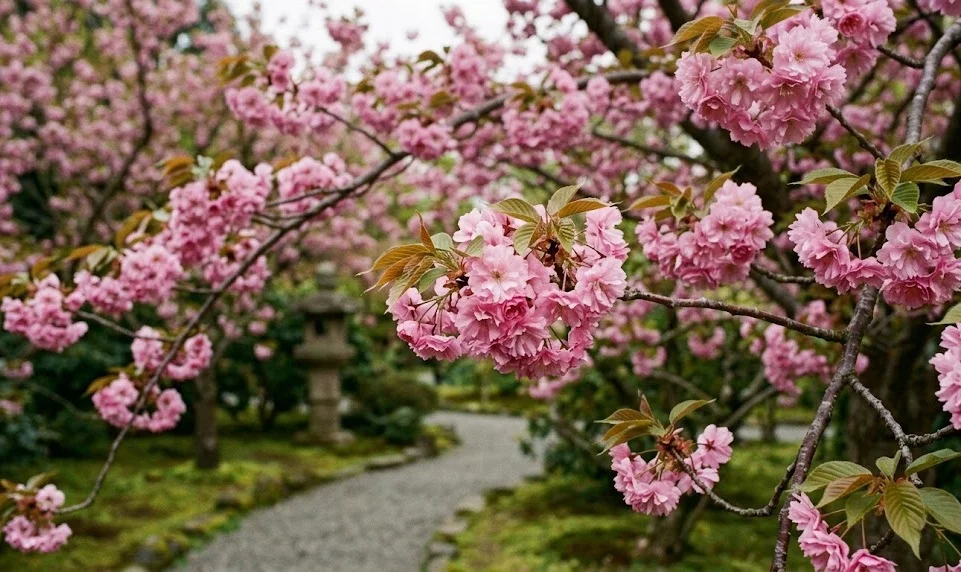

While the Japanese flowering cherry is a resilient and majestic tree, it is susceptible to a variety of biological threats that can compromise its health and beauty. Pests and diseases are a natural part of any ecosystem, but in a garden setting, they require proactive management to prevent significant damage. A professional approach involves early identification, understanding the life cycles of pathogens, and using integrated pest management strategies. This guide provides a detailed look at the most common challenges you may face and the best methods for protecting your prized specimens.
Recognizing and managing fungal leaf diseases
Fungal infections are among the most common issues for Japanese flowering cherries, particularly in regions with high humidity and frequent spring rains. Leaf spot, caused by the fungus Blumeriella jaapii, manifests as small, purple-to-red spots on the leaves that eventually turn brown and fall out, leaving a “shot-hole” appearance. If left untreated, severe infections can cause the tree to drop its leaves prematurely in mid-summer, which significantly weakens the tree over time. Improving air circulation through proper spacing and pruning is the first line of defense against these airborne spores.
Another frequent fungal visitor is powdery mildew, which appears as a white, flour-like dusting on the surface of the leaves and young shoots. While it is rarely fatal, a heavy infection can distort new growth and reduce the tree’s ability to photosynthesize effectively. This fungus thrives in warm, dry days followed by cool, humid nights, making it a common late-summer problem in many climates. You can often manage mild cases by ensuring the tree is well-hydrated and by removing any heavily affected branches to reduce the spore load.
Brown rot is a more serious fungal disease that can affect both the blossoms and the developing wood of the tree. It typically starts during the flowering period, causing the blossoms to turn brown and wither but remain attached to the branch. The fungus can then travel into the twigs, creating small cankers that can eventually girdle and kill the tips of the branches. Sanitation is critical here; you must remove and destroy any infected blossoms or twigs as soon as they are spotted to prevent the disease from spreading further.
To manage these fungal threats professionally, you should always focus on preventative cultural practices before turning to chemical solutions. Clearing away fallen leaves in the autumn is essential, as many of these fungi overwinter in the leaf litter at the base of the tree. If you must use fungicides, ensure they are applied at the correct time, usually just as the buds begin to swell in early spring. Always follow the label instructions precisely to ensure the safety of the tree and the surrounding environment while achieving the best possible results.
More articles on this topic
Bacterial canker and its serious implications
Bacterial canker, often caused by Pseudomonas syringae, is one of the most challenging and potentially destructive diseases for any member of the Prunus genus. It is characterized by the appearance of sunken, oozing sores on the trunk and branches, often accompanied by a sour or fermented smell. During the spring, you may notice that entire branches fail to leaf out or suddenly wilt and die shortly after the blossoms have faded. This disease is particularly opportunistic, entering the tree through wounds caused by pruning, frost damage, or insect activity.
Management of bacterial canker requires a combination of surgical precision and careful timing to prevent further spread. Any infected branches should be pruned back to healthy wood, ideally during the dry summer months when the bacteria are less active. It is absolutely vital to sterilize your pruning tools with alcohol or a bleach solution between every single cut to avoid moving the bacteria to healthy parts of the tree. In cases where the main trunk is heavily affected, the long-term prognosis for the tree may be poor, and removal might be the only option to protect other nearby trees.
Environmental stress is a major factor in the severity of bacterial canker outbreaks, so keeping your tree healthy is the best prevention. Trees that are stressed by drought, poor drainage, or nutrient deficiencies are much more likely to succumb to the infection. Providing consistent water and avoiding heavy late-season fertilization can help the tree build the natural defenses it needs to resist the bacteria. You should also be careful not to damage the bark with lawnmowers or string trimmers, as these wounds provide the perfect entry point for pathogens.
In some professional settings, copper-based sprays are used in the late autumn and early spring to provide a protective barrier on the bark. These treatments can help reduce the population of bacteria living on the surface of the tree before they have a chance to enter the vascular system. However, chemical control is only a supplement to good cultural care and is rarely a cure on its own once the disease is established. Monitoring your tree regularly for the first signs of oozing or sunken bark is the key to managing this difficult disease effectively.
More articles on this topic
Common insect pests and their control
Aphids are perhaps the most ubiquitous pest you will encounter on a Japanese flowering cherry, often appearing in large numbers on the tender new growth in spring. These tiny, sap-sucking insects can cause the leaves to curl and become distorted, and they also excrete a sticky substance known as honeydew. This honeydew often leads to the growth of sooty mold, which is a black, unsightly fungus that can cover the leaves and block sunlight. While a small number of aphids is usually not a concern, a major infestation can sap the tree’s energy and ruin its aesthetic appeal.
Scale insects are another group of pests that can go unnoticed until they have built up a significant population on the branches. These insects hide under protective, waxy shells that look like small bumps or scales on the bark, making them very difficult to reach with standard contact insecticides. They feed by sucking the life-giving juices directly from the tree’s vascular system, leading to yellowing leaves and branch dieback over time. Managing scale often involves the use of horticultural oils applied during the dormant season to suffocate the overwintering insects.
Spider mites are a common problem during hot, dry summer weather when their natural predators are less active. These microscopic pests live on the undersides of the leaves, spinning fine webs and causing a characteristic “stippling” or speckled appearance on the foliage. If left unchecked, a severe mite infestation can cause the leaves to turn bronze and fall off prematurely, leaving the tree vulnerable to sunscald. Keeping the tree well-watered and occasionally rinsing the foliage with a strong stream of water can help keep mite populations under control.
Borers are among the most dangerous insect pests, as their larvae tunnel into the wood of the trunk and branches, disrupting the flow of water and nutrients. You may see small holes in the bark, sawdust-like material (frass) at the base of the tree, or sap oozing from the entry points. Healthy, vigorous trees are usually able to defend themselves against borers, but stressed or damaged trees are highly attractive to the egg-laying adults. Professional management focuses on maintaining tree vigor and using targeted treatments if a specific borer threat is identified in your local area.
Integrated pest management strategies
Integrated Pest Management (IPM) is the professional standard for dealing with the various threats to your Japanese flowering cherry. This approach prioritizes biological and cultural controls over chemical interventions, using pesticides only as a last resort and with surgical precision. The first step in any IPM program is regular scouting, which involves inspecting your trees at least once a week during the growing season. By catching a pest or disease in its earliest stages, you can often manage it with simple, non-toxic methods before it becomes a crisis.
Encouraging natural predators is a key component of a successful IPM strategy in the garden. Ladybugs, lacewings, and parasitic wasps are all highly effective at controlling populations of aphids, scales, and mites. You can attract these beneficial insects by planting a variety of flowering perennials and avoiding the use of broad-spectrum insecticides that kill the “good bugs” along with the “bad bugs.” A healthy garden ecosystem is much more resilient and requires far less human intervention to maintain its balance.
Sanitation is another critical element of the professional approach to tree health and disease prevention. This includes not only removing fallen leaves but also properly disposing of any diseased wood that has been pruned from the tree. You should never compost materials that are infected with serious pathogens like bacterial canker or brown rot, as the spores can survive the composting process. Burning or hauling away infected debris ensures that the life cycle of the pathogen is broken and cannot re-infect your trees the following year.
When a chemical treatment is deemed necessary, choosing the right product and applying it at the correct time is essential for success. You should always identify the specific pest or pathogen first, rather than using a general-purpose spray that might not be effective for your specific problem. Many modern treatments are highly targeted, minimizing the impact on non-target organisms and the environment. Consulting with a local extension office or a certified arborist can provide you with the most up-to-date and environmentally responsible recommendations for your region.
Long-term health and resilience
The ultimate goal of any pest and disease management program is to build the long-term resilience of the Japanese flowering cherry. A tree that is growing in the right location, receiving the correct amount of water, and fueled by balanced nutrition is naturally more resistant to most threats. Stress is the primary factor that opens the door to infections and infestations, so a “health-first” mentality is the most professional way to garden. Every care task you perform, from mulching to watering, is a step toward making your tree more capable of defending itself.
Developing a deep understanding of the specific environment of your garden will help you anticipate which threats are most likely to appear. For example, if you live in a rainy climate, you should be especially vigilant about fungal leaf spots and root rot issues. If your region is prone to summer droughts, then spider mites and borers might be your primary concerns during the hottest months. Tailoring your monitoring and care routine to your local conditions is a hallmark of an expert gardener who truly understands their landscape.
Documentation is an often-overlooked part of professional tree care, but it can be incredibly valuable over the lifespan of a tree. Keeping a record of when certain pests appeared, what treatments were used, and how the tree responded allows you to refine your approach year after year. You may notice patterns, such as a particular fungal spot appearing after every heavy spring rain, which can help you time your preventative measures more effectively. A well-kept garden log transforms anecdotal observations into a powerful tool for scientific management.
Finally, remember that perfection is not always the goal in a living, breathing garden. A few spots on a leaf or a small colony of aphids are often part of a healthy ecosystem and do not require drastic action. The key is to distinguish between minor aesthetic imperfections and serious threats to the tree’s structural integrity or life. By focusing your energy on the most significant issues while maintaining a high baseline of cultural care, you will ensure that your Japanese flowering cherry thrives for many decades to come.