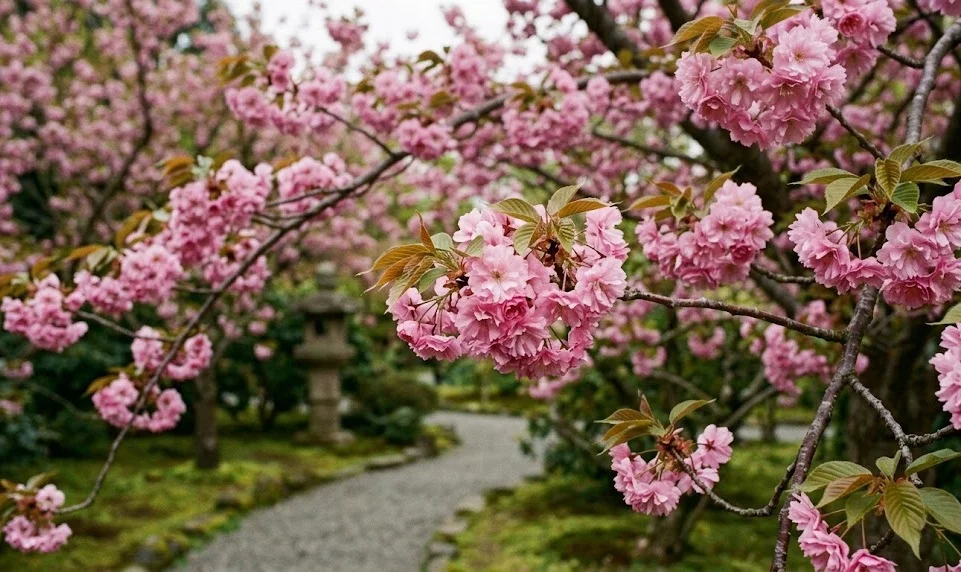

The relationship between the Japanese flowering cherry and sunlight is the fundamental driver of its spectacular floral performance and overall structural vigor. As photosynthetic organisms, these trees rely on light not only for energy but also as a primary signal for the timing of their various life stages. Achieving the perfect balance of light exposure is a critical aspect of site selection and long-term maintenance for any professional gardener. This article examines the specific light needs of these ornamental icons and how to manage their environment for maximum aesthetic impact.
The role of full sun in blossom production
For a Japanese flowering cherry to reach its full potential, it must be planted in a location that receives full sun for the majority of the day. In horticultural terms, “full sun” typically means at least six to eight hours of direct, unfiltered sunlight during the peak of the growing season. This high level of light is essential for the tree to produce the massive amounts of carbohydrates needed to sustain its dense clusters of blossoms. Without sufficient light, the flowering will be sparse, the colors will be less vibrant, and the overall display will be significantly shortened.
The quality of the sunlight also matters, with morning sun being particularly beneficial for the health of the foliage. Morning light helps to quickly evaporate the dew that settles on the leaves overnight, which is a major factor in preventing the development of fungal diseases. A tree that receives strong morning light followed by steady sun throughout the afternoon is in the best position to remain healthy and productive. If a tree is shaded for a significant portion of the morning, you may need to be more vigilant about monitoring for leaf spots and mildews.
Light also plays a crucial role in the development of the flower buds that will open in the following spring. These buds are actually formed during the previous summer, and the process requires a significant investment of photosynthetic energy. If the tree is growing in a shaded environment during the summer months, it may not be able to set a full crop of flower buds for the next year. This is why a cherry tree that was once a prolific bloomer might start to decline if surrounding trees have grown tall enough to cast it into deep shade.
In addition to quantity, the intensity of the light can affect the specific shade of the blossoms in some varieties. For certain cultivars, more intense light can lead to a deeper pink coloration, while more shaded conditions might result in a paler, almost white appearance. Understanding this nuance allows a professional designer to place trees where they will achieve the exact visual effect desired for the landscape. Light is the “master regulator” that dictates both the health of the tree and the beauty of its performance.
More articles on this topic
Managing shade and competition
While the Japanese flowering cherry craves the sun, it can tolerate a very small amount of light shade, particularly in extremely hot climates. In regions where summer temperatures frequently soar, a bit of protection from the intense late-afternoon sun can help prevent leaf scorch and heat stress. However, this is a delicate balance, as too much shade will quickly lead to a thin, “leggy” growth habit and poor flowering. If you must plant in a less-than-ideal spot, choose a location with high, filtered shade rather than deep, solid shadow.
Competition for light from larger, established trees is one of the most common reasons for the decline of ornamental cherries in older gardens. As the canopy of the garden closes in, the cherry tree may find itself struggling for the few patches of sunlight that filter through. You can manage this to some degree by selectively thinning the branches of overhanging trees to allow more light to reach the lower-growing cherry. This professional technique, known as “crown thinning,” can breathe new life into a shaded tree without the need for drastic removals.
The orientation of the tree relative to buildings and other structures also dictates its light environment throughout the four seasons. A tree planted on the north side of a tall house may receive plenty of sun in the summer but find itself in deep shade for the entire winter. While the tree is dormant in the winter, this lack of sun can keep the soil colder for longer, potentially delaying the spring bloom. Conversely, a southern exposure provides the most consistent light but also the highest risk of the freeze-thaw issues mentioned in winter care.
When planting multiple cherry trees together, spacing is essential to ensure that they do not shade each other out as they mature. You should research the expected mature width of the specific variety and provide enough room for each canopy to receive full light on all sides. Proper spacing not only maximizes light exposure but also ensures good air circulation, which is the other key component of a healthy garden environment. A professional planting plan always takes into account the three-dimensional growth of the trees over several decades.
More articles on this topic
Light intensity and leaf health
The leaves of a Japanese flowering cherry are its primary energy-collecting organs, and their health is directly tied to the light they receive. In a full-sun environment, the leaves are typically thicker, darker, and more resilient to environmental stressors. In shaded conditions, the leaves often become thinner and larger as the tree attempts to maximize its surface area to catch what little light is available. These “shade leaves” are much more delicate and are often the first to suffer when exposed to sudden changes in wind or temperature.
Photo-protection is a natural mechanism where the tree adjusts its leaf orientation or produces protective pigments to handle intense radiation. During the hottest part of the summer, you might notice the leaves of your cherry tree turning slightly away from the direct sun. This is a sign that the tree is managing its internal temperature and preventing damage to the sensitive photosynthetic machinery within the cells. Providing adequate water during these high-light periods is essential to support these natural cooling and protective processes.
Conversely, a sudden increase in light exposure can be just as stressful for a tree as a lack of light. If you heavily prune a neighboring tree and suddenly expose a previously shaded cherry to full sun, the leaves may suffer from “sunburn.” This appears as white or brown patches on the foliage where the tissue has literally been cooked by the intense light. When making significant changes to the light environment, it is best to do so gradually if possible, or to provide temporary light shade while the tree acclimates.
Ultimately, the goal of managing light for a Japanese flowering cherry is to provide a stable, bright environment that fuels its growth without causing excessive stress. By observing how the light moves through your garden and how your tree responds to it, you can make informed decisions about pruning and placement. A professional gardener sees light as a dynamic resource that must be managed with care to ensure the longevity and beauty of every tree in the landscape. Understanding these light requirements is the key to unlocking the full, majestic potential of the Japanese flowering cherry.

