
Scarlet runner beans are generally vigorous plants, but they can still suffer from diseases and pests when growing conditions are stressful or hygiene is poor. Most problems become serious when plants are crowded, drought-stressed, overwatered, or grown repeatedly in the same soil. Early recognition is important because small outbreaks are easier to manage than established infestations. Healthy soil, strong airflow, crop rotation, and careful watering form the first line of defense.
The most common problems on scarlet runner beans affect leaves, roots, flowers, and pods. Symptoms may include spotting, yellowing, wilting, distorted growth, holes in foliage, or damaged seedlings. Correct identification matters because different issues require different responses. Treating every symptom with a spray is rarely the best approach.
Prevention is especially important in edible crops. Gardeners should prioritize cultural control methods such as spacing, sanitation, resistant varieties when available, and balanced watering. Chemical intervention should be a last resort and must always follow local regulations and product labels. Many gardens can manage runner bean problems without routine pesticide use.
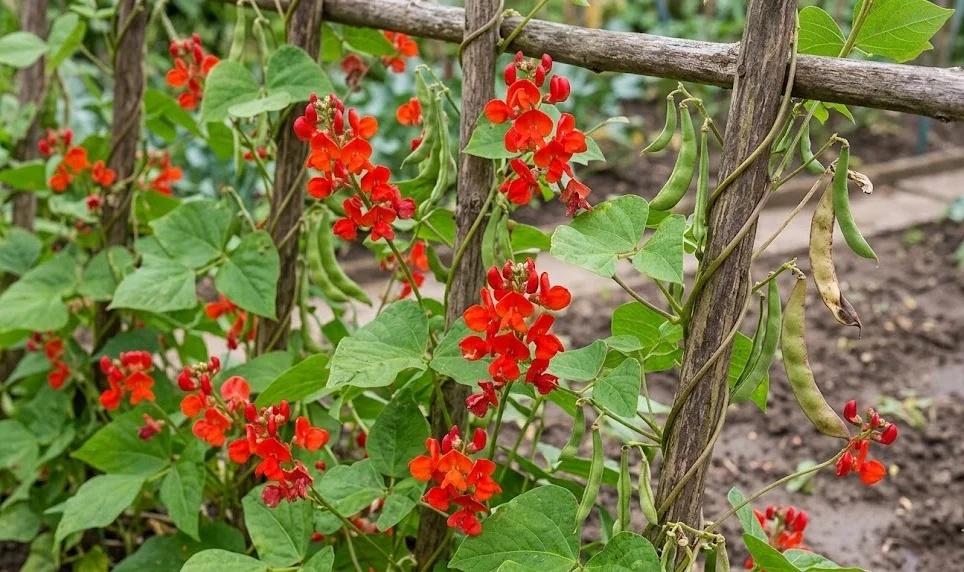
The plant’s climbing habit can reduce some disease risk if it is supported properly. Vines kept off the ground dry faster and are easier to inspect. Pods are also cleaner and less likely to be attacked by soil-dwelling pests. Good support is therefore both a productivity tool and a plant health measure.
Fungal and bacterial diseases
Fungal leaf spots can appear during humid, wet, or overcrowded conditions. They often begin as small spots that expand or merge as the infection develops. Lower leaves may be affected first because they dry more slowly. Removing badly infected leaves and improving airflow can slow spread.
More articles on this topic
Rust may appear as orange-brown pustules on leaves, especially later in the season. Affected leaves can yellow, weaken, and drop prematurely. Rust is encouraged by damp foliage and dense growth. Watering at soil level and avoiding overhead irrigation help reduce risk.
Bacterial diseases can cause water-soaked spots, blighting, and pod blemishes. These problems are often spread by splashing water, contaminated seed, tools, or handling wet plants. Working among beans when foliage is wet can increase transmission. Removing infected material and improving hygiene are important responses.
Fungicides or bactericides are not always effective once disease is well established. Prevention and early action usually produce better results. In small gardens, removing infected leaves, increasing spacing, and rotating crops may be enough. Severely diseased plants should be removed to protect the rest of the crop.
Root problems and soil-borne issues
Root rot is usually associated with cold, wet, compacted, or poorly drained soil. Seeds may fail to germinate, seedlings may collapse, or established plants may wilt despite moist soil. Roots affected by rot often appear brown, soft, or poorly developed. Improving drainage is more effective than trying to rescue badly damaged plants.
More articles on this topic
Damping-off can kill young seedlings before or shortly after emergence. It is common when seeds are sown too early into cold, wet conditions. Indoor seedlings can also suffer if compost is waterlogged or air movement is poor. Clean containers, fresh seed compost, and careful watering reduce the risk.
Soil compaction can mimic disease by restricting roots and reducing oxygen. Plants may look stunted, pale, or drought-stressed even when water is present. Loosening the bed before planting and avoiding foot traffic around roots helps prevent this problem. Raised beds can be useful in heavy soils.
Crop rotation is one of the best defenses against soil-borne disease. Avoid growing beans and related legumes in the same place year after year. Rotation reduces the buildup of pathogens and pest populations. It also helps maintain a more balanced soil nutrient profile.
Common insect pests
Black bean aphids and other aphids may cluster on young shoots, flower stems, and undersides of leaves. They suck sap, distort growth, and excrete sticky honeydew. Small colonies can often be removed by hand or with a strong jet of water. Ladybirds, lacewings, hoverfly larvae, and parasitic wasps often provide natural control.
Spider mites can become troublesome in hot, dry conditions. They cause fine speckling on leaves and may produce delicate webbing. Plants under drought stress are more vulnerable. Increasing humidity around plants through proper watering and reducing heat stress can help, although foliage should not be kept wet overnight.
Bean seed flies and other soil pests may damage germinating seeds or young seedlings. Poor germination is sometimes blamed on bad seed when pests or cold wet soil are responsible. Starting seeds indoors can avoid some early losses. Outdoor sowings may need protection in problem areas.
Thrips can damage flowers and young leaves, causing streaking, distortion, or reduced flower quality. Their impact is often worse in dry conditions or enclosed spaces. Encouraging beneficial insects and avoiding unnecessary insecticides helps maintain natural control. Severe infestations may require targeted action with a product approved for edible crops.
Slugs, snails, birds, and larger pests
Slugs and snails are major threats to young scarlet runner bean seedlings. They can remove emerging shoots overnight, leaving only stubs or missing plants. Barriers, traps, evening hand-picking, and habitat management can all reduce damage. Seedlings grown indoors and transplanted at a stronger stage are often more resistant.
Birds may pull up seedlings or damage tender growth. This is particularly common when seeds are newly sown or seedlings are just emerging. Temporary netting or mesh can protect the crop until plants are established. Netting must be secured safely so birds and wildlife do not become trapped.
Rodents can dig up and eat large bean seeds. If this is a recurring problem, indoor sowing may be the most reliable solution. Firming soil after sowing and using protective covers can also help. Good garden hygiene reduces hiding places and food sources for rodents.
Deer, rabbits, and other browsing animals may damage leaves and shoots in exposed gardens. Once the main growing point is removed, young plants can be set back severely. Fencing is the most dependable control where browsing pressure is high. Repellents may help temporarily but rarely provide complete protection.
Integrated pest and disease management
Integrated management begins with strong plants. Well-spaced beans in fertile, well-drained soil are less vulnerable than stressed plants in crowded beds. Proper watering and balanced feeding reduce many secondary problems. Healthy plants can often tolerate minor pest presence without serious yield loss.
Regular inspection is essential. Leaves, shoots, flowers, and pods should be checked several times a week during active growth. Early aphid colonies, slug damage, or disease spots can be managed before they spread. Harvesting regularly also gives an opportunity to examine the crop closely.
Garden biodiversity supports natural pest control. Flowering herbs, annual flowers, and mixed borders attract predators and pollinators. Avoiding broad-spectrum insecticides protects these beneficial organisms. A living garden is more stable than one managed by repeated emergency treatments.
At the end of the season, sanitation reduces future risk. Remove diseased vines, fallen pods, and heavily infested material from the growing area. Clean supports before storing them. Rotation, compost management, and careful seed selection complete the cycle of preventive care.