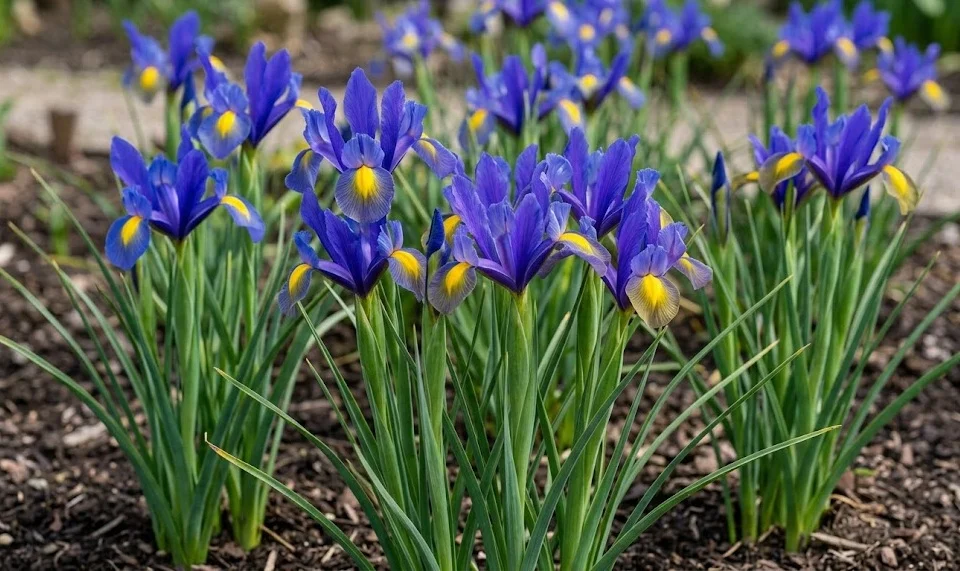

Understanding the profound impact of electromagnetic radiation on the physiological development of these plants is critical for maximizing horticultural output. Light acts as the primary biological engine, driving the complex photosynthetic processes that manufacture the essential carbohydrates required for aggressive growth. Professional cultivators precisely manage sun exposure to manipulate stalk height, regulate the exact timing of anthesis, and intensify floral pigmentation. Mastering the highly specific light requirements guarantees that the developing specimens reach their absolute maximum ornamental potential without experiencing detrimental solar stress.
These specific cultivars are fundamentally categorized as obligate full-sun perennials, demanding massive amounts of direct, unhindered solar radiation daily. The sheer volume of energy required to construct the tall, thick stalks and large, intricate blossoms is biologically immense. Inadequate light levels immediately trigger a cascade of negative physiological responses, beginning with dangerously weak, overly elongated vegetative growth. Ensuring prime, unobstructed real estate within the localized agricultural layout is the absolute first step toward guaranteeing a successful harvest.
The specific angle and seasonal intensity of the incoming light dramatically influence the precise developmental trajectory of the plant. In the highly active early spring, the intense, direct rays rapidly warm the surrounding earth, triggering the initial, explosive vertical growth phase. As the season progresses, sustained, high-intensity exposure is absolutely mandatory for the complex internal formation of the actual floral buds. Recognizing how the changing solar arc affects the localized microclimate allows growers to highly optimize their specific planting locations.
While demanding intense radiation, these organisms also possess highly specific, built-in biological limits regarding thermal solar stress. In regions characterized by exceptionally brutal, searing late-spring heat, continuous afternoon exposure can actually scorch the delicate petal tissues. Understanding this delicate balance between necessary photosynthetic energy and destructive thermal overload is the hallmark of a master cultivator. Strategic management often involves utilizing highly specific, temporary architectural shading techniques to perfectly temper the harshest environmental extremes.
Maximizing direct sunlight exposure
To achieve optimal, professional-grade development, these plants mandate a strict minimum of six to eight hours of direct, unobstructed sunlight daily. This intense exposure is absolutely critical for fueling the massive energy demands of the rapidly expanding root and shoot systems. Planting locations must be meticulously surveyed prior to installation to guarantee they remain entirely free from the shadows of nearby structures. Even minor, seemingly insignificant shading from distant tree lines can drastically reduce the overall volume and quality of the final harvest.
More articles on this topic
The morning hours provide the most highly valued, photosynthetically efficient spectrum of sunlight for these specific bulbous crops. Early sunlight rapidly evaporates the heavy, dangerous overnight dew from the localized foliage, practically eliminating the threat of aggressive fungal colonization. This specific morning radiation initiates the daily photosynthetic cycle without subjecting the plant to the intense, damaging thermal stress of the afternoon. Optimizing eastward-facing exposures ensures the plants receive this absolute premium, highly activating solar energy exactly when they need it most.
When cultivating in highly condensed, densely packed commercial rows, precise spatial geometry is essential to maximize light penetration. If the rows are oriented incorrectly or the individual plants are spaced too tightly, they will inevitably begin to shade themselves. This internal canopy shading leads to severely stunted lower foliage and drastically reduced, physically inferior bloom production on the interior specimens. Implementing a calculated, north-to-south row orientation guarantees that every single plant receives completely uniform, highly maximized solar exposure throughout the day.
Lack of sufficient direct sunlight manifests visually through a highly specific, easily identifiable physiological condition known technically as etiolation. The stems become dangerously thin, completely pale, and physically stretch frantically toward whatever weak light source is available. These severely etiolated stalks are structurally compromised and will absolutely collapse under the ultimate weight of the developing bud. Immediate relocation to a highly optimized, full-sun environment is the only viable solution to correct this catastrophic lack of energy.
Adapting to partial shade
While categorically designated as full-sun specimens, highly specific microclimates can occasionally necessitate a heavily modified approach to light management. In geographic regions possessing exceptionally intense, highly degrading ultraviolet radiation, a calculated degree of partial shade can actually become highly beneficial. This specialized technique requires immense precision to ensure the plant still receives enough base energy to initiate the complex blooming sequence. The overarching goal is to completely filter the most destructive, searing rays while still allowing massive volumes of bright, ambient light.
More articles on this topic
The concept of “dappled sunlight,” generated by planting under the high, open canopy of deeply rooted deciduous trees, provides an ideal compromise. This highly dynamic, shifting light environment protects the incredibly sensitive, newly opened blossoms from the direct, blistering heat of the midday sun. Consequently, the highly valued ornamental lifespan of the individual flowers is frequently extended by several crucial days. However, the grower must remain highly vigilant to ensure the tree canopy does not eventually become too dense and completely block the sun.
When utilizing partial shade strategies, cultivators must fully accept and plan for slightly delayed, completely altered blooming schedules. Plants grown outside of absolute full-sun conditions will naturally require significantly more time to gather the massive energy reserves necessary for anthesis. The resulting stalks may also naturally develop slightly taller as the plant physically reaches upward to intercept more of the available filtered light. This entirely predictable delay can actually be utilized strategically to forcefully stagger a commercial harvest over a much longer, highly profitable duration.
Managing the soil moisture in partially shaded, heavily filtered environments requires a completely modified, highly conservative irrigation protocol. Because the localized ambient temperatures are lower and direct solar evaporation is drastically reduced, the earth naturally retains moisture much longer. Continuing a heavy, full-sun watering schedule in these cooler, shaded zones guarantees the rapid onset of lethal, subterranean fungal rot. Absolute precise, highly monitored moisture control is the strict, non-negotiable prerequisite for successfully cultivating these species outside of ideal lighting conditions.
Light influence on pigmentation
The specific intensity and duration of solar exposure completely dictate the ultimate depth, vibrancy, and uniform saturation of the floral pigmentation. The complex biochemical pathways responsible for manufacturing the striking blue, purple, and yellow anthocyanins are entirely driven by intense light energy. Plants deprived of optimal radiation will inevitably produce visually inferior, highly washed-out blossoms that completely lack the desired commercial brilliance. Providing massive, unhindered sunlight guarantees the highest possible concentration of these crucial, highly sought-after pigment molecules.
Conversely, excessive, searing radiation combined with extreme ambient heat can trigger rapid, highly destructive fading of the delicate petals. The intense ultraviolet rays literally bleach the complex chemical pigments immediately after the highly sensitive blossom finally opens. This rapid photo-degradation completely destroys the premium aesthetic value of the flower within hours of its initial, glorious emergence. Cultivators in extreme climates must frequently deploy specialized, highly engineered UV-filtering shade cloth precisely as the buds begin to crack.
The specific angle of the incoming light also dramatically affects the human visual perception of the floral display. Backlighting, where the early morning sun shines directly through the translucent petals, creates an intensely luminous, highly dramatic visual effect. Professional landscape designers utilize this specific optical phenomenon to construct massive, highly impactful spring installations that seemingly glow from within. Understanding how directional light interacts with the complex physical structure of the blossom is a highly advanced, specialized design skill.
Maintaining absolute consistency in the light environment is critical for guaranteeing uniform, highly predictable coloration across a massive commercial crop. If a large planting bed receives highly uneven, drastically varied sun exposure, the resulting blossoms will exhibit massive, unacceptable color variations. This lack of visual uniformity completely destroys the premium grading necessary for top-tier commercial floristry markets. Ensuring a perfectly uniform, highly optimized solar field is the absolute ultimate goal of the professional horticultural producer.