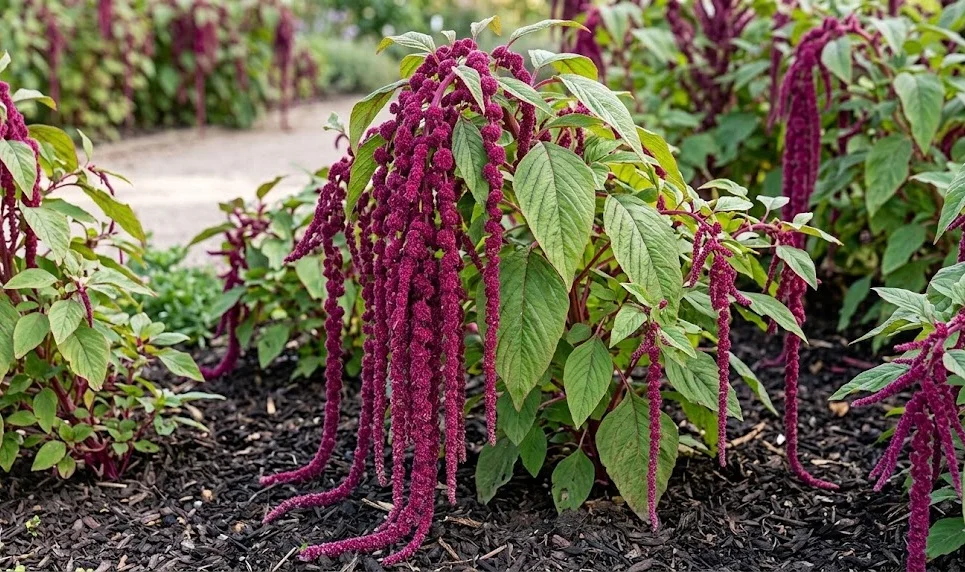

Maintaining the health and visual perfection of love-lies-bleeding requires constant vigilance against a variety of pathogenic diseases and destructive insect pests. Although this vigorous annual is generally robust, its dense canopy and heavy floral structures can create microenvironments that are highly attractive to opportunistic organisms. Early identification of symptoms and a comprehensive understanding of pest lifecycles are absolutely essential for executing timely, effective interventions. Implementing an integrated pest management strategy ensures that your plants remain vibrant and structurally sound throughout the entire growing season without relying excessively on harsh chemicals.
Common fungal pathogens and management
Fungal diseases represent the most frequent threat to the aesthetic value and structural integrity of this spectacular annual species. Damping-off, caused by soil-borne fungi such as Pythium or Rhizoctonia, is particularly devastating to young seedlings grown in overly wet conditions. This condition causes the stem at the soil line to rot and collapse, leading to the rapid death of the entire plant. To prevent this, always utilize sterile seed-starting mediums and avoid over-watering during the early stages of propagation.
Powdery mildew is another widespread fungal issue that typically manifests during the warm, humid days of late summer. It appears as a distinctive white or gray powdery coating across the upper surfaces of the large leaves, inhibiting photosynthesis and causing premature yellowing. Improving air circulation by adhering to recommended plant spacing guidelines is the most effective cultural defense against this pathogen. If the infection spreads, applying an organic fungicide based on copper or potassium bicarbonate can effectively halt its progress.
Leaf spot diseases, caused by various fungal strains, present as small, dark brown or black lesions surrounded by yellow halos on the foliage. Left unchecked, these spots can coalesce, leading to extensive defoliation and a severe reduction in the plant’s overall vigor. Removing and destroying infected lower leaves as soon as symptoms appear helps prevent the spores from splashing upward onto healthy tissue. Avoiding overhead watering and keeping the foliage completely dry during irrigation further reduces the likelihood of spore germination.
Root rot occurs when the plant is subjected to prolonged periods of waterlogged soil, which creates anaerobic conditions that suffocate the roots. The initial symptoms include generalized wilting, yellowing of the foliage, and a noticeable slowdown in growth, despite the soil being damp. Upon inspection, affected roots will appear mushy, dark brown, and emit an unpleasant, sour odor. Correcting soil drainage and significantly reducing irrigation frequency are critical steps to save plants in the early stages of root decline.
More articles on this topic
Insect pests and structural damage
A variety of chewing and sucking insects can target this species, causing visible foliar damage and potentially transmitting systemic plant viruses. Aphids are among the most common pests, clustering in dense colonies on the tender new growth and the undersides of leaves. These tiny insects pierce the plant tissue to suck out vital sap, leading to distorted leaf growth and a sticky residue known as honeydew. Introducing natural predators like ladybugs or applying a strong stream of water can keep aphid populations under control.
Flea beetles present another significant challenge, particularly to young, vulnerable plants early in the spring growing season. These small, dark insects chew numerous tiny holes into the leaves, giving the foliage a distinctive, shot-hole appearance that compromises photosynthesis. Floating row covers can provide excellent physical protection for young seedlings until they grow large and resilient enough to withstand the damage. Applying neem oil or insecticidal soap directly to the foliage helps deter these active pests without harming the wider environment.
Tarnished plant bugs and other piercing insects can target the developing flower buds, causing them to distort or drop prematurely. Their feeding activities can cause localized necrosis on the stems, weakening the structural support needed for the heavy hanging tassels. Regular monitoring of the flower heads allows for the early detection of these pests before significant aesthetic damage occurs. Utilizing yellow sticky traps placed near the plants can help monitor pest activity and reduce adult populations effectively.
Caterpillars, including various species of loopers and armyworms, can quickly consume large portions of the expansive foliage if left unmanaged. These voracious feeders leave large, irregular holes in the leaves and can even damage the delicate structural fibers of the trailing flowers. Hand-picking the caterpillars off the plants in the early morning is an effective, non-chemical method for small-scale gardens. For larger infestations, applying a biological insecticide containing Bacillus thuringiensis targets the caterpillars specifically while remaining safe for beneficial wildlife.
More articles on this topic
Viral infections and systemic issues
Viral diseases pose a serious threat because they are systemic and cannot be cured once a plant becomes infected. Amaranthus mosaic virus is one such pathogen, causing conspicuous mottled patterns of light and dark green across the leaves. Infected plants often display severe stunting, distorted foliage, and a dramatic reduction in the size and color intensity of the flowers. Because viruses are frequently transmitted by sap-sucking insects like aphids, controlling these vectors is the primary method of prevention.
Curly top virus is another destructive viral pathogen that can affect this species, leading to severe structural deformities. Symptoms include upward rolling of the leaf margins, thickening of the veins, and a generally bunched, rosetted appearance of the new growth. The virus is primarily transmitted by the beet leafhopper, an insect that migrates into gardens during hot, dry weather conditions. Removing and destroying affected plants immediately is imperative to prevent the virus from spreading to adjacent healthy specimens.
To minimize the risk of viral contamination, always purchase certified disease-free seeds from reputable and verified commercial sources. Maintaining a weed-free zone around your garden beds eliminates alternative host plants where viruses and their insect vectors might overwinter. Cleanliness is paramount, so always sanitize your pruning shears with rubbing alcohol between working on different individual plants. These strict hygiene protocols form a robust defense system that safeguards your entire horticultural collection from systemic decline.
When a viral infection is positively identified, the affected specimen must be completely removed from the garden, including its root system. Do not place virus-infected plant material into your compost pile, as the heat may not be sufficient to destroy the pathogen. Burning the infected material or disposing of it in sealed waste containers is the safest way to eliminate the threat. Prioritizing prevention and sanitation remains the only effective strategy for managing these untreatable systemic conditions.
Integrated pest management strategies
Integrated Pest Management, or IPM, is a holistic and sustainable philosophy that combines cultural, biological, and physical practices to manage pests. The primary objective of IPM is to keep pest populations below levels that cause economic or aesthetic damage rather than attempting eradication. This approach begins with regular, careful scouting of the garden to identify potential issues before they become widespread. Understanding the specific environmental conditions that favor certain pests allows you to take proactive, preventative measures.
Encouraging a diverse ecosystem of beneficial insects is a cornerstone of successful biological control within an IPM framework. Planting companion species that attract predatory wasps, hoverflies, and lacewings creates a natural balance where pests are kept in check. Avoiding the broad use of non-selective synthetic insecticides preserves these helpful predator populations and prevents sudden pest resurgences. Allowing a small, non-damaging population of pests to exist provides a necessary food source that keeps beneficial insects in your garden.
Cultural practices, such as proper crop rotation and meticulous sanitation, significantly disrupt the lifecycles of many common garden pathogens. Avoid planting amaranth or related species in the same soil configuration year after year to prevent the accumulation of soil-borne diseases. In the autumn, remove all dead plant debris from the garden beds to eliminate overwintering sites for both insects and fungal spores. Healthy, vigorously growing plants are inherently more resilient and capable of naturally withstanding minor pest pressure.
When direct intervention becomes necessary, always select the least toxic method that will effectively resolve the specific issue. Start with physical controls, such as hand-picking larger pests or using targeted water sprays to dislodge insect colonies. If chemical controls are required, prioritize organic options like insecticidal soaps, horticultural oils, or botanical extracts that break down quickly. This thoughtful, tiered approach to pest management protects your plants while maintaining the ecological health of your wider garden.
Environmental stress factors and physiological disorders
Not all health issues are caused by living pathogens or insects; many stem from non-parasitic, environmental stress factors. Leaf scorch occurs when the plant is exposed to intense sunlight and high temperatures without adequate soil moisture to sustain transpiration. The margins of the large leaves turn brown, dry, and brittle, compromising the aesthetic value and reducing photosynthetic capacity. Ensuring consistent irrigation during extreme heat waves is the primary method for preventing this common physiological disorder.
Nutrient toxicities, often resulting from the over-application of synthetic fertilizers, can cause severe structural damage and mimic disease symptoms. An excess of soluble salts in the soil dehydrates the root tips, leading to a condition known as fertilizer burn. This manifests as browned, curling leaf tips and an overall loss of turgidity throughout the plant canopy. Flushing the soil thoroughly with clean water helps dissolve and leach out the excess minerals, allowing the roots to recover gradually.
Edema is another physiological disorder that occurs when the roots absorb water faster than the leaves can transpire it. This typically happens during cool, cloudy, and humid weather when the soil is warm and wet, creating internal water pressure. The excess moisture causes small, blister-like bumps to form on the undersides of the leaves, which eventually turn tan and corky. Correcting soil drainage, reducing watering frequency, and improving air circulation will naturally resolve this condition without chemical intervention.
Understanding the distinction between biotic diseases and abiotic environmental disorders is critical for delivering the correct care treatment. Misdiagnosing an environmental stress factor as a fungal infection can lead to unnecessary and ineffective chemical applications that waste resources. Observing weather patterns, testing soil properties, and tracking your management inputs provides the context needed for accurate diagnosis. Maintaining a balanced growing environment remains the most effective way to prevent these disruptive physiological disorders.