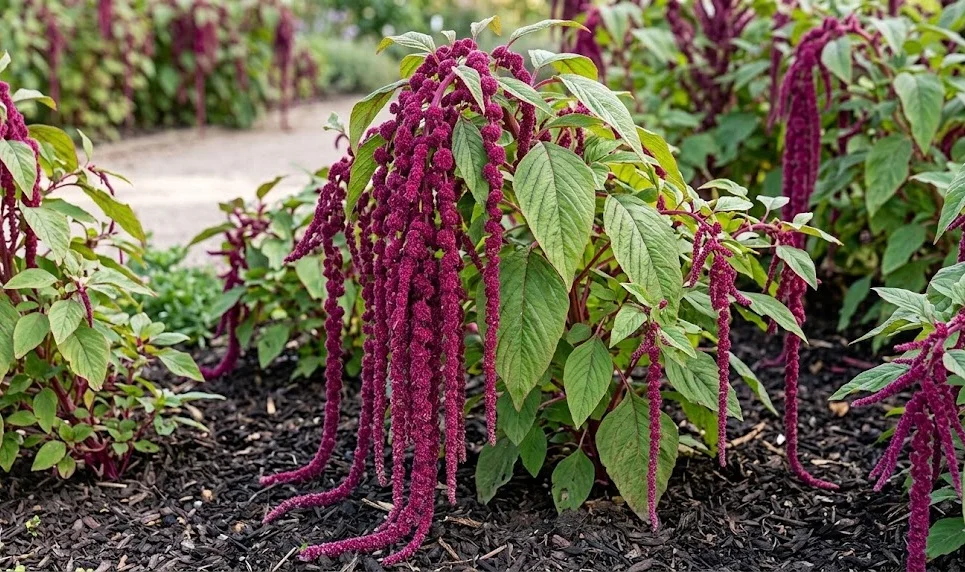

Cultivating the striking love-lies-bleeding plant requires a thorough understanding of its unique growth habits and physiological needs. This magnificent annual is highly celebrated for its cascading, tassel-like crimson blooms that add dramatic architectural interest to any garden landscape. Achieving the full ornamental potential of this species demands a dedicated approach to regular maintenance, environmental optimization, and proactive monitoring throughout its entire life cycle. Horticulturists must pay close attention to the delicate balance of nutrients, moisture, and spacing to ensure robust development.
Comprehensive overview of annual maintenance
The foundational aspect of managing this plant involves establishing a consistent routine that addresses its rapid growth rate during the peak summer months. Gardeners should regularly inspect the structural integrity of the heavy, trailing inflorescences to prevent them from breaking under their own weight or during severe weather events. Providing adequate physical support or strategic placement near windbreaks can significantly mitigate the risk of mechanical damage to the elongated stems. Furthermore, keeping the surrounding area free of aggressive weeds ensures that the plant does not have to compete for essential resources.
A key factor in long-term success is understanding how the plant responds to fluctuating microclimates within your specific garden layout. It thrives when given ample room to breathe, as poor air circulation can quickly lead to stagnant conditions that favor fungal pathogens. Observations should be recorded weekly to track the rate of flower elongation and overall foliar health, allowing for timely interventions when necessary. By maintaining a clean and well-spaced growing environment, you establish a resilient foundation that supports continuous, vibrant displays.
As the season progresses, the nutritional demands of the plant shift from vegetative expansion to intensive floral production. Cultivators must recognize these subtle transitions by observing changes in leaf color, stem thickness, and the intensity of the blossom hue. Addressing these physiological requirements requires a nuanced approach that avoids over-management while providing stable, reliable support. The ultimate goal of this care regimen is to prolong the majestic display of the tassels well into the autumn months.
Soil preparation and texture management
The subterranean environment plays a critical role in determining the ultimate height and vigor of these impressive annuals. They show a strong preference for well-drained, loamy soils that possess a neutral to slightly acidic pH range. Heavy clay soils must be amended thoroughly with organic matter or coarse sand to improve porosity and prevent dangerous waterlogging around the root zone. Conversely, excessively sandy soils require the addition of rich compost to enhance moisture retention and nutrient-holding capacity.
More articles on this topic
Before introducing the plants to their permanent locations, a comprehensive soil assessment should be conducted to identify potential deficiencies. Incorporating well-rotted manure or high-quality compost into the top six inches of the soil profile creates an ideal root-run. This preparatory step not only delivers a steady release of essential macronutrients but also fosters a beneficial microbial ecosystem. Healthy soil structure encourages rapid root elongation, which is vital for stabilizing the top-heavy mature plants.
Throughout the growing season, gardeners must monitor the soil for signs of compaction, which can severely restrict oxygen availability to the roots. Light cultivation of the surface soil can help maintain an open texture without disturbing the relatively shallow root system of the annual. Applying a thin layer of organic mulch around the base of the plant further protects the soil structure from the impacting force of heavy rainfall. This holistic approach to soil management ensures that the root system remains active and highly efficient.
The interaction between soil quality and moisture availability directly influences the uptake of vital micronutrients. When the soil structure is optimized, the plant can effortlessly absorb the minerals required for synthesized pigment production in the flowers. Regular observation of the lower foliage will quickly reveal whether the soil is delivering adequate support or if structural adjustments are required. Maintaining excellent soil tilth remains a cornerstone of professional cultivation practices.
Optimal environmental positioning and protection
Creating the perfect microclimate for these spectacular annuals involves assessing wind patterns and physical exposure within the garden landscape. Because the elongated floral tassels can catch the wind like sails, positioning them against a sturdy fence or a dense hedge offers invaluable protection. This strategic placement reduces the mechanical stress exerted on the main stalks, preserving the upright posture of the plant. Additionally, selecting a site that avoids low-lying frost pockets ensures a longer and more productive growing season.
More articles on this topic
Temperature dynamics significantly influence the growth rate and the timing of the initial floral emergence. The species displays remarkable resilience to high summer heat, provided that its basic moisture requirements are consistently fulfilled. However, sudden drops in temperature or prolonged periods of cold, damp weather can temporarily stunt development and dull the foliage. Cultivators should be prepared to use floating row covers if unexpected cold snaps threaten the young plants early in the spring.
Air circulation is another critical environmental factor that directly impacts the health of the dense canopy. Spacing the individual specimens at least two feet apart allows wind to move freely through the lower branches, drying the leaves quickly after rain. This rapid drying mechanism is the most effective natural defense against the germination of airborne fungal spores. Proper spacing also ensures that each individual plant receives an equal share of ambient atmospheric resources without crowding its neighbors.
Urban microclimates, such as those found near brick walls or paved walkways, can create beneficial heat islands that accelerate growth. Cultivators can leverage these warm zones to encourage earlier flowering and more intense coloration in the hanging tassels. However, these areas also dry out much faster, necessitating more frequent monitoring of soil conditions. Balancing these environmental variables requires an observant eye and a flexible approach to daily garden management.
Advanced structural support methods
As the unique crimson tassels reach their maximum length, the sheer physical weight can jeopardize the stability of the entire plant. Professional horticulturists often implement discrete staking systems early in the vegetative phase to guide the main stem’s upward growth. Utilizing sturdy bamboo stakes or specialized metal plant rings provides the necessary framework without detracting from the natural aesthetic beauty. Securing the main stalk with soft, flexible plant ties prevents girdling while allowing for natural movement in gentle breezes.
Group planting represents another effective technique for providing natural mutual support among individual specimens. When grown in dense, structural clusters, the sturdy outer plants act as a buffer against prevailing winds for the interior ones. This arrangement creates a self-supporting colony that looks visually magnificent while reducing the need for extensive artificial staking. However, this method requires meticulous attention to soil fertility, as the root density within the cluster will be exceptionally high.
In regions prone to severe summer thunderstorms, additional precautionary measures may be necessary to safeguard the mature display. Temporary windbreaks constructed from burlap or shade cloth can be erected ahead of predicted storm fronts to deflect destructive gusts. Examining the integrity of existing supports after any significant weather event allows for immediate adjustments before permanent damage occurs. Proactive structural management ensures that the dramatic visual impact of the garden remains unblemished.
The choice of support material should complement the organic nature of the garden while fulfilling its mechanical purpose efficiently. Natural jute twine and weathered wooden stakes blend seamlessly into the background foliage, maintaining a highly professional appearance. Regular adjustments to the ties are necessary as the stem diameter expands throughout the peak growing season. This ongoing attention to physical stability prevents sudden collapses that could ruin months of careful cultivation.
Seasonal adjustments and transition phases
Navigating the transition from early vegetative growth to the peak flowering phase requires distinct adjustments in care strategies. During the initial weeks, the focus remains entirely on building a robust framework of leaves and sturdy stems. Once the first hints of floral buds appear at the terminal nodes, the management priorities must pivot toward sustaining the impending bloom. This shift involves reallocating resources and modifying maintenance schedules to match the changing metabolic demands of the plant.
Mid-summer represents the apex of the plant’s ornamental value, characterized by the rapid elongation of the iconic hanging tassels. During this intense period, energy consumption is maximized, making the plant more sensitive to environmental stress factors. Cultivators should minimize any disruptive activities around the root zone, such as deep cultivating or major transplanting, to avoid causing unnecessary shock. Consistency in the daily routine during this phase ensures that the floral display achieves its maximum length and density.
As late summer transitions into early autumn, the plant begins to redirect its remaining energy toward seed production and maturation. The vibrant colors of the tassels may gradually transition into deeper, earthier tones as the seeds develop within the tiny flowers. Cultivators interested in seed preservation should monitor this phase closely, watching for the characteristic drying of the flower structures. For those prioritizing aesthetics alone, this period involves maintaining a clean appearance by removing declining foliage.
The final phase of the seasonal cycle arrives with the first true frosts of autumn, which naturally bring an end to this annual’s life. Understanding this natural timeline allows gardeners to plan their clean-up activities efficiently and prepare the bed for subsequent plantings. Recognizing that each seasonal phase requires a specific tactical approach is the mark of an experienced and successful horticulturist. This structured adaptation ensures that the plant fulfills its biological destiny while delivering maximum aesthetic rewards.
Long-term health monitoring protocols
Establishing a systematic observation routine is essential for identifying subtle signs of physiological stress before they manifest as severe problems. Cultivators should walk the planting beds at regular intervals, checking both the upper and lower surfaces of the expansive leaves. Early indicators of nutrient imbalances, such as localized chlorosis or marginal necrosis, can be detected through careful visual inspection. Maintaining a detailed garden log helps correlate these observations with weather patterns and historical management inputs.
Root health should be evaluated indirectly by assessing the turgidity of the foliage during the warmest hours of the day. Temporary wilting can be a normal response to extreme heat, but persistent drooping indicates a deeper issue within the root system or soil interface. Investigating the moisture levels at a depth of three inches provides immediate clarity on whether the issue is under-watering or root suffocation. Monitoring these indicators ensures that corrective actions are based on accurate data rather than guesswork.
The overall vigor of the plant can also be gauged by tracking the rate of new leaf emergence and internode length. Healthy specimens exhibit steady, proportional growth that reflects a harmonious balance of light, water, and nutrients. Sudden bursts of elongated, weak growth suggest an excess of nitrogen or insufficient light penetration within the canopy. Regular monitoring allows the horticulturist to fine-tune environmental factors to maintain a compact, sturdy, and structurally sound growth habit.
Finally, monitoring the local ecosystem surrounding the plants provides valuable insights into beneficial insect populations and potential threats. Encouraging natural predators, such as ladybugs and lacewings, helps maintain a balanced environment where pest populations are kept in check naturally. Recording the arrival dates of specific insects creates a valuable phenological record for future growing seasons. This comprehensive approach to health monitoring ensures long-term stability and success in cultivating these dramatic annuals.
Aesthetic upkeep and presentation standards
Maintaining the high visual standards expected in professional estate gardening requires meticulous attention to the plant’s overall appearance. As the large lower leaves naturally age and turn yellow, they should be promptly removed to preserve a clean, vibrant aesthetic. This simple grooming practice not only improves the look of the display but also eliminates potential harborages for opportunistic pests. Using sharp, sanitized pruners ensures clean cuts that heal rapidly without leaving unsightly ragged edges.
The presentation of the cascading flowers can be enhanced by selectively thinning out overlapping foliage that obscures the tassels. Carefully removing a few strategic leaves opens up visual pathways, allowing the brilliant crimson structures to take center stage. This technique is particularly effective when the plants are utilized as focal points in formal border designs or large containers. The objective is to showcase the unique architectural form of the plant to its absolute best advantage.
Managing the surrounding ground cover is another important aspect of maintaining a professional presentation standard. A pristine layer of dark organic mulch contrasts beautifully with the bright foliage and deep red flowers of the annual. Keeping the boundaries of the planting bed cleanly edged prevents turfgrass from encroaching and creating a cluttered appearance. This attention to detail elevates the entire installation, transforming a simple garden plot into a sophisticated horticultural display.
As the flowering season draws to a close, deciding when to terminate the display requires balancing aesthetics with ecological benefits. Some gardeners prefer to leave the dried seed heads intact through early winter to provide a natural food source for local birds. Others choose to remove the plants immediately upon the first frost to maintain a neat, orderly garden landscape throughout the winter. Whichever path is chosen, executing it with precision and intent reflects the highest standards of professional garden stewardship.