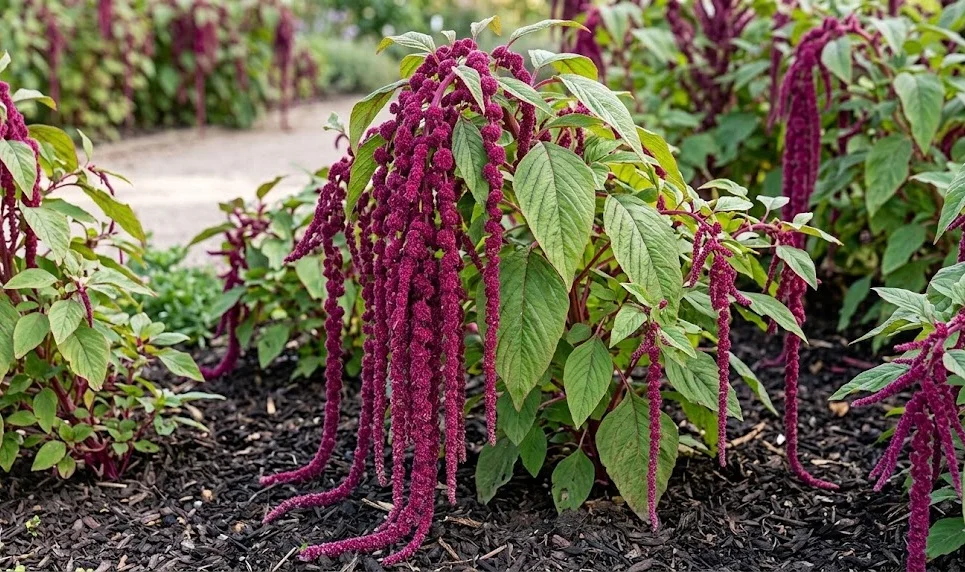

Optimizing the hydration and nutritional intake of love-lies-bleeding is absolutely essential for achieving the dramatic, cascading floral displays that define this magnificent species. While this resilient annual possesses a notable degree of drought tolerance once fully established, maximum structural growth and flower length are heavily dependent on consistent care. Balancing water delivery with a structured fertilization regime requires an understanding of the plant’s fast-paced metabolic cycle during the hot summer months. Providing the right inputs at the correct developmental stages ensures robust health, preventing common issues such as weak stems or premature leaf drop.
Scientific principles of efficient hydration
Understanding how moisture moves through the soil and into the root system is fundamental to establishing an effective watering routine. The plant utilizes water not only for basic cellular turgidity but also to transport essential dissolved nutrients from the soil to the upper canopy. During periods of rapid vegetative growth, the expansive leaves transpire large volumes of water, creating a continuous demand for soil moisture. Insufficient hydration during this critical phase can lead to irreversible cellular damage and permanent stunting of the overall plant structure.
To water effectively, you must focus on deep soil penetration rather than frequent, superficial surface wettings that encourage shallow root growth. Delivering a thorough soaking that reaches a depth of six to eight inches encourages the taproot to grow downward, making the plant significantly more resilient. Automated drip irrigation systems or specialized soaker hoses are highly recommended because they deliver water slowly and directly to the soil base. This targeted application minimizes evaporation losses and ensures that the root zone receives a uniform supply of moisture.
The timing of irrigation plays an equally critical role in maintaining plant health and preventing the onset of devastating diseases. Watering in the early morning hours allows any accidental moisture on the foliage to dry rapidly under the ascending sun. Avoid watering late in the evening, as prolonged dampness on the leaves creates a perfect breeding ground for destructive fungal spores. Adjusting the irrigation schedule to account for natural rainfall events prevents the soil from becoming excessively saturated, which can suffocate the root system.
Observing the physical condition of the soil and the plant’s daily behavior provides immediate feedback on the efficacy of your watering strategy. If the top two inches of soil feel completely dry to the touch, it is generally time to execute a deep watering session. Temporary afternoon wilting during extreme heat waves is common and does not always indicate a lack of soil moisture, so always check the ground before adding more water. Developing a nuanced understanding of these environmental indicators prevents both under-watering and the equally hazardous mistake of over-watering.
More articles on this topic
Nutrient management and macronutrient ratios
Fueling the rapid growth of this substantial annual requires a well-planned fertilization strategy that aligns with its changing developmental needs. In the early stages of growth, the plant benefits from a balanced supply of nitrogen to encourage the formation of strong stems and lush foliage. However, an excess of nitrogen later in the season can result in overly lush leaf production at the expense of flower development. Therefore, transitioning to a formulation higher in phosphorus and potassium is critical as the flowering phase approaches.
Incorporating a slow-release granular fertilizer into the planting bed provides a steady, reliable foundation of nutrients over several months. Organic options such as bone meal, fish emulsion, and well-composted manure are excellent choices because they improve soil structure while feeding the plant. These materials break down gradually through microbial activity, ensuring that nutrients are released in a form that the roots can easily assimilate. Supplementing this foundation with targeted liquid feedings during peak growth can further enhance the overall vibrancy of the display.
When selecting a commercial fertilizer, paying close attention to the N-P-K ratio ensures that you are delivering the correct chemical elements. A ratio such as 5-10-10 or similar low-nitrogen, high-phosphorus blends works beautifully to stimulate the elongation of the signature hanging tassels. Phosphorus is the primary driver of robust floral development, while potassium strengthens the internal cell walls, helping the heavy stalks remain upright. Applying these nutrients every three to four weeks during the summer maintains peak metabolic activity without causing salt buildup.
Cultivators must also be vigilant for signs of nutrient deficiencies, which manifest clearly in the appearance of the expansive foliage. Yellowing of the lower leaves while the veins remain green often indicates a magnesium deficiency, which can be quickly corrected with an Epsom salt solution. Conversely, general paleness across the entire plant may suggest a need for a balanced organic nitrogen boost to restore vitality. Regularly assessing the nutritional status of the soil ensures that the plant never experiences a stressful interruption in its growth cycle.
More articles on this topic
Microclimatic impacts on resource consumption
The local microclimate of your garden significantly dictates how quickly the plant depletes its available water and nutrient reserves. Intense sunlight, elevated temperatures, and persistent winds accelerate both evaporation from the soil and transpiration from the large leaves. Plants grown in exposed, windy locations will naturally require more frequent irrigation to maintain their physiological balance compared to those in sheltered spots. Understanding these environmental dynamics allows you to customize your care routine to the specific conditions of each planting site.
Soil type also interacts dramatically with watering and fertilization efficiency, necessitating specific adjustments based on texture. Sandy soils drain exceptionally fast and leach nutrients quickly, meaning they require more frequent, lighter applications of both water and fertilizer. Clay soils, while rich in inherent minerals, hold moisture tenaciously and can easily become waterlogged if over-managed. Adding high-quality organic matter to either soil type acts as a valuable buffer, regulating moisture retention and stabilizing nutrient availability.
Cultivating this species in large containers or raised beds alters its resource requirements even further, requiring a heightened level of attentiveness. Containerized plants have a restricted root volume and dry out much faster than those grown directly in the ground, often necessitating daily watering during heat waves. Because regular watering quickly leaches soluble nutrients from potting mixes, container-grown specimens require more frequent, low-strength liquid fertilization to sustain growth. Monitoring these confined environments ensures that the plants do not suffer from sudden, acute resource depletion.
Seasonal shifts in weather patterns also demand flexibility in how you execute your watering and feeding protocols. During cool, overcast stretches of weather, the plant’s metabolic rate slows down, reducing its overall consumption of resources significantly. Continuing to water heavily during these periods can lead to root rot and anaerobic soil conditions that invite disease. Adapting your management style to mirror the actual weather conditions rather than sticking rigidly to a calendar schedule is the hallmark of professional horticultural practice.
Advanced fertilization techniques for exhibition quality
For growers aiming to produce exhibition-quality specimens with exceptionally long and vivid crimson tassels, advanced feeding techniques can be employed. Foliar feeding, which involves spraying a diluted liquid fertilizer directly onto the leaf surfaces, allows for rapid nutrient absorption. This method bypasses the root system entirely, delivering immediate relief during critical growth phases or when soil conditions limit nutrient uptake. Utilizing a high-quality kelp or fish emulsion spray in the early morning hours provides a noticeable boost to foliar sheen and flower intensity.
Another highly effective strategy is the application of compost tea, a nutrient-rich liquid brewed from well-aerated organic compost. This living solution introduces millions of beneficial microorganisms directly to the soil, enhancing the natural biological activity around the roots. These microbes work symbiotically with the plant, breaking down complex organic compounds and making minerals more bioavailable. Applying compost tea as a soil drench every two weeks fosters a highly resilient underground ecosystem that supports superior top-growth.
Care must be taken to avoid fertilizer burn, which occurs when excessive synthetic salts accumulate in the soil and dehydrate the roots. Signs of this condition include scorched leaf margins, brown tips, and a sudden, unexplained decline in overall plant vigor. If fertilizer burn is suspected, the soil must be thoroughly flushed with large volumes of clean, clear water to leach out the excess salts. Shifting exclusively to organic, slow-release inputs is the safest way to prevent this issue while maintaining high fertility standards.
Ultimately, the most successful fertilization program is one that is applied consistently and adjusted based on regular visual assessments. Keeping a detailed record of application dates, product types, and subsequent plant responses helps refine your approach year after year. The combination of structural root drenches and targeted foliar inputs ensures that the plant receives a comprehensive spectrum of essential elements. This dedicated approach to nutritional management unlocks the true genetic potential of these spectacular annuals.
Sustainable water conservation practices
Implementing water conservation techniques is not only environmentally responsible but also highly beneficial for maintaining stable soil conditions. Applying a three-inch layer of organic mulch, such as shredded bark, leaves, or clean straw, around the base of the plants is incredibly effective. This protective blanket shades the soil surface, reducing evaporation losses by up to sixty percent and keeping root zones cool during summer heat. Mulch also prevents the formation of a hard surface crust, allowing future irrigation or rainfall to penetrate the soil effortlessly.
Rainwater harvesting represents another excellent sustainable practice that provides superior quality water for your gardening needs. Collected rainwater is naturally soft, free of harsh treatment chemicals like chlorine, and possesses a pH level that plants naturally prefer. Utilizing rain barrels connected to your downspouts ensures a reliable supply of this premium water source throughout the peak growing season. Using this natural resource to hydrate your amaranth supports healthier root development and reduces your reliance on municipal water systems.
Grouping plants with similar moisture requirements together, a practice known as hydrozoning, further optimizes water usage across your landscape. Pairing love-lies-bleeding with other sun-loving annuals or perennials that share its moderate water needs ensures that no resources are wasted. This strategic arrangement simplifies your irrigation routines and prevents the accidental over-watering of nearby drought-tolerant species. Hydrozoning represents a intelligent, landscape-wide approach to resource management that maximizes both efficiency and plant health.
Finally, regular maintenance of your irrigation equipment ensures that water is delivered precisely where it is needed without wasteful runoff. Checking drip lines for leaks, clearing clogged emitters, and adjusting sprinkler trajectories prevents water from being misdirected onto paved surfaces. Conserving water through these combined practices creates a more resilient garden ecosystem that can easily withstand seasonal challenges. Professional resource management ultimately enhances the sustainability and beauty of your entire horticultural enterprise.