
As a tropical annual species native to warmer regions, love-lies-bleeding possesses absolutely no natural tolerance for freezing winter temperatures. The arrival of the first true autumn frost signals the natural end of its outdoor lifecycle, causing the lush foliage to collapse and blacken. However, horticulturists can employ specific strategies to preserve the genetic lineage or enjoy the plant’s unique beauty across multiple calendar years. Understanding how to navigate the cold season involves a combination of seed preservation, indoor container management, and careful microclimatic adjustments. By mastering these overwintering protocols, gardeners can seamlessly bridge the gap between growing seasons and ensure a spectacular display next spring.
The biological impact of freezing temperatures
To effectively manage this plant as winter approaches, one must understand the cellular changes triggered by declining ambient temperatures. The species is structurally designed for warm, high-light environments where metabolic processes can operate at peak efficiency. When temperatures drop below ten degrees Celsius, the plant’s internal transport systems begin to slow down dramatically, restricting nutrient movement. Exposure to actual freezing conditions causes the water within the plant cells to expand and freeze, rupturing the delicate cellular walls.
This irreversible structural damage manifests almost immediately as the frost thaws under the morning sun, leaving the plant limp and lifeless. For standard garden installations, this marks the appropriate time to clear the bed and compost the remaining vegetative biomass. However, recognizing this definitive timeline allows proactive gardeners to take action well before the killing frost arrives. Protecting selected specimens requires monitoring local weather forecasts closely during the transitional weeks of early autumn.
In regions with exceptionally short growing seasons, the challenge is ensuring the plant completes its ornamental cycle before the cold sets in. Sudden early frosts can catch unprepared growers off guard, destroying beautiful floral displays prematurely. Utilizing temporary protective structures, such as floating row covers or heavy burlap blankets, can extend the plant’s life by a few crucial weeks. This temporary insulation buffers the immediate environment, allowing the final seeds to mature fully on the stalk.
Ultimately, accepting the annual nature of the plant in temperate zones shapes the fundamental approach to its long-term management. Rather than trying to keep a large, mature outdoor specimen alive through a harsh winter, focus shifts to alternative preservation methods. This biological reality highlights the supreme importance of seed harvesting and indoor propagation techniques. Embracing these natural cycles ensures a highly successful and sustainable approach to managing this dramatic ornamental species.
More articles on this topic
Containerized indoor preservation methods
For individuals wishing to keep a living specimen alive through the dark winter months, container cultivation offers a viable pathway. This method requires lifting smaller, younger specimens from the garden before the arrival of autumn chills or growing them in pots from the beginning. The transition indoors must be executed carefully to minimize root shock and help the plant adapt to lower humidity levels. Selecting a high-quality, well-draining potting mix ensures that the roots remain healthy within the confined space of a container.
Once brought inside, the plant must be positioned in the absolute brightest location available, such as a south-facing window. Because indoor light levels are significantly lower than outdoor sunlight, supplementing with artificial grow lights is highly recommended to prevent stretching. Maintain a consistent indoor temperature between eighteen and twenty-two degrees Celsius, avoiding exposure to cold drafts or hot heating vents. This controlled thermal environment helps the plant sustain a basic level of metabolic activity throughout the winter.
Watering practices must be adjusted dramatically during the indoor overwintering period to reflect the plant’s reduced growth rate. The soil should be allowed to dry out substantially between waterings, as standing water will quickly induce devastating root rot. Suspend all fertilization routines entirely until the return of spring, as adding nutrients now would force weak, elongated growth. Regularly misting the foliage or utilizing a gravel humidity tray helps counteract the drying effects of indoor heating systems.
Inspect the indoor plants weekly for common houseplant pests, such as spider mites and fungus gnats, which thrive in indoor conditions. If pests are detected, treat them immediately with mild insecticidal soap or neem oil before the infestation spreads. As spring approaches and daylight hours lengthen, you will notice a natural resurgence in the plant’s growth vigor. This successful indoor preservation provides a mature, established plant ready to be reintroduced to the garden early next season.
More articles on this topic
Seed preservation as a survival strategy
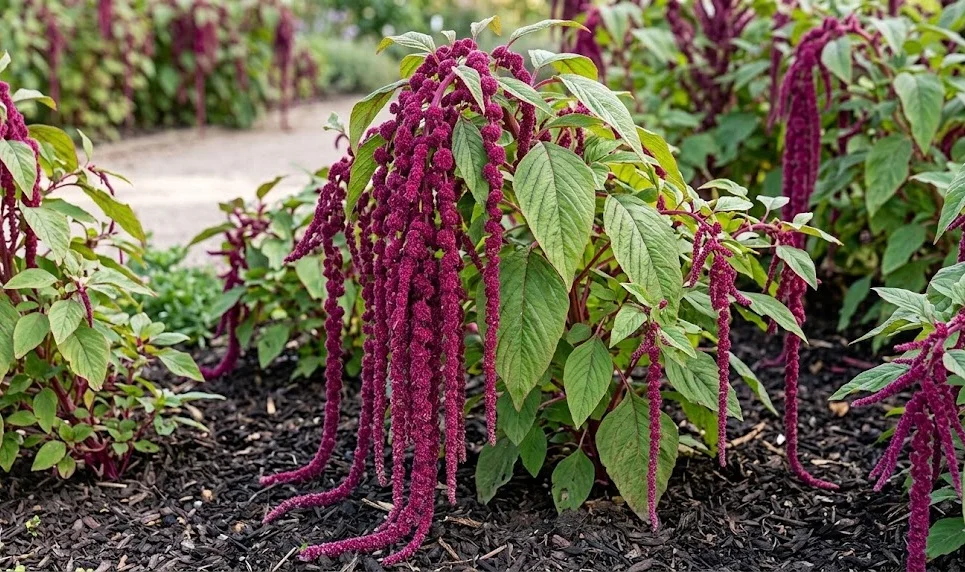
The most reliable and ecologically sound method for overwintering this tropical annual is through the preservation of its highly resilient seeds. Each cascading crimson tassel produces a vast abundance of tiny seeds that are perfectly adapted to survive cold conditions in a dormant state. Allowing a choice selection of flowers to fully mature and dry on the plant is the first step in this highly effective preservation process. The seeds are ready for collection when they easily dislodge from the flower structure when gently tapped.
Choose a clear, dry afternoon to harvest the seed heads to ensure that no ambient atmospheric moisture is trapped within the collection containers. Cut the mature tassels and place them upside down inside large paper bags to capture any seeds that naturally fall out as drying continues. Store the bags in a warm, well-ventilated room for two weeks to guarantee that the plant material is completely dehydrated. This thorough drying phase is critical to prevent the formation of destructive mold during subsequent storage.
Once fully dry, separate the seeds from the remaining organic chaff by rubbing the material through a fine-mesh sieve or using a gentle fan. Place the cleaned, pristine seeds into airtight glass vials, silicone pouches, or paper seed envelopes for long-term protection. Label each container clearly with the species name, collection date, and any specific notes regarding flower color or plant vigor. Storing these containers in a cool, dark, and dry location, such as a pantry or refrigerator, keeps the embryos dormant and viable.
When spring returns and soil temperatures rise, these preserved seeds carry the complete genetic potential to recreate the previous year’s spectacular display. This method requires significantly less physical effort and indoor space than maintaining live plants through the winter months. It also allows you to share your unique garden lineage with other passionate horticulturists across the community. Seed preservation represents a timeless, elegant, and highly efficient solution to the challenge of overwintering tropical annuals.
Preparing the garden bed for winter dormancy
The final aspect of winter management involves properly treating the outdoor soil plot after the annual plants have completed their cycle. Once frost has terminated the growth, removing the entire plant carcass, including the extensive root system, is highly recommended. This thorough clean-up prevents dead organic material from matting down and creating a habitat where fungal pathogens can easily overwinter. Debris from healthy plants can be added to the compost pile, while diseased material should be completely destroyed.
After clearing the surface, gently loosening the top few inches of soil helps expose hidden insect pupae to natural predators and freezing temperatures. This simple cultural practice can significantly reduce pest populations, such as flea beetles, ahead of the next growing season. Incorporating a thick layer of well-rotted manure or rich organic compost at this time allows nutrients to incorporate naturally over the winter. The cold months provide an ideal window for the soil biology to process these organic amendments without competing with active plant roots.
Applying a protective layer of organic mulch, such as shredded leaves or clean straw, over the bare garden bed is highly beneficial. This insulating blanket stabilizes soil temperatures, preventing the destructive freeze-thaw cycles that can disrupt soil structure and damage beneficial earthworms. Mulch also prevents heavy winter rains from compacting the surface soil and leaching valuable nutrients out of the root zone. This proactive care ensures that the planting bed remains fertile, open, and structurally perfect for spring planting.
As winter sets in, taking the time to clean, sharpen, and oil your gardening tools ensures they remain in peak condition. Reflecting on the successes and challenges of the past growing season allows you to refine your layout plans for the coming year. A well-prepared winter bed represents a clean canvas full of horticultural potential, waiting for the return of warm spring sunshine. This comprehensive approach to seasonal transition marks the practice of a truly dedicated and professional horticulturist.