
Executing proper pruning and cutting back techniques is a powerful tool for shaping the growth habit and extending the ornamental display of love-lies-bleeding. While this robust annual naturally forms an upright, branching structure, strategic interventions can significantly enhance its aesthetic appeal and structural stability. Understanding when and where to make precise cuts allows horticulturists to manipulate the distribution of plant energy, resulting in more abundant flower production. By mastering these targeted pruning protocols, you can maintain a manicured, professional appearance across your garden installations while maximizing the physical longevity of the spectacular cascading tassels.
Early season pinching and structural shaping
Pinching out the terminal growth tips early in the vegetative phase is an exceptionally effective technique for altering the natural growth architecture. When the young plant reaches approximately twelve inches in height, removing the central growing point disrupts apical dominance and stimulates lateral bud development. This simple action forces the plant to produce multiple sturdy side branches rather than focusing all its energy on a single main stalk. The result is a much bushier, more compact specimen that offers a greater number of individual flowering sites.
The timing of this initial pinch is critical to ensure that the plant has sufficient time to recover and develop its new structural framework. Performing the cut using clean fingernails or a small pair of sharp, sanitized pruning shears ensures a clean wound that heals within hours. Avoid pinching too late in the season, as this can delay the onset of the flowering phase and reduce the ultimate length of the tassels. This proactive shaping technique is particularly valuable when cultivating the species in exposed, windy locations where a lower center of gravity is advantageous.
As the lateral branches emerge and grow, gardeners can perform selective secondary pinching to further refine the density of the canopy. This involves removing the tips of the fastest-growing side shoots to encourage a completely uniform, balanced distribution of foliage. Monitoring the space between individual plants ensures that this increased bushiness does not lead to overcrowding and restricted air circulation. Proper early-season shaping establishes a resilient, high-capacity framework capable of supporting an overwhelming abundance of heavy flowers later in the summer.
Understanding the specific goals of your landscape design will dictate how aggressively you employ these early pruning techniques. If your objective is a single, towering architectural accent, you may choose to skip pinching entirely to allow maximum vertical elongation. Conversely, if you are integrating the plants into a formal border display, aggressive pinching creates a cohesive, multi-branched hedge effect. Flexing your pruning strategy to match your design intent is the mark of an experienced and thoughtful horticultural professional.
More articles on this topic
Mid-season maintenance and selective leaf thinning
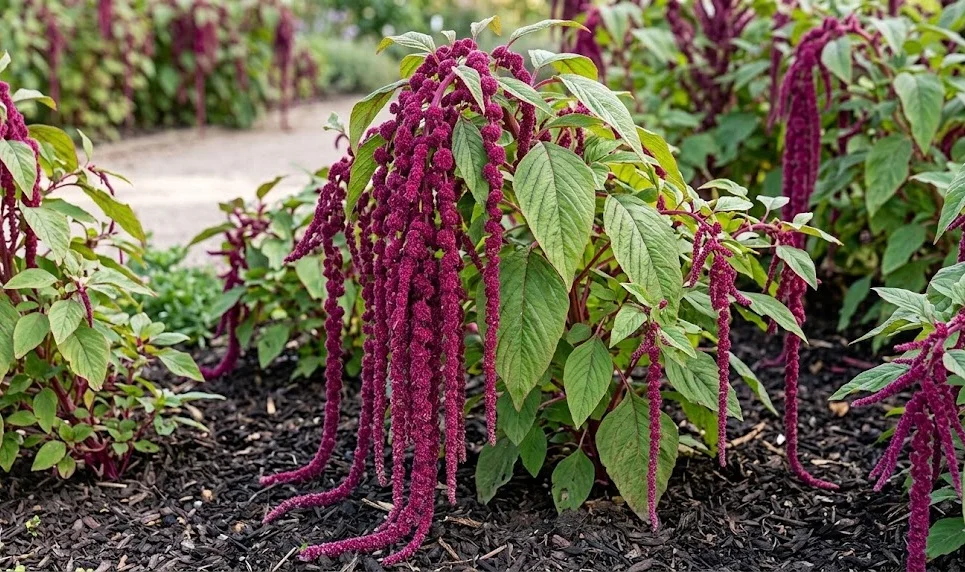
As the summer progresses and the iconic cascading tassels begin to form, the focus of pruning shifts toward aesthetic refinement and health maintenance. Selective leaf thinning involves carefully removing large, older leaves from the interior and lower sections of the plant framework. This practice dramatically improves air penetration through the dense canopy, reducing the humidity levels that favor destructive fungal pathogens. It also allows ambient sunlight to reach the lower branches, preventing premature leaf yellowing and drop.
When executing mid-season thinning, always prioritize the removal of leaves that show signs of mechanical damage, insect feeding, or early disease lesions. Removing these compromised structures immediately eliminates potential infection sources and prevents problems from spreading upward to the pristine new growth. Use sharp, sterilized hand pruners to cut the leaf petioles cleanly near the main stem without tearing the delicate bark tissue. Maintaining strict tool hygiene between individual plants remains a non-negotiable standard for preventing the cross-contamination of systemic diseases.
Another important aspect of mid-season upkeep is the strategic removal of leaves that physically obscure the beautiful hanging flowers. Gently thinning out the foliage immediately surrounding the base of the tassels opens up clean visual pathways, enhancing the dramatic presentation of the display. This subtle editing technique allows the brilliant crimson structures to catch the light beautifully and take center stage in the landscape composition. The objective is to achieve a perfect balance between lush, healthy green foliage and unhindered floral visibility.
Throughout this maintenance phase, monitor the structural stability of the individual branches as they become heavily weighted down by the expanding flowers. If a specific lateral branch appears to be cracking or splitting away from the main trunk, immediate corrective pruning is required. Cleanly removing the damaged portion redirects the plant’s resources toward healing the wound and supporting the remaining healthy branches. Proactive mid-season maintenance ensures that the installation remains immaculate, safe, and visually captivating through the hottest weeks of the year.
More articles on this topic
Late-season deadheading and ultimate rejuvenation
Deadheading, the practice of removing spent or declining flower heads, plays a multifaceted role in the late-summer management of this annual species. As the oldest tassels begin to lose their brilliant color and transition into seed production, removing them prevents the plant from exhausting its energy reserves. This intervention signals the plant to produce a secondary flush of smaller, vibrant lateral blooms, extending the overall ornamental season significantly. Cleanly cutting the spent flower stalks back to a healthy node or lateral leaf axis stimulates rapid rejuvenation.
In addition to prolonging the bloom period, late-season deadheading is a highly effective method for controlling prolific self-seeding within the garden beds. Left to its own devices, a single mature specimen can drop thousands of highly viable seeds that will sprout aggressively the following spring. For gardeners desiring a neat, controlled landscape, intercepting these seed heads before they shatter is a top maintenance priority. This careful management keeps the surrounding soil clear of unwanted volunteer seedlings, preserving the integrity of your design.
When the autumn chill finally arrives and the entire plant begins to enter its terminal decline, the process of ultimate cutting back begins. Rather than leaving the blackened, frost-damaged stalks to decay slowly in the bed, cut the entire plant down to ground level. This clean sweep removes the bulk of the organic debris, simplifying the process of soil preparation and mulching for the upcoming winter. Utilizing heavy-duty loppers or a sharp garden saw allows you to complete this final task efficiently and professionally.
The removed plant material should be carefully assessed before determining its final destination within your garden ecosystem. If the plants remained completely healthy and free of pests throughout the year, they make an excellent, carbon-rich addition to the compost pile. However, if you battled fungal infections or viral issues, the debris should be bagged and disposed of entirely outside the garden area. Completing this final phase of the pruning cycle with thoroughness and precision sets the stage for a clean, successful start in the next growing season.