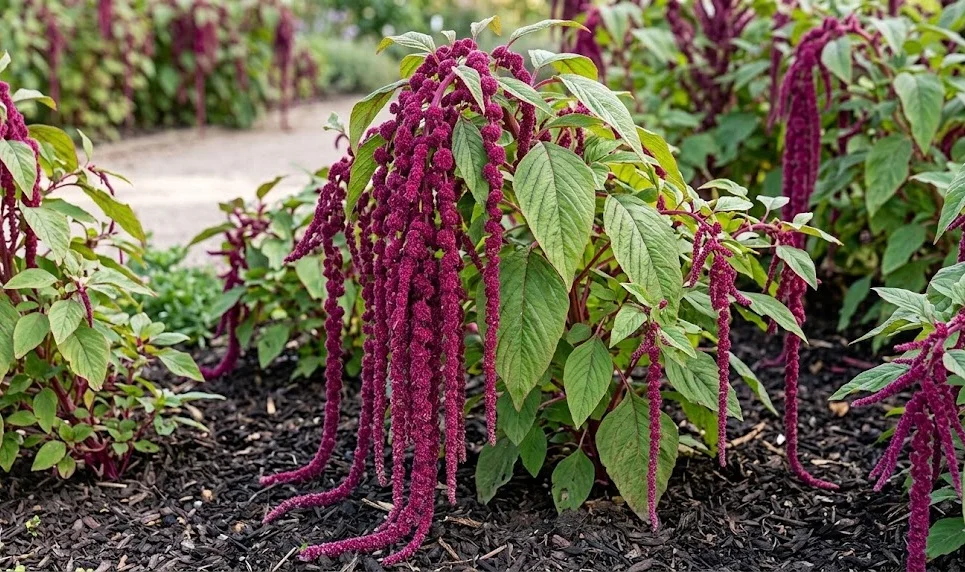

Understanding and fulfilling the intense light requirements of love-lies-bleeding is the absolute key to unlocking its full ornamental grandeur and structural vitality. This magnificent tropical annual has evolved to thrive under conditions of maximum solar radiation, utilizing sunlight to fuel its rapid and substantial growth. Insufficient illumination is the single most common cause of weak, elongated stems and dull, poorly developed floral tassels in home gardens. By strategically analyzing the sun exposure across your landscape, you can select the perfect location that allows this species to flourish beautifully.
The physiological role of full solar radiation
At a fundamental biological level, the plant utilizes a highly efficient photosynthetic pathway known as C4 carbon fixation. This specialized adaptation allows the species to convert sunlight into cellular energy at extremely high rates, even under intense heat and dry conditions. Full sun exposure, defined as a minimum of six to eight hours of direct sunlight daily, is mandatory for optimal development. Without this intense energy input, the plant cannot synthesize the complex carbohydrates required to build its thick, self-supporting main stalks.
Sunlight also serves as the primary environmental trigger for the synthesis of the rich betalain pigments that color the flowers. The brilliant crimson, magenta, or deep red hues of the cascading tassels require direct UV radiation to reach their full intensity. Plants grown in shaded positions will invariably produce pale, washed-out blooms that lack the dramatic visual impact of their sun-drenched counterparts. Ensuring unhindered light exposure is therefore an aesthetic necessity as much as a physiological requirement for this ornamental variety.
The angle and duration of daily sunlight also influence the timing of the initial floral emergence and the subsequent rate of elongation. Under optimal full-sun conditions, the plant transitions smoothly from vegetative growth to flower production as the summer days reach their maximum length. The intense light provides the necessary metabolic momentum to push out the extensive cascading structures without exhausting the plant’s internal reserves. Monitoring how light shifts across the garden throughout the season helps you predict the precise timing of peak bloom.
Furthermore, direct sunlight plays a critical role in maintaining a healthy, disease-resistant microclimate within the dense plant canopy. The heat generated by solar radiation rapidly evaporates morning dew and intercepted rainfall from the large, expansive leaf surfaces. This rapid drying action is the most effective natural deterrent against the germination of destructive airborne fungal spores such as powdery mildew. Positioning the plants in full sun leverages natural environmental forces to safeguard their structural health and appearance.
More articles on this topic
Consequences of inadequate illumination and shade stress
When forced to grow in partial shade or under the canopy of larger trees, the plant exhibits clear signs of physiological stress. The most immediate response to inadequate light is etiolation, a condition where the internodes elongate excessively as the plant stretches toward the light source. This results in tall, spindly, and structurally weak stalks that are incapable of supporting the heavy weight of mature flowers. Such plants will inevitably collapse or break during summer rainstorms unless they are heavily and artificially supported.
Shade stress also manifests as a noticeable reduction in leaf size and a general loss of foliar density across the plant framework. The leaves may become pale green or yellowish as the plant struggles to maintain chlorophyll efficiency under low-light conditions. This weakened vegetative state directly limits the amount of energy available for allocation toward reproductive structures, resulting in fewer flower nodes. The overall silhouette of a shade-stressed specimen appears sparse, unkempt, and entirely lacks the robust, architectural presence of a healthy plant.
In addition to structural weaknesses, low-light environments significantly prolong the duration of surface moisture on the foliage and surrounding soil. This stagnant condition creates an ideal environment for opportunistic pests, such as slugs and snails, which feed on the lower leaves. Fungal pathogens can also establish themselves much more easily, spreading rapidly through the weakened tissue and causing extensive aesthetic damage. Identifying these shade-related symptoms early allows the horticulturist to make necessary adjustments before permanent decline occurs.
If a specimen is accidentally planted in an excessively shaded location, corrective action should be taken as quickly as possible to save the display. Pruning back overhanging branches from nearby trees can immediately increase the amount of ambient light reaching the understory plants. Alternatively, for containerized specimens, moving the pots to a sun-baked patio or walkway will quickly restore growth vitality and stimulate flower development. Recognizing the profound impact of light levels allows you to manage your garden layout with a high degree of professional precision.
More articles on this topic
Seasonal light shifts and landscape placement
Successful landscape integration requires a thorough understanding of how sunlight patterns shift across the garden from spring through autumn. A location that appears fully sunny in May might become shaded in July as nearby deciduous trees develop full foliar canopies. Cultivators must account for these dynamic changes when selecting permanent planting sites for this fast-growing annual variety. Mapping the daily sun exposure during the planning phases prevents unexpected shade issues from compromising your mature summer display.
Utilizing reflective surfaces within the garden design can be an effective way to maximize light availability in marginal areas. Planting love-lies-bleeding against light-colored walls, fences, or near light-colored gravel walkways reflects additional ambient light back onto the lower canopy. This technique effectively increases the total photosynthetic radiation received by the plant, accelerating growth and enhancing flower pigmentation. This strategic use of hardscape elements demonstrates an advanced, professional approach to microclimate optimization.
In regions with extremely intense, scorching summer climates, a tiny amount of dappled afternoon shade can occasionally be beneficial to prevent moisture stress. However, this shade should be minimal and never interfere with the primary requirement of six hours of direct morning and midday sun. The goal is to buffer the absolute highest heat spikes of the day without reducing the total light energy needed for flower production. Balancing these subtle environmental factors requires observation and a deep familiarity with your specific regional climate characteristics.
Ultimately, placing this dramatic annual in a prominent, fully exposed position ensures that it serves as a spectacular focal point in your design. The way direct sunlight illuminates the cascading crimson tassels creates a breathtaking visual display that elevates the entire garden aesthetic. Prioritizing light requirements from the very first day of planting guarantees a rewarding, high-performance cultivation experience. This dedication to environmental alignment remains the foundation of all successful professional horticultural endeavors.