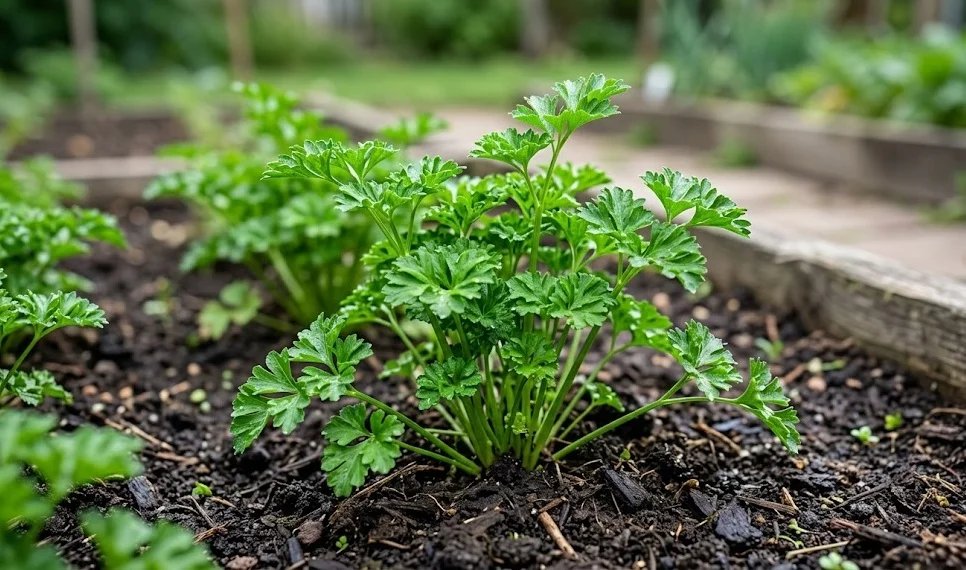

Watering and fertilizing are the two most dynamic aspects of parsley cultivation, requiring constant adjustment based on environmental conditions. A professional approach involves moving beyond simple schedules and instead responding to the specific physiological needs of the plant. Proper hydration ensures that the leaves remain succulent and flavorful, while targeted nutrition supports vigorous growth. Mastering these elements allows you to push the productivity of your herb garden to its maximum potential.
The core philosophy of watering parsley is centered around the concept of consistency. Parsley lacks the drought-tolerance of woody herbs like rosemary or thyme and will quickly wilt if the soil dries out completely. However, overwatering is equally dangerous, as it can lead to fungal issues and root rot in the dense foliage. You should aim for a soil moisture level that feels like a wrung-out sponge at all times.
To determine when to water, you should rely on physical checks rather than just visual cues. Insert your finger into the soil near the base of the plant to a depth of about two inches. If the soil feels dry at that level, it is time to provide a thorough irrigation. During the peak of summer, you may find that daily checks are necessary to keep up with high evaporation rates.
The method of delivery is just as important as the amount of water provided. Aim to apply water directly to the soil surface to keep the leaves as dry as possible, especially in the evening. Wet foliage during the night is a primary invitation for powdery mildew and other pathogens. If you use overhead sprinklers, try to run them in the early morning so the sun can dry the plants quickly.
Establishing a professional irrigation routine
Creating a routine that aligns with the plant’s growth stage is a hallmark of expert gardening. Young seedlings require very light but frequent watering to keep their shallow roots from drying out in the top layer of soil. As the plant matures and its taproot extends deeper into the earth, you can transition to more substantial watering sessions. This encourages the roots to grow deeper, making the plant more resilient to short-term dry spells.
More articles on this topic
Drip irrigation or soaker hoses are the preferred tools for any professional-grade parsley bed. These systems deliver water slowly and steadily, allowing it to soak deep into the soil without causing runoff. They also significantly reduce the risk of disease by keeping the water away from the edible parts of the plant. If you have a large area of parsley, an automated timer can ensure consistency even when you are busy.
Container-grown parsley requires a specialized approach to watering because pots dry out much faster than the ground. In hot weather, a potted parsley plant might need watering twice a day to prevent stress. Using self-watering containers or adding water-retentive crystals to the potting mix can provide a buffer. Always ensure that containers have adequate drainage holes to prevent the “bathtub effect” where roots sit in stagnant water.
Winter watering is a task that many gardeners forget, yet it is vital for overwintering plants. Even when the air is cold, the wind can dry out the soil and the dormant roots. If the ground is not frozen, you should still check the moisture levels every few weeks during dry winters. Providing a bit of hydration before a major freeze can actually help the plant survive by insulating the root tissues.
Understanding the nutritional requirements of parsley
Parsley is primarily grown for its vegetative parts, which means it has a high demand for nitrogen. Nitrogen is the key driver of leaf development and the rich green color that indicates a healthy plant. Without enough of this nutrient, the growth will be stunted and the leaves may turn a pale, sickly yellow. A professional fertilization plan always prioritizes this essential macronutrient during the active growing phase.
More articles on this topic
Phosphorus and potassium are also required, though in smaller quantities than nitrogen. Phosphorus supports a strong root system, which is vital for the parsley’s long taproot to function effectively. Potassium aids in the overall structural integrity of the plant and its ability to resist diseases and extreme temperatures. A balanced fertilizer, such as a 10-10-10 NPK ratio, is often a good starting point for most garden soils.
Organic matter is the most sustainable way to provide long-term nutrition to your herbs. Incorporating well-aged compost or leaf mold into the soil before planting creates a reservoir of nutrients that are released slowly. This method also improves the soil’s ability to hold onto both water and added fertilizers. For a professional finish, top-dressing the beds with a fresh layer of compost mid-season can provide a secondary boost.
The timing of fertilizer applications should coincide with the plant’s most active growth periods. Begin feeding in the spring as soon as new growth appears and continue through the early autumn. Avoid heavy fertilization late in the fall, as this can stimulate tender new growth that will be easily damaged by frost. A regular, moderate feeding schedule is much more effective than occasional heavy doses.
Organic vs mineral fertilization strategies
Choosing between organic and mineral fertilizers is a decision that impacts both the plant and the soil health. Mineral fertilizers, often called synthetic or chemical fertilizers, provide nutrients in a form that is immediately available to the plant. This can be useful for quickly correcting a visible deficiency or giving young plants a fast start. However, they do not improve soil structure and can lead to salt accumulation if used excessively.
Organic fertilizers, such as blood meal, fish emulsion, or seaweed extract, work differently by feeding the soil biology. These products break down slowly, providing a steady stream of nutrients over a longer period. They are generally safer for the environment and promote a more robust soil ecosystem. Most professional herb growers prefer an organic-first approach to ensure the best flavor and long-term sustainability.
Liquid fertilizers are particularly effective for parsley because they can be applied as a soil drench or a foliar spray. When applied to the soil, the nutrients reach the roots quickly; when sprayed on the leaves, they provide an almost instant nutrient boost. Be careful with foliar feeding in bright sunlight, as the droplets can act like tiny magnifying glasses and burn the leaves. Always dilute liquid concentrates according to the label instructions to prevent root burn.
Slow-release granular fertilizers offer a “set it and forget it” option for busy gardeners. These pellets are designed to break down over several months, releasing small amounts of nutrients every time you water. They are an excellent choice for container-grown parsley where nutrients are easily leached out of the soil. Applying a slow-release product at the start of the season can simplify your care routine significantly.
Diagnosing and correcting nutrient issues
Observation is your most powerful tool in managing the nutrition of your parsley crop. If you see the edges of the leaves turning brown or crisp, it might indicate “fertilizer burn” from too much salt. In this case, flushing the soil with plenty of plain water can help leach out the excess minerals. Always err on the side of caution when applying concentrated products to delicate herbs.
Purplish tints on the undersides of leaves or stems can sometimes point to a phosphorus deficiency, especially in cold soil. This often happens in early spring when the roots are not yet active enough to take up nutrients efficiently. Usually, this issue resolves itself as the soil warms up and the microbial activity increases. If it persists, a liquid phosphorus supplement may be necessary to support root health.
General chlorosis, or the yellowing of leaves while the veins stay green, can be a sign of iron or magnesium deficiency. This is often related to soil pH issues rather than a literal lack of the minerals in the soil. If the pH is too high, the plant cannot “unlock” the micronutrients it needs to thrive. A professional soil test is the only way to accurately diagnose these more complex nutritional problems.
Keep a record of what you applied and when to help you understand the long-term patterns in your garden. If one variety of parsley responds better to a certain fertilizer than another, make a note for next year. Professional gardening is a continuous learning process where your plants are the primary teachers. By refining your watering and fertilizing techniques, you ensure a parsley crop that is both beautiful and bountiful.