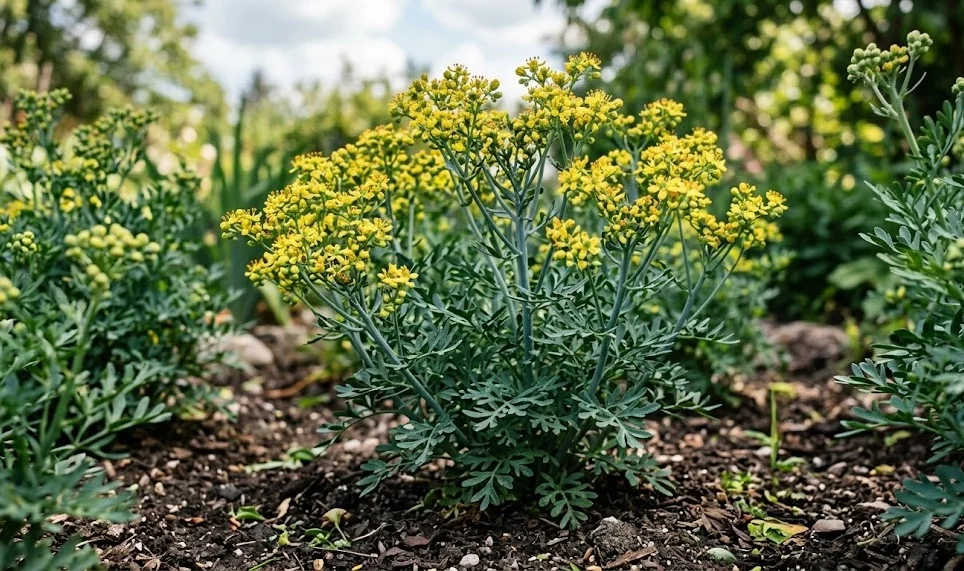

Common rue is celebrated for its natural resistance to many of the pests and diseases that plague other garden plants. The very oils that give it its distinctive, pungent aroma act as a powerful chemical defense system against a wide range of invaders. However, no plant is entirely immune to problems, especially when environmental conditions are not ideal. Understanding the potential threats and how to manage them is a key part of maintaining a professional-grade garden display.
Fungal issues are the most common diseases you might encounter, and they are almost always linked to moisture management. When the air is too humid or the soil is too wet, opportunistic fungi can take hold and damage the foliage or roots. These problems are often preventable through proper spacing and ensuring that the plant is in a sunny, well-ventilated location. Early detection is vital, as fungal infections can spread quickly if left unchecked during a damp season.
Pest issues with common rue are somewhat unique because the plant is a host for certain desirable insects while repelling others. For example, it is a primary food source for the caterpillars of several butterfly species, which some gardeners might mistake for a pest problem. Distinguishing between “beneficial” damage and a harmful infestation is an important skill for any horticultural enthusiast. For most common garden pests like aphids or beetles, rue is simply too bitter and toxic to be an attractive meal.
General sanitation and proactive health management are your best tools for keeping your rue plants thriving. By removing dead leaves, ensuring good air circulation, and avoiding overhead watering, you create an environment that is hostile to pathogens. A healthy, vigorous plant is much more capable of recovering from minor pest damage or a brief bout of mildew. Focusing on prevention through proper cultural practices will save you the trouble of using chemical interventions later on.
Fungal pathogens and leaf issues
The most frequent fungal problem for common rue is powdery mildew, which appears as a white, dusty coating on the leaves. This usually happens in the late summer when days are warm and nights are cool and damp. While it rarely kills the plant, it can significantly weaken it and ruin the aesthetic of the beautiful blue-green foliage. Improving the airflow around the plant by thinning out nearby vegetation is often enough to stop the mildew from spreading further.
More articles on this topic
Root rot is a much more serious fungal threat that occurs below the soil surface in poorly drained ground. Because it attacks the very foundation of the plant, by the time you see symptoms above ground, it may already be too late. The plant will often appear to be dying of thirst even though the soil is wet, as the rotted roots can no longer transport water. If you suspect root rot, you must immediately stop all watering and try to improve the drainage of the site.
Leaf spot is another fungal condition that can manifest as small, dark lesions on the foliage, often with a yellow halo. This is typically spread by water splashing from the soil onto the lower leaves during heavy rain or overhead irrigation. Removing the affected leaves and clearing away any debris from the base of the plant can help contain the infection. Keeping the foliage dry by watering only at the base of the plant is the most effective way to prevent leaf spot from recurring.
In very humid climates, rue can occasionally suffer from rust, which shows up as orange or brownish pustules on the underside of the leaves. Like other fungal issues, this is exacerbated by stagnant air and wet foliage. If rust becomes a persistent problem, you might need to move the plant to a more exposed, windier part of the garden. A light pruning to open up the center of the shrub can also help by increasing the rate at which the internal leaves dry out after a rain.
Identifying and managing insect pests
While rue is a natural insect repellent, it is famously the preferred nursery for the Giant Swallowtail butterfly. The caterpillars are large, dark, and look somewhat like bird droppings, which is a clever form of natural camouflage. While they can consume a significant amount of foliage, they are not true “pests” and should be tolerated by anyone who values garden biodiversity. The plant is usually robust enough to grow back quickly once the caterpillars move on to their pupal stage.
More articles on this topic
On rare occasions, you might find aphids clustering on the tender new growth in the early spring. These tiny, sap-sucking insects can cause the leaves to curl and become distorted if they are present in large numbers. However, because of the rue’s chemical properties, aphids usually don’t stay for long or cause significant damage. A strong blast of water from a garden hose is often all that is needed to dislodge them and protect the young stems.
Scale insects can sometimes be found clinging to the woody stems of older rue plants, looking like small, immobile bumps. They feed on the plant’s juices and can weaken it over time if the infestation is allowed to grow unchecked. Because scale insects have a protective waxy coating, they can be difficult to remove once established. Carefully scraping them off by hand or using a horticultural oil during the dormant season are the most effective ways to manage them.
Root-knot nematodes are microscopic worms that can live in the soil and attack the roots of many different plants, including rue. They cause galls or swellings on the roots, which interfere with the plant’s ability to take up water and nutrients. If your rue is stunted and yellowing despite perfect care, nematodes might be the hidden cause. Incorporating plenty of organic matter and practicing good garden hygiene can help keep nematode populations under control in your soil.
Biological and organic controls
When dealing with pests on common rue, it is always best to start with the most gentle and natural methods possible. Because the plant is so attractive to butterflies, using broad-spectrum chemical pesticides is highly discouraged. Instead, focus on attracting natural predators like ladybugs, hoverflies, and lacewings to your garden. These beneficial insects will naturally keep the populations of aphids and other small pests in check without harming the environment.
Neem oil is an excellent organic option for managing both fungal issues and soft-bodied insects like aphids. It works by disrupting the life cycle of the pests and preventing fungal spores from germinating on the leaf surface. However, you should always test a small area of the plant first, as the oily residue can sometimes cause sensitivity in the foliage. Apply neem oil in the early morning or evening to avoid the risk of leaf scorch under the midday sun.
Insecticidal soaps are another useful tool for managing minor pest outbreaks without leaving harmful residues behind. These soaps work on contact, so you must ensure that you spray both the tops and bottoms of the affected leaves. Like neem oil, soaps should be used sparingly and only when a genuine problem is identified. For a plant as hardy as common rue, manual intervention and environmental adjustments are usually more effective than any spray.
Hand-picking is often the simplest and most targeted way to deal with larger pests like scale or the occasional beetle. Because you will be touching the plant directly, this is the time when wearing gloves is most important to avoid skin irritation. By taking a few minutes each week to inspect your plants, you can catch most problems while they are still small. This hands-on approach builds a deeper connection with your garden and allows you to respond to its needs more accurately.
Environmental stress and physiological disorders
Not every problem you see on your rue is caused by a living organism; many issues are simply the result of environmental stress. Sunscald can occur if a plant that has been in the shade is suddenly exposed to intense, direct sunlight without a transition period. This looks like bleached or papery patches on the leaves and is a sign that the plant’s internal cooling system was overwhelmed. Providing a little temporary shade during the hottest part of the day can help the plant adapt to its new conditions.
Edema is a physiological condition that happens when the plant takes up water faster than it can use it, leading to small blisters on the leaves. This is most common during periods of cool, cloudy weather when the soil is very wet and humidity is high. While it looks alarming, it is not a disease and will usually resolve itself once the weather clears and the soil dries out. It is simply the plant’s way of dealing with an internal water imbalance caused by the environment.
Nutrient lockout is another non-disease issue where the plant cannot access the minerals in the soil because the pH is too far out of range. If your rue is yellowing and failing to grow despite having plenty of fertilizer, you should check the soil’s acidity or alkalinity. In very acidic soils, the plant may struggle to take up calcium and magnesium, leading to various growth problems. Adjusting the pH with a bit of lime is often the “cure” for what looks like a complicated disease.
Windburn can occur in very exposed sites, causing the edges of the leaves to turn brown and brittle. While common rue is generally wind-resistant, the constant buffeting of dry, cold winter winds can draw moisture out of the evergreen foliage faster than the roots can replace it. If this happens every year, consider providing a small windbreak or moving the plant to a slightly more sheltered location. This structural solution is much more effective than any chemical treatment for environmental damage.
Preventive health and sanitation practices
The foundation of a disease-free garden is meticulous sanitation, which means keeping the area around your rue clean and tidy. Fallen leaves and spent flowers can harbor fungal spores and provide hiding places for pests over the winter. By clearing this debris away in the autumn, you significantly reduce the chances of a problem starting in the spring. A clean garden is not just about aesthetics; it is a vital part of your plant’s integrated health management system.
Proper spacing is perhaps the single most important preventive measure you can take when planting your common rue. Giving each plant enough room to grow to its full size ensures that air can circulate freely through the foliage. This movement of air helps dry out the leaves after a rain and prevents the stagnant conditions that many fungi love. When plants are crowded together, they compete for resources and become more susceptible to every passing pest or disease.
Disinfecting your pruning tools is a professional habit that prevents the spread of pathogens from one plant to another. Before you start trimming your rue, wipe your shears with rubbing alcohol or a mild bleach solution. This is especially important if you have been working on a plant that you suspect might be diseased. Taking thirty seconds to clean your tools can save you from accidentally infecting your entire herb garden with a hidden problem.
Finally, regular observation is the key to maintaining a healthy and vibrant common rue specimen. Take a walk through your garden every few days and look closely at the foliage and stems of your plants. Catching a small patch of mildew or a few aphids early makes the treatment much simpler and more effective. By being an active and engaged gardener, you can ensure that your common rue remains a beautiful and hardy highlight of your landscape for many years.