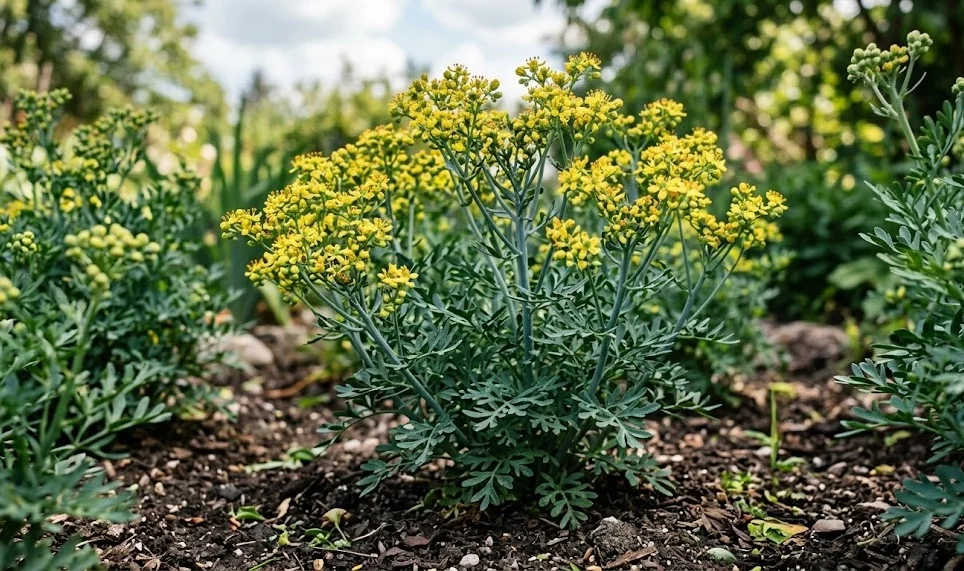

Properly managing the hydration and nutrient levels of common rue is a study in restraint and observation. This plant has evolved to survive in some of the most difficult, nutrient-poor environments in the Mediterranean region. As a result, its requirements are significantly different from the lush, thirsty perennials that many gardeners are used to. Mastery of these two aspects of care will prevent the most common causes of plant failure: overwatering and over-fertilizing.
Watering should always be approached with the understanding that common rue is naturally drought-tolerant once established. During its first growing season, it does need regular moisture to help its roots penetrate deep into the soil. However, once the plant has settled in, it rarely requires supplemental watering except during periods of extreme, prolonged drought. You should always let the soil dry out completely between watering sessions to mimic the natural cycle of its native habitat.
The symptoms of overwatering are often more dramatic and fatal than those of underwatering for this particular species. If the leaves start to turn yellow and the stems become soft or mushy at the base, it is a clear sign of too much moisture. This condition often leads to root rot, which is very difficult to reverse once it has taken hold of the plant. Professional growers often say that if you are in doubt about whether to water your rue, it is usually better to wait another day.
Fertilization is equally a matter of moderation, as common rue thrives in lean soils that would starve other garden plants. An excess of nitrogen can cause the plant to grow too quickly, leading to weak, floppy stems that cannot support their own weight. Furthermore, over-fertilized rue often loses its intense aromatic oils, which are its primary defense against pests. A minimalist approach to feeding ensures that the plant remains sturdy, fragrant, and true to its natural form.
The hydration cycle and timing
When you do water your common rue, the method you use is just as important as the frequency of the application. It is always better to water deeply and infrequently rather than providing shallow, daily sprinkles that only wet the surface. Deep watering encourages the taproot to grow further down into the earth, making the plant even more resilient to future dry spells. Aim the water at the base of the plant, avoiding the foliage as much as possible to prevent humidity-related issues.
More articles on this topic
The best time of day to water is in the early morning before the sun reaches its full intensity. This allows any accidental moisture on the leaves to dry quickly, reducing the risk of fungal infections or sunburn on the foliage. Watering in the evening can be risky because the damp soil and cool air create an ideal environment for mold and rot. Early morning hydration ensures the plant has the moisture it needs to withstand the heat of the day without staying wet overnight.
During the summer months, keep a close eye on the plant’s appearance for signs of true dehydration. While rue doesn’t wilt in the same way a hydrangea might, the leaves may take on a slightly duller or more greyish cast when the plant is stressed. If the soil is dry several inches down and the weather has been hot for weeks, a deep soaking will be beneficial. Always check the soil manually with your finger or a moisture meter before deciding to turn on the hose.
In the winter, the water needs of common rue drop to almost zero as the plant enters a semi-dormant state. If you live in an area with regular winter rainfall, you will likely never need to water your rue until the spring thaw. However, if the winter is exceptionally dry and the ground isn’t frozen, a light watering once a month can prevent the roots from completely desiccating. Be very careful during this time, as cold, wet soil is the fastest way to kill a dormant rue plant.
Impact of drainage on watering
Drainage and watering are two sides of the same coin when it comes to the health of common rue. If the soil drainage is poor, no amount of careful watering will keep the plant healthy over the long term. This is why incorporating grit, sand, or gravel into the planting hole is so highly recommended by expert gardeners. These materials create large pores in the soil that allow excess water to drain away rapidly, keeping the roots oxygenated and dry.
More articles on this topic
The location of the plant within your garden’s topography also dictates how much you should water. Plants located at the top of a slope or in a raised bed will dry out much faster than those in a low-lying area. You should adjust your watering schedule based on these micro-conditions rather than following a rigid calendar. A rue plant in a container will also require much more frequent watering than one in the ground, as pots lose moisture quickly from all sides.
Mulching with inorganic materials like stones can help regulate soil moisture without trapping too much humidity. This layer helps prevent the surface of the soil from baking into a hard crust, which can sometimes repel water when you finally do irrigate. It also keeps the crown of the plant clean and dry, which is vital for preventing the onset of rot. Using a stone mulch effectively creates a buffer that makes your watering efforts more efficient and less frequent.
If you suspect your soil is holding too much water, you can try to improve the situation without moving the plant. Carefully poking deep holes around the root zone with a garden fork can help improve aeration and drainage. However, you must be careful not to damage the main taproot while doing this, as that would cause more harm than good. Ultimately, the best way to handle a drainage issue is to address it thoroughly before the plant is ever put in the ground.
Soil enrichment and nutrient balance
Common rue is a plant that finds its strength in adversity, and its nutrient needs reflect this rugged nature. In most garden soils, the plant will find everything it needs without any help from the gardener at all. If the soil is exceptionally poor or rocky, you might see slower growth, but the plant will usually be healthier and more fragrant. The goal is not to create a lush, oversized plant, but to maintain a compact, hardy, and resilient specimen.
If you feel that your rue is struggling or needs a boost, the best approach is to use organic soil conditioners rather than synthetic fertilizers. A thin layer of well-aged compost applied to the soil surface in early spring is usually more than enough. This provides a slow-release source of nutrients that the plant can access as it needs them throughout the growing season. It also improves the overall structure of the soil without fundamentally changing its lean characteristics.
Mineral balance is sometimes more important than the primary macronutrients (Nitrogen, Phosphorus, and Potassium). Being a lime-loving plant, rue benefits from the presence of calcium in the soil, which helps strengthen its cell walls and improve stem rigidity. If your soil is very acidic, an occasional application of crushed eggshells or garden lime can be beneficial. These slow-acting minerals help mimic the rocky, alkaline cliffsides where rue naturally thrives in the wild.
Avoid using high-nitrogen fertilizers at all costs, as they are the biggest threat to the plant’s natural habit. Nitrogen encourages soft, green growth that is delicious to pests and susceptible to fungal diseases. It can also reduce the production of the essential oils that give rue its characteristic scent and medicinal properties. If you must use a commercial fertilizer, choose one with a low first number (Nitrogen) and use it at half the recommended strength.
Feeding schedules and seasonal timing
The timing of nutrient application is just as critical as the type of food you provide to your common rue. Any feeding should be done in the early spring, just as the new growth begins to appear from the base of the plant. This provides the necessary support for the season’s primary growth spurt without carrying over into the dormant period. Once the midsummer heat arrives, the plant’s growth slows down, and it no longer requires or benefits from additional nutrients.
Never fertilize your rue in the late summer or autumn, as this is a recipe for disaster in colder climates. Feeding late in the year stimulates the production of tender new stems that will not have time to harden off before the first frost. These soft stems will be killed by the cold, potentially leading to infections that can spread down into the main body of the plant. Stopping all nutrient input by mid-July ensures the plant can focus on maturing its existing structure for the winter.
For plants grown in containers, the feeding schedule needs to be a bit more structured but still very conservative. Because pots have a limited volume of soil, the nutrients can be washed out over time by regular watering. A very weak application of a balanced, water-soluble fertilizer once every two months during the growing season is usually sufficient. Always err on the side of under-feeding, as it is much easier to add more than to fix the problems caused by over-fertilization.
Always water the plant thoroughly before applying any type of fertilizer, whether it is organic or synthetic. Applying fertilizer to dry soil can cause “root burn,” as the concentrated nutrients pull moisture out of the plant’s tissues. By pre-moistening the ground, you ensure that the nutrients are diluted and can be absorbed safely by the root system. This small but important step is a hallmark of professional garden care and ensures the health of your rue.
Managing nutrient deficiencies and excess
Learning to read the leaves of your common rue will tell you everything you need to know about its nutritional status. A plant that is starved of nutrients will show very slow growth and may have leaves that are smaller than normal. However, if the leaves maintain their healthy blue-green color, the plant is likely perfectly fine and just growing at its natural pace. You should only intervene if the lack of growth is accompanied by a loss of color or overall vigor.
Yellowing leaves can be a sign of many things, but in terms of nutrients, it often indicates a lack of magnesium or iron. This is more common in very alkaline soils where these minerals become “locked” and unavailable to the plant. If you see yellowing between the veins of the leaves, a very light application of chelated minerals might solve the problem. However, always double-check that the yellowing isn’t actually being caused by overwatering before you add any supplements.
On the other hand, a plant that has been over-fed will often look too green and “leafy,” losing its characteristic silvery-blue hue. The stems may also become very long and thin, causing the plant to sprawl across the ground rather than standing upright. If you notice these signs, the best thing to do is to stop all feeding immediately and perhaps prune the plant back to encourage sturdier growth. It may take a season or two for the soil to return to the lean state that the rue prefers.
Ultimately, the most successful strategy for watering and fertilizing common rue is one of watchful neglect. By providing the plant with the right soil and location from the start, you minimize the need for ongoing intervention. A healthy rue plant is one that looks like it belongs in a wild, rocky landscape rather than a pampered flower bed. Trusting the plant’s natural resilience will result in a specimen that is both beautiful and long-lived in your garden.