
Properly managing the hydration and nutrient levels of this architectural perennial is essential for maintaining its lush, glossy appearance and structural integrity. While the species is known for its ability to withstand periods of dry weather once established, consistent moisture is the key to producing the most impressive foliage and flowers. Fertilization must also be handled with a professional touch, as over-enriching the soil can lead to excessive leaf growth at the expense of floral development. Achieving the right balance requires an understanding of the plant’s seasonal needs and the specific conditions of the local garden environment.
Watering strategies should be tailored to the age of the plant and the current phase of its growth cycle. Young specimens that have recently been added to the garden require frequent attention to ensure their developing roots do not dry out during the critical first season. Established plants, on the other hand, have deep taproots that can access moisture from lower soil layers, giving them a much higher degree of drought resistance. However, even the most mature plants will benefit from supplemental watering during prolonged heatwaves to prevent the large leaves from becoming parched and unattractive.
The timing of irrigation is just as important as the quantity of water provided to the root system. Watering in the early morning is generally considered the most effective practice, as it allows the foliage to dry quickly and provides the plant with hydration before the sun reaches its peak. Avoiding late evening watering can help prevent moisture from sitting on the leaves overnight, which can sometimes lead to environmental issues. A deep, thorough soaking once or twice a week is always preferable to light, daily sprinkles that do not reach the lower root zones.
Nutrient management involves a proactive approach to soil health rather than a reactive use of synthetic chemicals. Rich, organic-based fertilizers or well-rotted compost are the preferred choices for this species, as they provide a slow and steady release of essential elements. Excessive nitrogen should be avoided, as it can cause the plant to produce soft, floppy growth that is more susceptible to physical damage and environmental stress. By focusing on building a healthy soil ecosystem, the gardener ensures that the plant has access to everything it needs for long-term vitality.
Hydration basics and early growth
During the early spring, as the first shoots begin to push through the soil, the plant’s demand for water increases significantly. This initial burst of energy requires a steady supply of moisture to support the expansion of the large, intricate leaves. If the spring is particularly dry, providing supplemental water can help the plant establish its canopy more quickly and efficiently. Ensuring the soil stays consistently damp, but not waterlogged, creates the ideal conditions for this foundational growth phase.
More articles on this topic
As the weather begins to warm, the gardener must monitor the soil surface to gauge when the next watering session is necessary. A simple finger test can reveal whether the top few inches of soil have dried out, indicating that it is time to intervene. The goal is to maintain a stable environment where the roots never experience the stress of total dehydration. This consistency is especially important in gardens with sandy soils, which tend to lose moisture much faster than heavier clay or loam-based mediums.
For plants grown in containers, the watering requirements are even more demanding due to the limited volume of soil available. Pots can dry out rapidly in the sun, sometimes requiring daily checks during the peak of the summer. Using self-watering containers or adding water-retaining granules to the potting mix can help manage these needs more effectively. Regardless of the planting method, the key is to ensure that the water reaches the entire root ball rather than just running down the sides of the pot.
Mulching is a professional technique that serves as a vital partner to any watering routine. A thick layer of organic material, such as wood chips or leaf mold, acts as an insulating blanket that keeps the soil cool and reduces evaporation. This not only saves water but also creates a more temperate environment for the shallowest roots. By maintaining this protective layer, the gardener can reduce the overall frequency of irrigation while still keeping the plant perfectly hydrated.
Summer watering and heat management
When summer reaches its peak, the large surface area of the foliage becomes a major source of water loss through transpiration. On particularly hot days, it is common to see the leaves wilt slightly in the afternoon as the plant tries to conserve its internal moisture. This is a natural survival strategy and the leaves will usually recover their turgidity once the sun begins to set. However, if the leaves remain limp into the following morning, it is a clear sign that the plant’s water reserves are critically low and immediate action is required.
More articles on this topic
Deep watering is the most effective way to help the plant navigate the challenges of a hot, dry summer. By delivering a large volume of water slowly to the base of the plant, you ensure that the moisture penetrates deep into the ground where the main roots are located. This encourages the root system to grow downward rather than staying near the surface, which further improves the plant’s long-term drought tolerance. Using a soaker hose or a drip irrigation system is an excellent professional method for achieving this deep penetration without wasting water.
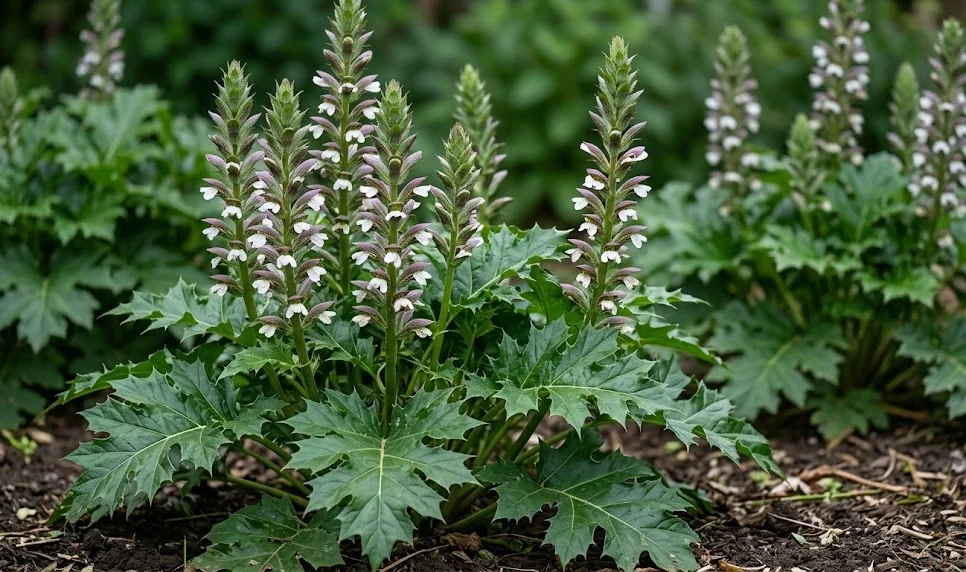
During the flowering period, the demand for hydration is at its highest as the plant supports the massive vertical spikes of blooms. A lack of water at this stage can result in smaller flowers or even the premature death of the entire spike. Providing extra attention to moisture levels during the weeks when the spikes are developing will ensure the most dramatic and long-lasting floral display. It is the difference between a specimen that simply survives and one that truly thrives as a garden centerpiece.
In regions with very high humidity, it is important to avoid getting water directly on the foliage during the heat of the day. Water droplets can act like tiny magnifying glasses, potentially causing scorch marks on the delicate leaf tissue under intense sunlight. Furthermore, keeping the leaves dry helps to maintain the plant’s aesthetic appeal and prevents the accumulation of mineral deposits from hard water. Precision watering at the soil level is always the best practice for maintaining the professional look of a high-end garden.
Nutrient requirements and soil enrichment
The nutritional needs of this perennial are relatively straightforward, focusing on a balanced intake of macro and micronutrients. It is a “heavy feeder” in the sense that it produces a large amount of biomass each year, which requires a significant amount of fuel from the soil. However, it is also a resilient plant that can find what it needs in most average garden soils if they are well-maintained. The primary goal of fertilization is to support the natural vigor of the plant without forcing unnatural or weak growth.
The best time to apply fertilizer is in the early spring, just as the new growth is starting to become visible. This provides the plant with a boost of energy right when it needs it most for foliage production. A balanced, slow-release granular fertilizer is often the easiest and most effective option for professional landscape maintenance. This type of product delivers a steady stream of nutrients over several weeks, matching the plant’s steady growth rate throughout the spring and early summer.
Incorporating well-rotted manure or garden compost into the soil around the base of the plant is another excellent way to provide nutrients. This organic approach not only feeds the plant but also improves the overall structure and biological activity of the soil. The microorganisms that thrive in compost-rich soil help to break down minerals into forms that are easily absorbed by the roots. Over time, this building of soil health reduces the need for synthetic inputs and creates a more sustainable garden environment.
Phosphorus and potassium are particularly important for the development of strong stems and vibrant flowers. While nitrogen drives the green growth of the leaves, these other elements ensure that the plant has the structural integrity to support its tall flower spikes. If a soil test reveals a deficiency in these areas, a specialized “bloom booster” fertilizer can be applied as the spikes begin to emerge. However, in most cases, a general-purpose organic fertilizer will be more than sufficient for a healthy specimen.
Fertilization cycles and application methods
Developing a consistent fertilization cycle helps to ensure that the plant never experiences a “hunger gap” during its most active months. After the initial spring feeding, a second, lighter application can be beneficial in early summer as the flowering period approaches. This supports the plant through its most energy-intensive phase and helps it maintain its foliage quality as the heat increases. After mid-summer, it is generally best to stop fertilizing to allow the plant to naturally slow down as it prepares for the coming autumn.
When applying granular fertilizers, it is important to spread the product evenly around the entire drip line of the plant rather than just at the base of the stems. The most active feeder roots are often located further out from the center, following the spread of the leaf canopy. After spreading the granules, they should be lightly scratched into the soil surface and then watered in thoroughly. This ensures that the nutrients begin to dissolve and move down into the root zone immediately.
Liquid fertilizers offer a faster way to deliver nutrients and can be useful if a plant is showing signs of immediate stress or deficiency. These can be applied as a soil drench or, in some cases, as a foliar spray if the product is designed for that purpose. However, liquid feeds are much more temporary than granular versions and will need to be reapplied more frequently. For a low-maintenance perennial like this one, they are usually reserved for specific corrective actions rather than a primary feeding strategy.
Professional gardeners always keep an eye out for signs of over-fertilization, which can be just as damaging as a lack of nutrients. If the leaves become excessively large and dark green but the plant fails to flower, it may be receiving too much nitrogen. In some cases, high levels of fertilizer salts can build up in the soil, leading to brown, crispy edges on the leaves. If this is suspected, flushing the soil with a large volume of plain water can help to wash away the excess salts and restore balance.
Signs of imbalance and corrective actions
Learning to read the visual cues provided by the plant is one of the most important skills for managing its watering and feeding. Yellowing leaves can indicate a variety of issues, ranging from over-watering and root rot to a simple lack of nitrogen. By examining the pattern of the yellowing—whether it starts at the edges or between the veins—you can often narrow down the likely cause. Taking the time to observe these changes allows for quick interventions that prevent long-term damage to the plant’s health.
If the plant appears stunted and the leaves are smaller than usual, it may be struggling with both a lack of water and poor soil nutrition. In such cases, the first priority should be to establish a consistent watering routine to help the roots recover their function. Once the plant shows signs of regaining its turgidity, a light application of a balanced liquid fertilizer can provide the jump-start it needs. It is always better to start with a weak solution and gradually increase the strength as the plant responds.
Iron chlorosis is another potential issue, especially in gardens with alkaline soil where iron becomes difficult for the roots to absorb. This typically manifests as yellow leaves with prominent green veins, creating a very distinct and unattractive pattern. Adding chelated iron to the soil or applying a foliar spray can quickly correct the visual symptoms. Long-term management of the soil pH through the addition of organic matter is the best way to prevent this issue from recurring every year.
Ultimately, the goal of a watering and fertilization program is to create a self-sustaining and resilient specimen. By paying close attention to the plant’s needs during its first few years, you help it build the deep root system and internal reserves it needs for the future. A well-fed and perfectly hydrated perennial will reward the gardener with decades of architectural beauty and stunning floral displays. It is a testament to the fact that professional-level care leads to professional-level results in any landscape.