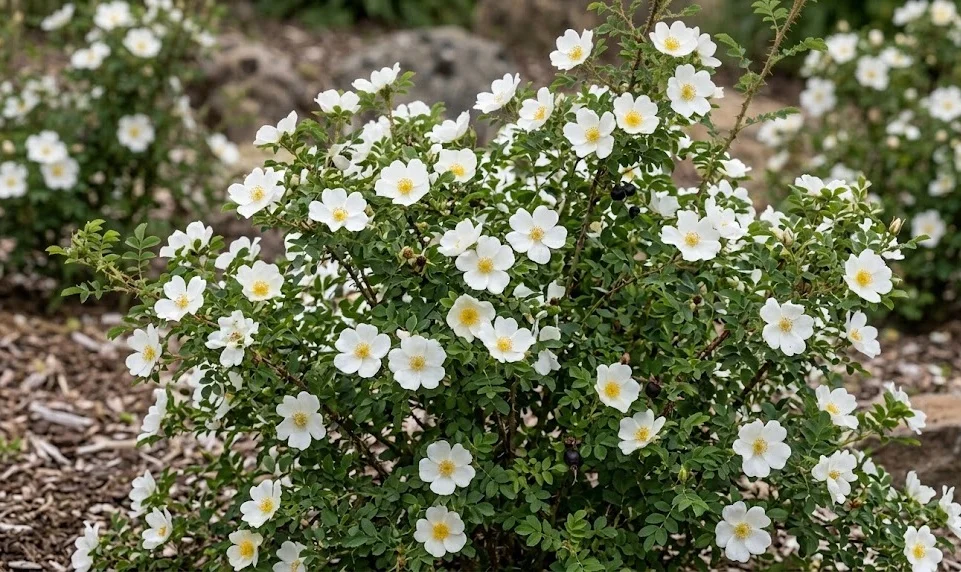

Protecting the burnet rose from various pathogens and insects is a vital part of maintaining a beautiful and healthy garden landscape. Although this species is remarkably resilient compared to many ornamental roses, it is not entirely immune to environmental pressures. Identifying the early signs of trouble and knowing how to respond can mean the difference between a minor issue and a major infestation. This guide provides professional insights into the most common challenges you might face and how to manage them effectively.
Fungal pathogens
Black spot is one of the most common fungal issues that can affect many rose varieties, including the burnet rose. It appears as dark, circular spots on the leaves, which eventually turn yellow and drop prematurely. While the burnet rose is generally more resistant, high humidity and poor airflow can create a hospitable environment for the spores. Removing infected leaves and ensuring proper spacing between plants are the best preventative measures you can take.
Powdery mildew is another frequent fungal visitor that manifests as a white, flour-like coating on the leaves and young stems. It usually occurs when the days are warm and the nights are cool and damp. This fungus can distort the growth of the plant and reduce its overall aesthetic appeal. Improving the air circulation around the shrub and watering only at the base can help keep this problem at bay.
Rust is a fungal disease that is easily identified by the bright orange or yellow pustules that form on the underside of the leaves. As the infection progresses, these spots turn black and can cause significant defoliation if left untreated. Rust thrives in moist conditions, so keeping the foliage dry is a critical part of management. If you notice signs of rust, it is important to prune away the affected parts and dispose of them far from the garden.
Stem cankers are localized areas of dead tissue on the branches that can be caused by various fungal or bacterial organisms. They often enter through wounds caused by improper pruning or physical damage from winter weather. Cankers can girdle a stem, cutting off the flow of nutrients and water to the rest of the branch. Regular inspection and clean pruning practices are the primary defenses against this destructive health issue.
More articles on this topic
Common insect threats
Aphids are small, soft-bodied insects that often cluster on the tender new growth and flower buds of the rose. They suck the sap from the plant, which can lead to distorted leaves and a sticky substance called honeydew. This honeydew can then attract ants and encourage the growth of sooty mold, further stressing the plant. A strong blast of water from a garden hose is often enough to dislodge these pests without the need for chemicals.
Spider mites are tiny arachnids that are difficult to see with the naked eye but leave clear signs of their presence. They produce fine webbing on the underside of leaves and cause a stippled, bronzed appearance on the foliage. These pests thrive in hot, dry conditions where the plant might already be slightly stressed. Maintaining proper hydration and occasional misting of the foliage can make the environment less attractive to these destructive mites.
Rose slugs, which are actually the larvae of sawflies, can quickly skeletonize the leaves of your burnet rose. They feed on the soft tissue between the veins, leaving behind a translucent or brown lace-like pattern. Early detection is key, as these larvae can cause a lot of damage in a very short amount of time. Handpicking them or using an insecticidal soap can effectively control their population before they spread.
Scale insects are small, stationary pests that look like tiny bumps on the stems and branches of the shrub. They protect themselves with a hard outer shell, making them resistant to many common contact sprays. Scale can weaken the plant over time by draining its internal resources and spreading diseases. Using a horticultural oil during the dormant season is a professional way to manage scale by suffocating the overwintering insects.
More articles on this topic
Preventive strategies
The best way to manage diseases and pests is to prevent them from becoming established in the first place. Selecting a planting site with excellent sun exposure and drainage is the foundation of a healthy plant. Strong, well-nourished roses have a natural ability to resist attacks and recover more quickly from any damage. Avoiding excessive nitrogen fertilization also helps, as pests are often attracted to the soft, lush growth it produces.
Sanitation is a critical part of any pest and disease management program in the professional garden. Always clean your pruning tools with alcohol or a bleach solution between plants to avoid spreading pathogens. Removing and destroying any diseased plant material immediately prevents the problem from moving to healthy parts of the garden. Keeping the ground around your roses free of debris also eliminates hiding spots for many common insects.
Encouraging biodiversity in your garden provides a natural system of checks and balances for pest populations. Planting a variety of flowering species attracts beneficial insects like ladybugs, lacewings, and hoverflies. These natural predators will do much of the work for you by feeding on aphids and other harmful insects. A garden that supports a wide range of life is inherently more stable and easier to maintain in the long run.
Monitoring your plants regularly is the most effective tool in your preventive arsenal. Take a few minutes each week to look closely at the leaves, stems, and buds for any unusual changes. Catching a problem in its early stages allows for much simpler and less invasive treatment options. Knowledge of your plants’ normal appearance is the first step in recognizing when something is wrong.
Organic treatment options
If a problem does arise, there are many effective organic treatments that are safe for the environment and the gardener. Neem oil is a versatile product that acts as both a fungicide and an insecticide. It is particularly useful for managing powdery mildew and a wide range of soft-bodied insects. Always apply these products in the early morning or late evening to avoid harming bees and other pollinators.
Insecticidal soaps are another excellent tool for managing pest outbreaks without harsh chemicals. These soaps work by breaking down the outer membranes of insects like aphids and mites. They must come into direct contact with the pests to be effective, so thorough coverage is essential. Because they have no residual effect, they are very safe for beneficial insects that arrive after the treatment has dried.
Baking soda sprays can be a simple and effective home remedy for preventing the spread of fungal spores. Mixing a small amount of baking soda with water and a drop of dish soap creates a solution that changes the pH on the leaf surface. This makes it much harder for fungi like black spot to gain a foothold on the foliage. Professional versions of these potassium bicarbonate sprays are also available for more serious issues.
Bacillus thuringiensis, or Bt, is a natural bacteria that specifically targets the larvae of many pest insects. It is a highly selective treatment that does not harm humans, pets, or beneficial insects. Using Bt is an effective way to manage sawfly larvae and other caterpillars that might be feeding on your roses. Integrating these organic methods into your care routine ensures a healthy garden that remains in harmony with nature.
Identification and diagnosis
Accurate identification of a problem is the first step toward finding the right solution. Many different issues can cause similar symptoms, such as yellowing leaves or stunted growth. It is important to look for specific signs like the presence of insects, the pattern of leaf spots, or the texture of fungal growth. If you are unsure, consulting with a local extension office or a professional nursery can provide clarity.
Taking high-quality photographs of the affected areas can help when seeking advice from experts. Make sure to capture both the top and bottom of the leaves, as well as the transition between healthy and diseased tissue. Note any recent changes in the weather or your maintenance routine that might have contributed to the problem. The more information you can provide, the more accurate the diagnosis will be.
Sometimes what looks like a disease is actually a sign of environmental stress or nutritional deficiency. For example, iron chlorosis causes yellowing leaves that can be mistaken for a viral infection. Scorched leaf edges might look like a fungal blight but could simply be the result of wind or salt damage. Always rule out these abiotic factors before deciding on a chemical or organic treatment plan.
Understanding the life cycle of common pests and diseases helps you time your interventions for maximum impact. Many fungi are most active in the spring, while certain insects may only appear for a few weeks in the summer. By knowing when to expect certain challenges, you can be proactive rather than reactive. Professional gardeners use this knowledge to maintain their plants in peak condition throughout the entire year.