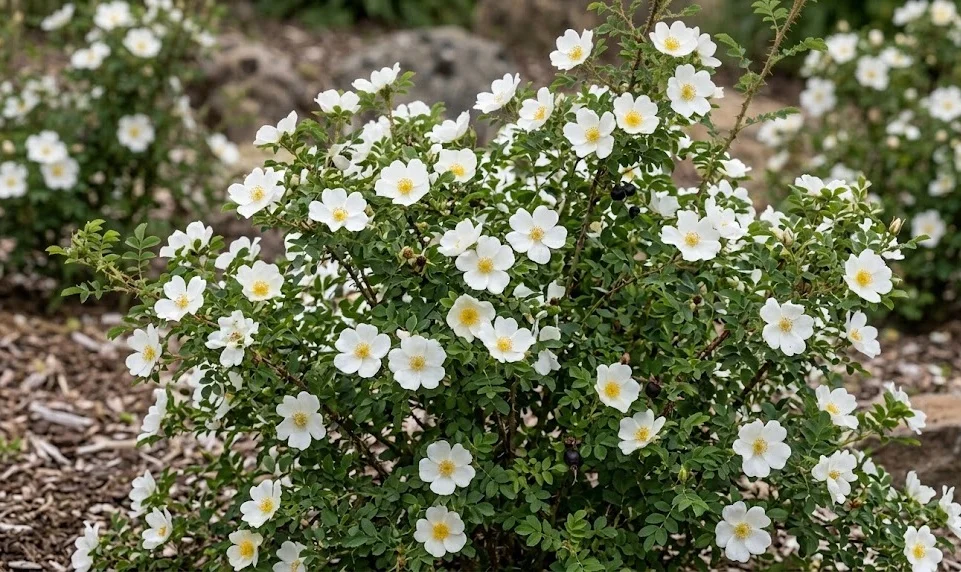

Ensuring the survival of the burnet rose through the coldest months is a task that requires both preparation and an understanding of plant physiology. This species is naturally equipped with a high degree of cold tolerance, making it an excellent choice for northern climates. However, even the hardiest plants can benefit from a few strategic interventions to protect them from extreme weather events. This article outlines the essential steps for successfully overwintering your shrubs to ensure they return with vigor in the spring.
Autumn preparation
The process of overwintering begins long before the first snowflake falls by properly managing the plant’s growth in late summer. As the days shorten, you should stop applying any nitrogen-rich fertilizers that might encourage new, tender growth. This allows the rose to focus on hardening its current stems and storing essential sugars in its root system. A well-hardened plant is far more capable of withstanding the sub-zero temperatures of a typical winter.
Reducing the frequency of watering in the late autumn also helps signal the plant to enter its dormant state. The goal is to keep the soil slightly moist but never waterlogged as the temperatures begin to drop. Overly wet soil during the transition to winter can lead to root rot and other issues that weaken the plant. Professional gardeners often use this time to conduct a final thorough weeding to remove any competitors for resources.
Cleaning up the area around the base of the shrub is a crucial step for preventing diseases from overwintering. Fallen leaves and other organic debris can harbor fungal spores and insect eggs that will emerge in the spring. Raking this material away and either composting it or disposing of it off-site is a best practice. This simple act of sanitation significantly reduces the pest pressure your rose will face in the following growing season.
Finally, take the time to inspect the structural integrity of the shrub before the heavy winds of winter arrive. Any excessively long or weak branches should be slightly shortened to prevent them from whipping around and causing damage. This is not the time for a heavy pruning, but rather a strategic thinning to improve the plant’s profile. A compact and sturdy shrub is less likely to suffer from broken stems due to snow or ice accumulation.
More articles on this topic
Root protection methods
The root system is the most vital part of the plant, and protecting it from extreme temperature fluctuations is essential. Applying a thick layer of mulch around the base of the rose is the most effective way to insulate the soil. This layer should be about three to four inches deep and extend out to the drip line of the branches. Materials like wood chips, straw, or shredded bark are all excellent choices for providing this necessary thermal barrier.
Mulching not only keeps the roots warmer in the winter but also helps to retain moisture during dry, cold spells. It prevents the soil from undergoing rapid freeze-thaw cycles, which can actually heave the plant out of the ground. This “frost heaving” is particularly dangerous for younger roses that have not yet established a deep and extensive root network. A stable soil temperature is one of the keys to a successful overwintering strategy.
In areas with exceptionally harsh winters, some gardeners choose to “hill up” the base of their roses with extra soil. This involves creating a mound of earth around the crown of the plant to provide an extra layer of protection. This mound should be carefully removed in the early spring once the threat of deep freezes has passed. While the burnet rose is very hardy, this extra step can provide peace of mind during a record-breaking winter.
Ensuring that the plant is well-hydrated before the ground freezes is another form of root protection. Dry roots are far more susceptible to cold damage than those that have a healthy level of internal moisture. If the autumn has been particularly dry, give the shrub one last deep watering before the first hard frost. This moisture will be locked in the soil and provide a slow-release source of hydration for the dormant roots.
More articles on this topic
Structural protection techniques
While the burnet rose is a low-growing shrub, its stems can still be vulnerable to physical damage from the elements. In very windy locations, a temporary windbreak made of burlap or lattice can provide significant protection. This reduces the desiccating effect of cold winter winds, which can dry out the stems even when the plant is dormant. A simple structure can make a huge difference in the amount of dieback you see in the spring.
Heavy snow can be both a blessing and a curse for overwintering shrubs. While a layer of snow acts as an excellent natural insulator for the roots and lower branches, a heavy accumulation can break the stems. If you notice a dangerous amount of snow building up on the plant, gently brush it off using a broom. Be very careful not to shake the branches too vigorously, as frozen wood is brittle and snaps easily.
Ice storms are perhaps the most challenging winter event for any garden plant. The weight of accumulated ice can bend branches to the breaking point and cause significant structural damage. If your roses become encased in ice, it is usually best to let it melt naturally rather than trying to chip it away. Attempting to remove ice manually often causes more harm to the delicate bark than the ice itself would have.
For roses grown in containers, the overwintering process is slightly different and requires more active management. Pots are much more exposed to the cold than the ground, so they can freeze completely through very quickly. Moving the containers to a sheltered spot, such as an unheated garage or against a south-facing wall, can provide the necessary protection. You can also wrap the pots in bubble wrap or burlap to add an extra layer of insulation.
Spring reawakening
As the temperatures begin to rise and the days get longer, it is time to slowly transition the plant out of its winter protection. Remove any temporary windbreaks or protective coverings to allow more light and air to reach the shrub. This should be done gradually to avoid shocking the plant with sudden changes in its environment. Keeping a close eye on the local weather forecast will help you time this perfectly.
Pulling back the mulch from the immediate base of the stem is important once the ground has thawed. This prevents the crown from staying too wet and allows the soil to warm up more quickly in the sun. You can leave the rest of the mulch in place to continue suppressing weeds and retaining moisture throughout the spring. This is also a good time to refresh the mulch layer with a little bit of new material if it has thinned out.
The first signs of growth are always an exciting moment for any gardener. You will see the buds swelling and the first hint of green appearing on the stems as the sap begins to flow. This is the ideal time to perform a light cleanup pruning to remove any tips that may have suffered from winter dieback. Cutting back to a healthy, outward-facing bud will encourage the plant to grow in a balanced and productive way.
Finally, providing a gentle spring feeding will help the rose recover from the winter and start the new season with vigor. Use a balanced organic fertilizer to provide the necessary nutrients for the coming flush of growth. As the burnet rose wakes up, your consistent care through the winter will be rewarded with a healthy and beautiful display. Patience and observation are the final ingredients for a successful transition back into the active gardening year.