
Maintaining the health of the burnet rose requires a thorough understanding of its natural habitat and growth habits. This hardy deciduous shrub is celebrated for its ability to withstand challenging conditions while remaining visually striking. To achieve the best results, gardeners must pay close attention to the specific environmental factors that influence its development. Professional care routines ensure that the plant remains vibrant and productive throughout the entire growing season.
Foundations of rose health
The overall vigor of the shrub depends heavily on the consistency of care provided during the initial years of establishment. It is important to observe the leaf color and stem strength as indicators of the plant’s current state. Any deviations from the vibrant green foliage might suggest an underlying issue with nutrients or moisture. Consistent monitoring allows for quick interventions that prevent minor stress from becoming a significant health problem.
Soil aeration is a critical component that often goes overlooked by novice gardeners. Compacted soil restricts oxygen flow to the root system, which can lead to stunted growth and reduced blooming. Using a garden fork to gently loosen the earth around the base can improve the air exchange significantly. This simple practice promotes a robust root structure capable of supporting the dense canopy of the rose.
Mulching provides a secondary layer of protection and nutrient regulation for the plant. Organic materials like bark chips or compost help to maintain a stable soil temperature throughout the fluctuating seasons. This layer also suppresses weed growth, which reduces competition for essential resources in the immediate root zone. Properly applied mulch acts as a slow-release source of organic matter as it decomposes over time.
Soil and ground management
The burnet rose prefers well-drained soil that does not hold excess moisture for extended periods. Sandy or loamy soils are ideal because they allow the roots to breathe while still providing necessary stability. If the ground is naturally heavy with clay, it is advisable to incorporate organic matter or sand to improve the texture. Professional assessments often show that soil pH should remain slightly acidic to neutral for optimal mineral uptake.
More articles on this topic
Ground cover around the base of the shrub should be managed to prevent the buildup of pathogens. Removing fallen leaves and debris during the autumn months reduces the chances of fungal spores overwintering in the soil. Clean ground conditions facilitate better airflow around the lower branches of the plant. This practice is essential for maintaining a sterile environment that supports long-term health and reduces disease pressure.
Nutrient availability is directly linked to the chemical composition and biological activity of the soil. Encouraging beneficial microorganisms through the addition of high-quality compost can enhance the soil structure. These organisms break down complex materials into forms that the rose can easily absorb through its root hairs. A balanced soil ecosystem is the most sustainable way to feed a growing shrub throughout its life cycle.
The physical stability of the planting site ensures that the rose can withstand high winds and heavy rains. Ensuring that the soil is firm but not compacted around the main stem prevents the plant from shifting. If the rose is planted on a slope, additional measures might be needed to prevent soil erosion. Building a small basin around the base can help direct water toward the roots while keeping the soil in place.
Seasonal care cycles
Spring marks the beginning of the active growth phase when the plant requires the most attention. As the temperatures rise, the buds will begin to swell and the first leaves will emerge from the stems. This is the perfect time to assess the overall structure and remove any winter damage that may have occurred. Providing a gentle boost of nutrients at this stage supports the rapid development of new shoots and flowers.
More articles on this topic
Summer care focuses primarily on maintaining hydration and managing the intense heat of the midday sun. While this species is relatively drought-tolerant, consistent moisture levels help to prolong the blooming period. Removing spent flowers, a process known as deadheading, encourages the plant to direct its energy into root development rather than seed production. This practice also keeps the shrub looking neat and tidy during the peak of the garden season.
Autumn is a period of transition where the plant prepares for its dormant state. Reduced watering and a complete halt to fertilization are necessary to allow the wood to harden before the first frost. This is also the time when the decorative hips begin to ripen, providing visual interest and food for local wildlife. Gardeners should use this time to clear away any remaining weeds and prepare the mulching layer for winter.
Winter care is mostly passive but involves protecting the plant from extreme environmental stress. Ensuring that the soil does not become waterlogged during the rainy months is crucial for root survival. In areas with particularly harsh climates, additional windbreaks or protective coverings might be considered. The dormant season is the best time for deep reflection on the past year’s growth and planning for future improvements.
Health and vigor monitoring
Regular inspections of the foliage can reveal early signs of nutritional deficiencies or environmental stress. Yellowing leaves with green veins often indicate a lack of iron or magnesium in the soil. Conversely, leaves that appear scorched at the edges may be a sign of salt buildup or dehydration. Addressing these visual cues immediately prevents the plant from entering a state of decline that is hard to reverse.
The strength and flexibility of the stems provide clues about the internal hydration and structural integrity of the rose. Healthy stems should be firm to the touch and show no signs of shriveling or discoloration. Brittle wood that snaps easily might suggest that the plant is not receiving enough water or is suffering from a systemic issue. Observing the thickness of new growth helps in evaluating the effectiveness of the current fertilization program.
Flower production is a primary indicator of the plant’s overall success in its current environment. A sudden drop in the number of blooms or the size of the flowers can point to a lack of sunlight or energy. It is important to compare the current year’s performance with previous seasons to identify long-term trends. Consistently high-quality blooms are the hallmark of a well-maintained burnet rose that is thriving in its location.
Root health is more difficult to monitor but can be inferred from the stability and growth rate of the shrub. A plant that seems loose in the ground or stops growing entirely may have issues beneath the surface. Investigating the root zone should be done carefully to avoid damaging the delicate structures that absorb water. Healthy roots should be white or light tan and spread out evenly in all directions from the crown.
Aesthetic management
The burnet rose is prized for its wild and natural appearance, which adds a unique texture to the garden. Managing its growth involves balancing the plant’s natural tendency to spread with the desired layout of the landscape. Strategic thinning of the branches can open up the center of the shrub to allow more light to reach the interior. This not only improves the look of the plant but also enhances its biological health.
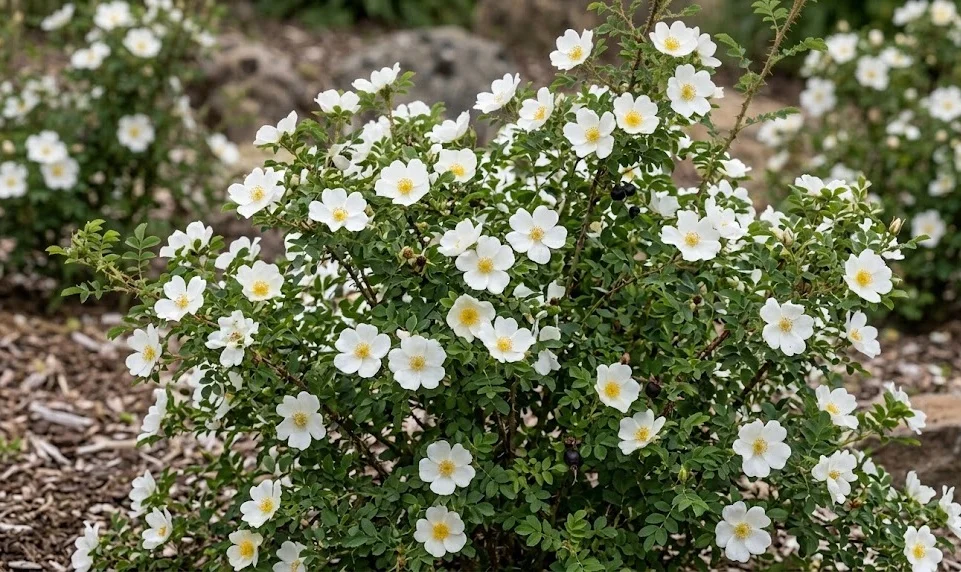
Color coordination within the garden helps to highlight the delicate white or cream-colored petals of this rose species. Planting darker-foliaged shrubs in the background can provide a stunning contrast that makes the blooms pop. The transition from summer flowers to autumn hips adds a dynamic element to the garden’s color palette. Choosing companion plants that share similar care requirements simplifies the overall maintenance of the garden bed.
The height and spread of the burnet rose must be managed to ensure it does not overwhelm neighboring plants. Regular shaping prevents the shrub from becoming leggy or unkempt over time. Using sharp, clean tools for any aesthetic adjustments ensures that the cuts heal quickly and do not invite disease. A well-proportioned shrub serves as a structural anchor in the garden design throughout the year.
The texture of the foliage, characterized by its small and numerous leaflets, offers a fine-grained look compared to other rose varieties. Maintaining this texture requires keeping the leaves free from dust and debris that can accumulate in urban environments. Occasional rinsing with a gentle spray of water can refresh the appearance of the foliage. This simple act of cleaning also helps the plant photosynthesize more efficiently by removing barriers to sunlight.
Resilience building
Building resilience starts with choosing the right location that mimics the plant’s natural coastal or moorland habitats. Plants that are grown in their preferred conditions are naturally more resistant to common stressors. This inherent strength reduces the need for chemical interventions and intensive management practices. Providing a stable environment allows the rose to focus its resources on growth and reproduction.
Controlled exposure to environmental changes can actually strengthen the plant over time. Allowing the rose to experience natural temperature fluctuations helps it develop a better internal regulation system. Hardier plants are those that have been allowed to adapt to their local climate without being overly pampered. This approach results in a shrub that can survive unexpected weather events with minimal damage.
Genetic diversity within a garden can also contribute to the resilience of individual plants. If you are planting multiple burnet roses, sourcing them from different growers can introduce varied traits. Some individuals may be more resistant to specific pests, while others might handle drought better. A diverse population of plants creates a more stable and self-sustaining garden ecosystem.
Proper hydration strategies play a significant role in building a deep and resilient root system. Watering deeply but infrequently encourages the roots to grow further down into the soil to find moisture. Shallow watering leads to a weak root system that is highly susceptible to heat and drying winds. A deep-rooted plant is far more capable of surviving a dry summer without significant loss of foliage or health.
Long-term sustainability
Sustainability in rose care involves minimizing the use of synthetic fertilizers and pesticides. Relying on organic matter and natural pest control methods protects the soil health and local biodiversity. This approach creates a garden that can maintain its beauty without constant human interference. Over time, the soil becomes richer and more capable of supporting the rose through natural biological processes.
Water conservation is an essential part of a sustainable gardening practice, especially in regions with limited rainfall. Utilizing rain barrels to collect water for the garden reduces the reliance on treated municipal supplies. Mulching, as mentioned before, is another critical tool for reducing water loss through evaporation. These practices ensure that the garden remains a beautiful space without placing an undue burden on natural resources.
The long-term health of the burnet rose is also tied to the health of the surrounding environment. Encouraging beneficial insects like ladybugs and predatory wasps helps to keep pest populations in check naturally. Avoiding broad-spectrum chemicals ensures that these helpful allies remain active in your garden. A balanced ecosystem is the best defense against many of the problems that plague modern landscapes.
Finally, documentation and learning are key to the sustainable management of any plant species. Keeping a garden journal of when the rose blooms, any issues encountered, and the success of various treatments provides valuable data. This information helps in making informed decisions for the future care of the plant. Sharing this knowledge with other enthusiasts contributes to the collective understanding of how to best care for this beautiful species.