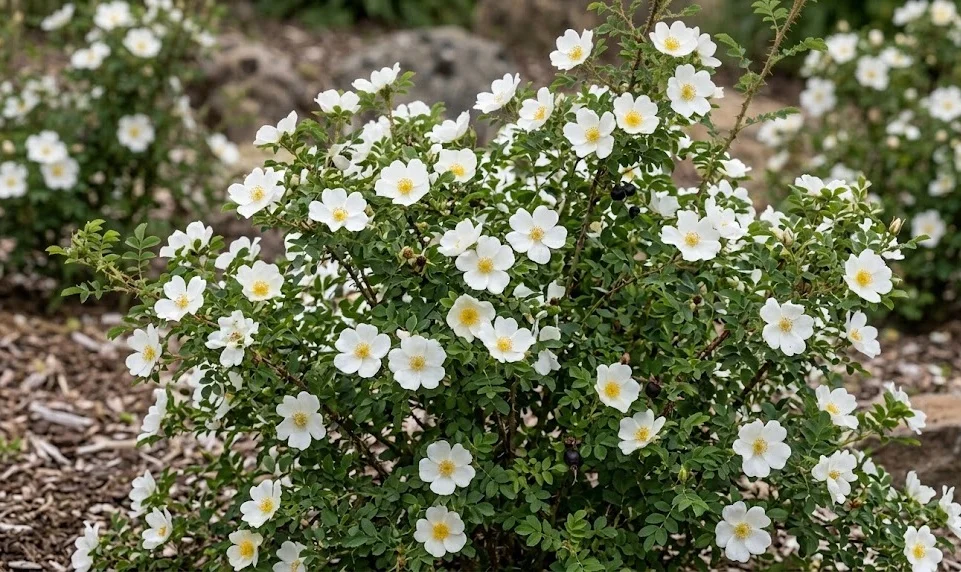

Proper hydration and nutrient management are the twin pillars of success when growing the burnet rose in a professional or home garden. While this species is famous for its rugged nature and ability to survive in harsh environments, it truly flourishes when given consistent care. Understanding the balance between providing enough resources and avoiding the pitfalls of over-management is essential for any serious horticulturist. This article explores the best practices for feeding and watering this unique shrub to ensure a spectacular display every year.
Establishing hydration routines
Watering is most critical during the first two growing seasons after the burnet rose has been planted. During this time, the root system is still expanding and lacks the depth to tap into deeper soil moisture reserves. It is important to water deeply at the base of the plant rather than giving it frequent shallow sprays. This technique encourages the roots to grow downward, creating a more drought-resistant plant in the future.
The frequency of watering should be adjusted based on the specific soil type and local weather conditions. Sandy soils drain quickly and will require more frequent attention than heavier clay-based soils. A simple finger test can help determine if the plant needs water; if the top two inches of soil are dry, it is time to hydrate. Maintaining a regular schedule helps prevent the plant from experiencing the stress of extreme wet-dry cycles.
Early morning is the ideal time to water your roses because it allows the foliage to dry before evening. This reduces the risk of fungal infections which thrive in cool, damp conditions overnight. If you must water in the evening, be sure to apply the water directly to the soil and avoid getting the leaves wet. Using a soaker hose or a drip irrigation system is a highly efficient way to deliver water precisely where it is needed.
During periods of extreme heat or prolonged drought, even established burnet roses may need a supplemental drink. You will notice the leaves starting to lose their luster or drooping slightly when the plant is under water stress. Providing a slow, deep soak once a week during these times can prevent the plant from going into a premature dormancy. Observation is the best tool for knowing exactly when the natural rainfall is not sufficient for the plant’s needs.
More articles on this topic
Seasonal water requirements
Springtime brings renewed growth and an increased demand for moisture as the plant produces new leaves and flower buds. As the soil warms up and the days get longer, the transpiration rate of the rose increases significantly. Ensuring the soil stays consistently moist during this phase supports the development of large, healthy blooms. If the spring is particularly dry, don’t wait for the plant to show signs of stress before you start your watering routine.
In the summer, the focus shifts to maintaining the health of the plant during the peak temperatures of the year. The burnet rose is well-adapted to coastal dunes and rocky slopes, so it can handle more sun than many other rose varieties. However, the energy required to produce hips and maintain foliage in the heat is substantial. Consistent watering helps the plant stay cool through the process of evaporation from its leaves.
As autumn approaches, it is time to gradually reduce the amount of water the plant receives. This signals to the shrub that the growing season is coming to an end and it should start preparing for winter. Over-watering in late autumn can encourage soft new growth that is easily damaged by the first hard frost. The goal is to keep the roots hydrated without stimulating the plant into an active growth state.
During the winter months, supplemental watering is rarely necessary unless you are experiencing an exceptionally dry winter. If the ground is not frozen and there has been no rain for several weeks, a light watering can prevent the roots from drying out completely. This is especially important for young plants that have not yet developed an extensive root network. Generally, natural precipitation is enough to sustain the dormant rose until the following spring.
More articles on this topic
Nutrient needs and soil enrichment
The burnet rose is not a heavy feeder compared to modern hybrid tea roses, but it still benefits from a strategic fertilization plan. The primary goal of feeding should be to maintain the natural fertility of the soil rather than forcing excessive growth. A balanced, slow-release organic fertilizer is usually the best choice for providing a steady supply of nutrients. This approach supports the long-term health of the soil and the plant simultaneously.
Nitrogen is essential for leaf and stem development, while phosphorus and potassium support root growth and flower production. Using a fertilizer specifically formulated for roses can ensure that these macronutrients are provided in the correct proportions. It is also important to consider micronutrients like iron and manganese, which are vital for chlorophyll production. A soil test every few years can help you identify exactly what your garden might be lacking.
Organic matter in the form of well-rotted manure or garden compost is an excellent natural fertilizer. Spreading a thin layer of compost around the base of the shrub in the spring provides a gentle nutrient boost. This material also improves the soil structure and enhances its ability to hold onto moisture. Over time, the decomposition of organic matter creates a rich, living soil that is ideal for all types of garden plants.
Avoiding over-fertilization is just as important as providing enough nutrients for the rose. Excessive nitrogen can lead to lush, soft growth that is highly attractive to pests like aphids and more susceptible to disease. It can also inhibit the production of flowers, as the plant focuses all its energy on foliage. Professional gardeners always follow the application rates recommended on the product labels to avoid these common issues.
Timing the application
The first application of fertilizer should happen in the early spring just as the new growth begins to appear. This provides the necessary energy for the plant to break dormancy and start the season with vigor. If you are using a slow-release product, this may be the only feeding the plant needs for the entire year. For more active feeding programs, a second lighter application can be made after the main flush of flowers has finished.
It is crucial to avoid fertilizing too late in the summer or into the autumn months. Any new growth stimulated at this time will be tender and likely to be killed by the coming winter cold. The plant needs time to harden its wood and store energy in its roots for the dormant period. A general rule is to stop all fertilization at least six to eight weeks before the average date of the first frost in your area.
When applying granular fertilizers, always make sure the soil is already moist before you begin. Applying chemicals to dry soil can cause root burn and prevent the plant from effectively absorbing the nutrients. After spreading the granules, water the area thoroughly to help dissolve the fertilizer and move it down into the root zone. This ensures that the nutrients are immediately available to the plant and reduces the risk of surface runoff.
Foliar feeding, where a liquid fertilizer is sprayed directly onto the leaves, can be used for a quick nutrient boost. This method is particularly effective if the plant is showing signs of a specific deficiency that needs immediate correction. However, foliar feeding should not replace soil-based fertilization as the primary method of nutrition. It is best used as a supplement during periods of high stress or rapid development.
Avoiding common mistakes
One of the most common mistakes in rose care is watering only the surface of the soil. This leads to a shallow root system that makes the plant highly vulnerable to changes in weather. Ensure that the water penetrates at least six to eight inches deep to reach the majority of the roots. Using a simple rain gauge or a moisture meter can help you verify that your watering efforts are actually effective.
Another frequent error is applying fertilizer directly against the main stem or crown of the plant. This can cause chemical burns to the sensitive bark and provide a point of entry for pathogens. Always keep the fertilizer a few inches away from the center of the shrub and spread it out to the drip line. The drip line is the area directly under the outer edge of the branches where the most active roots are located.
Many gardeners also fail to account for the impact of mulching on their fertilization and watering routines. While mulch is beneficial, a layer that is too thick can actually prevent water and nutrients from reaching the soil. Conversely, a very thin layer might not provide enough protection or weed suppression. Finding the right balance—usually about two to three inches—is key to a successful maintenance program.
Finally, relying solely on synthetic fertilizers without ever adding organic matter can lead to soil depletion over time. Synthetic products provide a quick hit of nutrients but do nothing to improve the physical quality of the soil. Integrating compost and natural mulches ensures that the soil remains healthy and fertile for decades. A holistic approach to watering and feeding will always yield the best results for your burnet rose collection.