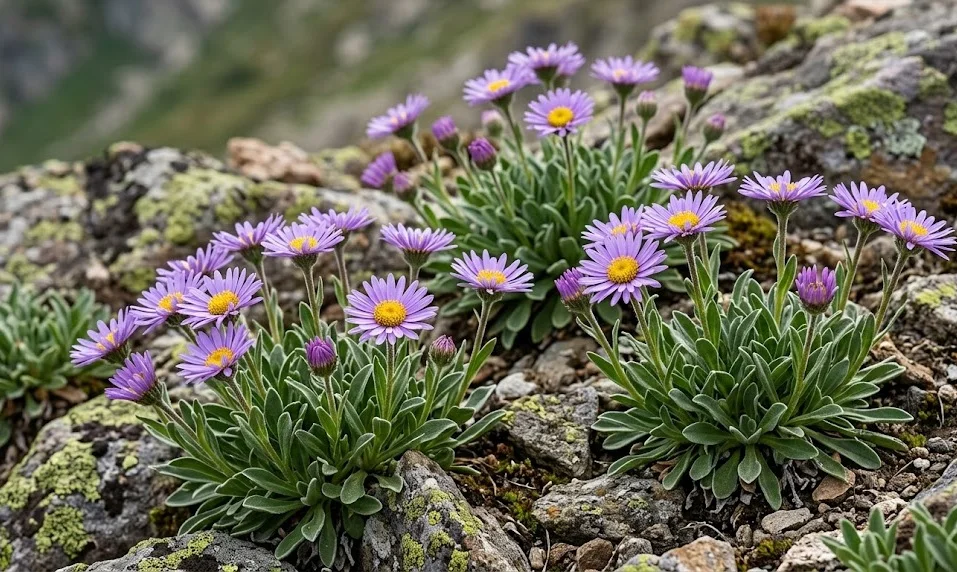

Identifying diseases and pests early is the most effective way to protect your alpine aster from significant damage. These plants are generally quite hardy, but they are not immune to the various challenges found in a typical garden. You should make a habit of inspecting the undersides of the leaves and the center of the crown regularly. Catching a problem when it first appears makes the treatment process much simpler and more successful.
Fungal diseases are perhaps the most common issue you will encounter, especially in humid or poorly drained conditions. Powdery mildew can appear as a white, dusty coating on the leaves and stems during the middle of the summer. This often happens when the air circulation is poor or if the plants are crowded too closely together. Increasing the space between plants and avoiding overhead watering can significantly reduce the risk of this infection.
Botrytis, or grey mold, is another fungal threat that can affect the flowers and foliage during damp weather. It typically starts on dying tissue, such as spent blooms, and then spreads to the healthy parts of the plant. You should remove any faded flowers and dead leaves promptly to eliminate the primary breeding ground for this fungus. Keeping the garden tidy is one of your best defenses against a wide range of fungal pathogens.
Root rot and crown rot are serious conditions that are almost always caused by excess moisture in the soil. If a plant suddenly wilts even though the soil is wet, it is likely that the root system has been compromised. In these cases, it is often best to remove the affected plant entirely to prevent the rot from spreading to healthy neighbors. Improving the drainage of the site is the only long-term solution to prevent these devastating issues.
Viral and bacterial threats
While less common than fungal infections, viral and bacterial diseases can still pose a threat to your alpine aster collection. Viruses are often spread by sap-sucking insects like aphids or through the use of contaminated gardening tools. Symptoms can include mottled or streaked leaves, stunted growth, or oddly shaped flowers. Unfortunately, there are no effective cures for viral infections in plants, so prevention and hygiene are your only tools.
More articles on this topic
Bacterial leaf spot can sometimes occur, manifesting as dark, water-soaked spots on the foliage that may have a yellow halo. This bacteria thrives in warm, wet conditions and can spread rapidly through splashing water or wind. You should remove any affected leaves immediately and dispose of them in the trash, not the compost pile. Avoiding the use of overhead sprinklers can help keep the bacteria from moving between your plants.
Maintaining a clean gardening environment is the best way to prevent the introduction of these difficult-to-treat pathogens. You should always sterilize your pruning shears with alcohol before moving from one plant to another. It is also wise to buy your plants from reputable nurseries that monitor for disease and follow strict hygiene protocols. Starting with healthy, disease-free stock gives your garden the best chance of remaining vibrant and productive.
If you suspect a serious disease outbreak, you should act quickly to isolate the affected area. This might mean removing several plants and the soil around them to create a buffer zone. While it can be painful to lose plants, it is better to sacrifice a few than to lose your entire collection. Monitoring the health of your garden as a whole will help you spot these rare but serious threats before they get out of control.
Common insect pests
Aphids are one of the most frequent insect visitors to the alpine aster, often clustering on the tender new growth and flower buds. These small, soft-bodied insects suck the sap from the plant, which can lead to distorted leaves and weakened stems. You can often manage a small infestation by simply washing them off with a strong stream of water from a hose. For larger problems, an insecticidal soap or neem oil spray can be very effective without harming the environment.
More articles on this topic
Slugs and snails can also be a major nuisance, particularly for young plants or those growing in damp, shaded spots. They are most active at night and can quickly consume large portions of the foliage or even entire seedlings. You can monitor for their presence by looking for the telltale silver slime trails they leave behind on the soil or leaves. Using organic slug pellets or creating physical barriers like copper tape can help protect your most vulnerable plants.
Spider mites are a potential problem during hot, dry weather when the plants might be slightly stressed. These tiny pests are hard to see with the naked eye, but their presence is often indicated by fine webbing and yellow stippling on the leaves. Increasing the humidity around the plants or using a light horticultural oil can help keep mite populations in check. Keeping the plants well-watered during heatwaves also makes them less attractive to these specific pests.
Thrips are another insect that can cause damage to the flowers, leading to discolored petals or buds that fail to open correctly. They are very small and often hide deep within the flower structure, making them difficult to spot and treat. Regular observation of the blooms will help you identify their presence before the damage becomes too widespread. Encouraging natural predators like ladybugs and lacewings into your garden provides a long-term, ecological solution for pest management.
Preventative strategies for health
Prevention is always better than cure when it comes to managing the health of your alpine aster. You should start by ensuring that every plant is placed in an environment that meets its biological needs for light and drainage. A plant that is growing in its ideal conditions will have a much stronger immune system and be better able to resist attacks. Stress is often the primary factor that allows diseases and pests to gain a foothold in the garden.
Proper spacing is another critical preventative measure that is often overlooked by enthusiastic gardeners. You should follow the recommended planting distances to ensure that air can circulate freely around every plant. This reduces the humidity levels within the foliage and makes it much harder for fungal spores to germinate and spread. Thinning out dense clumps every few years also helps maintain good ventilation and overall plant vigor.
Crop rotation is a concept that can be adapted for the ornamental garden to reduce the buildup of soil-borne pathogens. If you have to remove a plant due to disease, avoid planting another aster in the same spot for at least a couple of years. This break in the cycle allows the specific pathogens to die off without a host to feed on. Diversifying your plantings with other species also makes it harder for specialized pests to find and destroy your collection.
Finally, the use of organic mulches should be handled with care to avoid creating a habitat for pests. While mineral mulches like gravel are excellent for asters, thick layers of bark or leaves can trap moisture and hide slugs. You should choose a mulch that reflects the natural rocky environment of the alpine regions. This simple choice can significantly reduce the number of pest and disease problems you face throughout the year.
Integrated pest management
Integrated Pest Management (IPM) is a holistic approach that combines several different strategies to keep your garden healthy. You should start with the least toxic methods first, such as manual removal of pests or improving the cultural conditions. Only when these methods fail should you consider using more targeted chemical interventions. This approach protects the beneficial insects in your garden, such as bees and butterflies, which are vital for pollination.
Encouraging biodiversity in your garden is a key component of a successful IPM strategy. By planting a variety of species, you provide food and shelter for the natural enemies of many common garden pests. Birds, frogs, and predatory insects will often do the work of pest control for you if you create a welcoming environment. Avoiding broad-spectrum pesticides ensures that these helpful creatures can thrive alongside your flowers.
Monitoring and record-keeping are also important parts of managing your garden’s health over time. You should note which pests appear at what time of year and which varieties of aster seem to be the most resilient. This information allows you to anticipate problems and act before they become serious. Over time, you will develop a deep understanding of the specific ecology of your garden and how to maintain its balance.
Education and sharing your experiences with other gardeners can also help improve your pest management skills. You might learn about a new organic treatment or a specific pest-resistant variety from a fellow enthusiast. Gardening is a continuous learning process, and staying informed about the latest research and techniques is invaluable. By taking a proactive and thoughtful approach, you can enjoy the beauty of your alpine asters with minimal disruption from pests or disease.