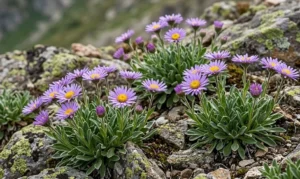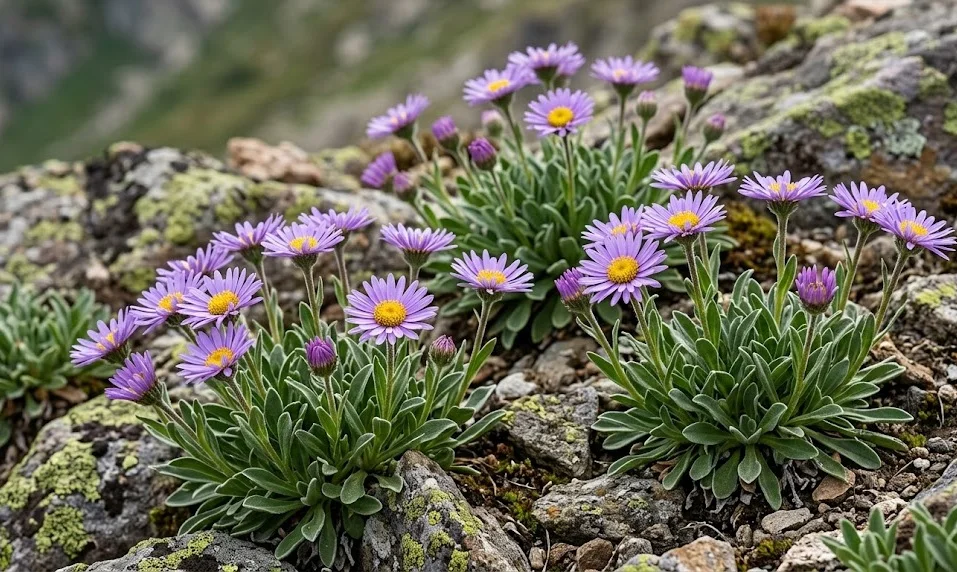

Providing the correct light exposure is one of the most important factors in successfully growing alpine aster in your garden. These plants are native to open, high-altitude environments where they receive intense, unfiltered sunlight throughout the day. In a garden setting, you should aim to place them in a spot that receives at least six to eight hours of direct sun. Full sun encourages a compact growth habit and a prolific display of vibrant flowers.
A lack of sufficient light will quickly lead to several problems that can compromise the health and beauty of the plant. You might notice that the stems become long and “leggy” as they reach toward the nearest light source. This weak growth is much more susceptible to being flattened by wind or rain and often fails to produce many blooms. Ensuring your plants have an open, sunny position is the best way to maintain their natural mountain form.
The intensity of the sun can vary depending on your geographic location and the time of year. In northern regions, the plants can usually handle full sun all day without any issues, even during the peak of summer. However, in hotter, southern climates, some light afternoon shade might be beneficial to prevent the foliage from scorching. You should observe how the plants respond to the sun in your specific microclimate and make adjustments if necessary.
Proper light also plays a key role in the timing and duration of the flowering period. The alpine aster relies on the changing day length to trigger its internal biological clock for bloom production. When grown in a spot with the correct light levels, the plant will produce a dense canopy of flowers that can last for several weeks. This solar energy is vital for the plant to store enough reserves in its roots for the following season.
Managing the impact of shade
While full sun is ideal, it is important to understand how different types of shade can affect your alpine asters. Dappled shade from overhead trees might be acceptable for part of the day, but deep, consistent shade will eventually kill the plant. You should avoid planting them under the heavy canopy of large shrubs or near tall walls that block the sun for most of the day. If your garden is naturally shady, you may need to use raised beds or containers in the sunniest spots available.
More articles on this topic
Competition for light is often a factor in a mixed perennial border where taller plants can quickly overshadow their smaller neighbors. You must be careful to keep the area immediately around your asters clear of any plants that might block their access to the sky. Regular pruning of nearby shrubs can help maintain the open environment that these mountain flowers require. Thinking about the future height and spread of surrounding plants will save you time and effort later on.
If you find that your plants are struggling in a shady location, the best course of action is often to move them to a sunnier spot. This is best done in the early spring or autumn when the plant is not in full bloom and can handle the stress of relocation. You will be amazed at how quickly a stunted, leggy plant can recover once it is given the light it craves. Moving a plant is a simple task that can have a dramatic impact on its long-term success.
In some cases, you can use reflective surfaces like light-colored stones or gravel mulch to increase the amount of light reaching the plant. This is a common technique in rock gardening where every bit of solar energy is valuable. The light-colored mulch reflects sunlight up into the foliage and the center of the clump, promoting more even growth. These small environmental tweaks can make a significant difference in a garden with marginal light conditions.
Photoperiodism and seasonal light cycles
The alpine aster is sensitive to the natural cycles of light and dark, a biological phenomenon known as photoperiodism. These seasonal changes in day length tell the plant when it is time to start growing, when to flower, and when to prepare for dormancy. By providing a location that is exposed to these natural cycles, you allow the plant to follow its internal rhythm. This alignment with nature results in a much heartier and more resilient garden specimen.
More articles on this topic
During the long days of spring and early summer, the plant focuses its energy on vegetative growth and the development of flower buds. You should ensure that nothing is obstructing the low-angled light of early morning or late evening during this time. This “extra” light at the ends of the day can be very beneficial for the overall energy balance of the plant. A site with a clear view of the horizon is often the most productive for alpine species.
As the days begin to shorten in the late summer and autumn, the plant receives the signal to start shutting down for the year. This transition is just as important as the growing season, as it allows the plant to harden off its tissues before the first frost. If you use artificial garden lighting, you should be careful not to disrupt this natural process by keeping the plants in “daylight” for too long. Maintaining the natural darkness of the night is essential for the plant’s long-term health.
Understanding these light cycles also helps you time your maintenance tasks, such as pruning or dividing, more effectively. You should work with the plant’s natural energy levels rather than against them for the best results. For example, dividing a plant just as the days are lengthening gives the new sections the maximum amount of light for recovery. By respecting the power of the sun and the rhythm of the seasons, you can create a truly thriving alpine garden.