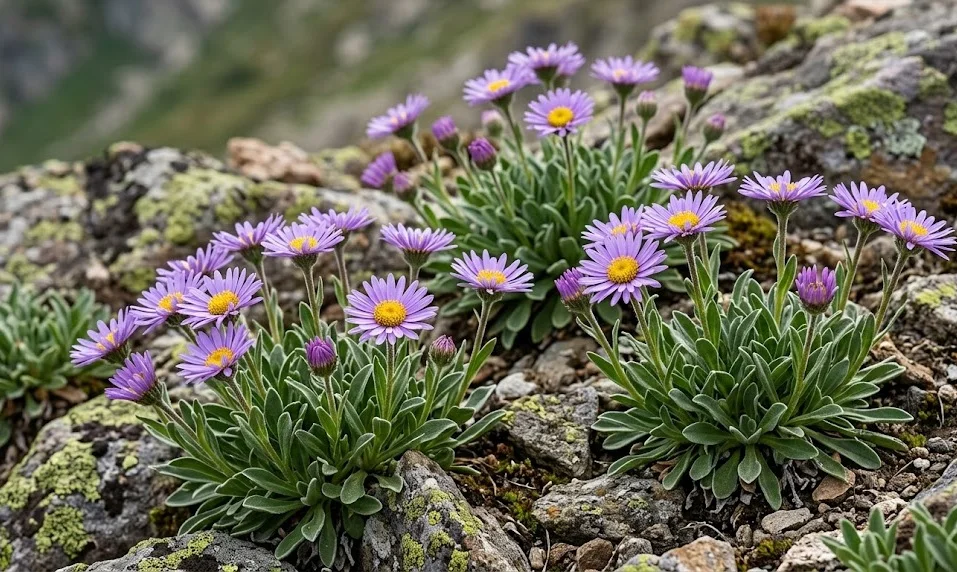

Pruning and cutting back your alpine aster is a vital practice that helps maintain its health and aesthetic appeal throughout the year. While these plants don’t require the heavy pruning that some woody shrubs do, they benefit greatly from targeted interventions. You should focus on removing dead or damaged material to encourage new growth and prevent the spread of pathogens. A well-pruned plant will always look more vibrant and structured in your garden landscape.
Deadheading, which is the removal of spent flowers, is one of the most common pruning tasks you will perform. By cutting off the faded blooms, you prevent the plant from putting its energy into seed production. This redirection of resources often results in a longer flowering period or a stronger root system for the following year. You should use a sharp pair of snips to cut the flowering stem back to the nearest set of healthy leaves.
Regularly removing any yellowing or diseased leaves from the base of the plant is also an important part of maintenance. This allows for better air circulation and reduces the chances of fungal infections taking hold in the center of the clump. You must be careful not to damage the crown or the main stems while you are working. Keeping the plant tidy throughout the growing season ensures that it always looks its best for your enjoyment.
In addition to these minor tasks, a more significant cutting back may be necessary at certain points in the plant’s life cycle. This is usually done after the main flowering season has finished to rejuvenate the foliage and keep the plant compact. You should avoid cutting too far into the woody base of the plant, as this can make recovery more difficult. A thoughtful approach to pruning will ensure that your alpine asters remain a highlight of your garden for many years.
Seasonal rejuvenation and structural pruning
The most important time for a significant pruning of the alpine aster is usually in the late autumn or early spring. If you live in an area with a lot of winter moisture, cutting back the dead stems in the autumn can help prevent rot. However, some gardeners prefer to leave the dried foliage in place over the winter to provide a bit of natural protection for the crown. You should decide which approach works best for your specific climate and garden conditions.
More articles on this topic
When you do decide to cut the plant back, you should remove the old flowering stems down to the level of the basal rosette. This helps the plant maintain its low, cushion-like form and prevents it from looking messy or unkempt. You should use clean, sharp shears to make precise cuts that heal quickly and do not invite disease. This simple task prepares the plant for a fresh start when the new growing season begins.
Structural pruning can also be used to manage the size and shape of an older clump that has become too large for its space. You can carefully remove some of the outer stems to keep the plant within its desired boundaries. This is also a good time to check for any parts of the plant that might be struggling or showing signs of age. Maintaining a balanced and open structure is the key to a healthy and long-lived perennial.
If your plant has become particularly woody and unproductive in the center, you might consider a more radical rejuvenation. This involves cutting the entire plant back quite hard and then providing it with a bit of extra care as it recovers. While this can be a bit stressful for the plant, it often results in a burst of new, vigorous growth. Knowing when to be gentle and when to be more aggressive with your pruning is a skill that comes with experience.
Tool maintenance and safety for pruning
Using the right tools and keeping them in good condition is essential for any pruning task in the garden. For the delicate work of deadheading alpine asters, a small pair of floral snips or sharp garden scissors is ideal. These tools allow you to make precise cuts without crushing the tender stems of the plant. You should look for tools that fit comfortably in your hand and have a smooth, easy action.
More articles on this topic
Maintaining the sharpness of your pruning tools is not just about making the job easier; it’s about the health of your plants. A dull blade will tear the plant tissue, creating a jagged wound that takes longer to heal and is more susceptible to infection. You should sharpen your blades regularly using a whetstone or a specialized sharpening tool. A clean, sharp cut is the kindest thing you can do for your plants when you are pruning.
Safety for both the gardener and the plant is also an important consideration when performing maintenance tasks. You should always wear a pair of light gardening gloves to protect your hands from scratches or irritants. When working in a crowded rock garden, be careful where you place your feet and hands to avoid damaging neighboring plants. Taking your time and being mindful of your movements will prevent accidents and ensure a better result.
Finally, you should always clean and disinfect your tools after each pruning session to prevent the spread of diseases. A quick wipe with a disinfectant or rubbing alcohol is usually all that is needed to keep your tools sterile. This practice is especially important if you have been working on a plant that you suspect might be diseased. By following these simple rules of tool care and safety, you can make pruning a productive and enjoyable part of your gardening routine.