
Caring for alpine aster requires a deep understanding of its natural habitat to replicate the conditions of high-altitude meadows. These perennials are relatively low-maintenance once they are established in a suitable garden environment. You should focus on providing well-drained soil and a spot that mirrors their cool, mountainous origins. Consistency in monitoring their growth will ensure that these vibrant flowers return year after year with vigor.
The general maintenance of these plants involves keeping the area around them free from aggressive weeds. Since they grow in low cushions or clumps, they can easily be overwhelmed by taller or more vigorous garden plants. You must ensure that the surrounding soil remains loose and aerated to support healthy root development. Observing the foliage regularly helps in identifying any early signs of stress before they become serious problems.
Managing the environment around your plants is a key component of a successful long-term gardening strategy. You should remove any fallen leaves or organic debris that might collect in the center of the rosette during the growing season. This practice prevents the accumulation of moisture which could lead to crown rot in humid conditions. Keeping the base of the plant clean also allows for better air circulation and light penetration to the lower leaves.
Your approach to care should be proactive rather than reactive to achieve the best aesthetic results. This means checking the soil moisture levels during unexpected dry spells even if the plant is considered drought-tolerant. You should also keep an eye on the overall structure of the clump to see if it needs refreshing. A well-cared-for plant will display thick, green foliage and a prolific number of flower buds when the season arrives.
Soil health and composition
The foundation of alpine aster care lies in the quality and structure of the soil in which it resides. These plants thrive in substrate that is rich in minerals but poor in heavy organic matter like peat. You should aim for a soil mix that mimics the gritty, rocky slopes of the Alps or the Dolomites. Adding a significant amount of horticultural grit or sharp sand can help achieve the necessary drainage properties.
More articles on this topic
Maintaining the correct pH level is another vital aspect of soil management for these specific perennials. They generally prefer a neutral to slightly alkaline environment, reflecting the limestone-rich areas they often inhabit in nature. If your garden soil is naturally acidic, you might consider adding a small amount of lime to balance it. Regular soil testing can provide you with the data needed to make precise adjustments for optimal growth.
Compaction is a common enemy of alpine plants and must be avoided at all costs around the root zone. You should avoid stepping directly on the soil near the plants to prevent squeezing out the vital air pockets. Using a small hand fork to gently loosen the top layer of soil can help keep the earth breathable. This simple task ensures that oxygen reaches the roots and that water moves through the profile efficiently.
Nutrient management in the soil should be handled with a minimalist philosophy to prevent leggy growth. While some nutrients are necessary, an overabundance of nitrogen will result in more leaves and fewer flowers. You should focus on maintaining a balanced soil ecology through natural mineral replenishment rather than heavy synthetic inputs. This approach encourages the plant to remain compact and sturdy, which is its natural and most attractive form.
Weed management and site cleanliness
Keeping the planting site clean is essential for the health and visibility of these low-growing mountain flowers. Weeds can quickly compete for the limited nutrients and water available in the well-drained soil these plants prefer. You should perform regular weeding sessions, especially in the early spring when many invasive species begin to sprout. Manual removal is often the safest method to avoid damaging the delicate root systems of the aster.
More articles on this topic
Small weeds that grow within the foliage of the aster can be particularly troublesome if left unchecked. You must be careful to pull these out by the root without disturbing the main plant’s anchorage. Using a narrow tool or tweezers can help you reach into tight spots without causing unnecessary trauma to the stems. This attention to detail prevents the weeds from seeding and creating a larger problem in subsequent seasons.
The use of a mineral mulch can serve as a dual-purpose solution for both cleanliness and aesthetics. A layer of pea gravel or crushed stone around the base of the plant suppresses weed germination effectively. It also provides a clean surface that prevents soil from splashing onto the leaves during heavy rain. This keeps the plant looking pristine and helps to regulate the temperature of the root zone throughout the year.
Cleanliness also extends to the removal of spent flowers and dead foliage as the season progresses. This practice not only improves the appearance of your garden but also reduces the risk of pathogens. By clearing away old material, you deny pests a place to hide and breed during the warmer months. A tidy garden bed is often a healthy garden bed, especially for plants sensitive to moisture-related issues.
Seasonal observation and adjustments
Successful gardening with alpine aster depends heavily on your ability to observe changes in the plant’s appearance. As the seasons shift, the needs of the plant will naturally change based on the weather and growth cycle. You should take a walk through your garden at least once a week to inspect the condition of the leaves. Look for changes in color or texture that might indicate a shift in the environmental balance.
During the transition from spring to summer, the intensity of the sun can become a factor for the plant’s health. You may notice that the foliage looks slightly wilted during the hottest part of the afternoon. While they enjoy sunlight, extreme heat can be stressful if the soil has dried out completely. Observing these daily fluctuations helps you decide if a temporary shade cloth or extra water is necessary.
The arrival of autumn brings a different set of observations as the plant prepares for its dormant phase. You will see the flowering stems beginning to dry out and the energy shifting back to the root system. This is a natural process, but you should still monitor for any late-season pests that might be active. Identifying these transitions allows you to time your maintenance tasks perfectly with the plant’s internal clock.
In the winter months, your role as an observer shifts toward protecting the plant from environmental extremes. You should check the site after heavy storms to ensure that the drainage is still functioning correctly. Water pooling around the crown during the cold months is one of the most common causes of plant loss. By staying vigilant, you can clear any blockages and ensure the plant survives the winter in good condition.
Tool selection and maintenance
Using the right tools for caring for alpine aster makes the maintenance process much more efficient and precise. You should invest in a high-quality pair of small pruning shears or floral snips for detailed work. These allow you to remove spent blooms or damaged leaves without affecting the healthy parts of the plant. Precision is key when dealing with small, compact perennials that grow close to the ground.
A small hand trowel and a narrow weeding fork are also indispensable for managing the soil around your asters. These tools allow you to work in tight spaces between plants without disturbing their neighbors. You should look for tools with ergonomic handles to make the repetitive task of weeding more comfortable. Stainless steel options are often preferred because they resist rust and slide through gritty soil easily.
Maintaining the sharpness and cleanliness of your tools is just as important as the initial selection. You must clean your shears after each use to prevent the spread of diseases between different plants in the garden. Wiping the blades with a cloth soaked in rubbing alcohol is a simple and effective sterilization method. Keeping the edges sharp ensures clean cuts that heal quickly and do not invite infection.
Storage of your gardening equipment also plays a role in the long-term success of your horticultural efforts. You should keep your tools in a dry, organized space where they are protected from the elements. Oiling the metal parts occasionally prevents corrosion and keeps the mechanisms moving smoothly. Having your tools ready and in good condition encourages you to perform care tasks exactly when they are needed.
Growth patterns and structural integrity
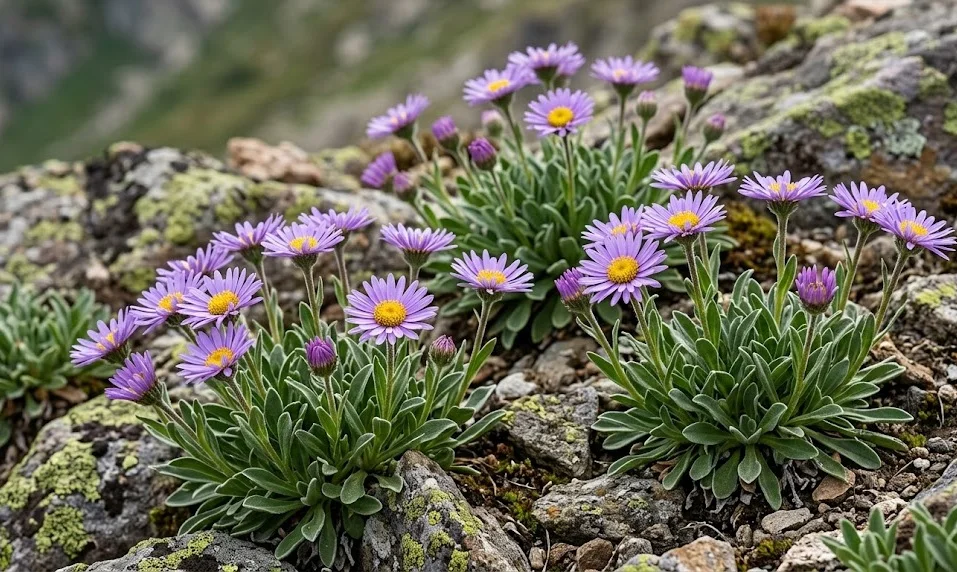
Understanding how the alpine aster grows over time allows you to manage its shape and health effectively. These plants typically form a low-growing rosette of leaves that expands outward from the center. You will notice that as the plant ages, the center may become less productive or even die back. Monitoring this pattern helps you decide when it is time to intervene and rejuvenate the clump.
The structural integrity of the plant can be affected by the amount of light and water it receives. If the plant is grown in soil that is too rich, it may lose its compact mountain form and become floppy. You should aim for a sturdy, tight growth habit that can withstand wind and rain. This natural resilience is one of the most attractive features of the species when grown in the proper conditions.
As the flowering season approaches, the plant will send up stems that carry the bright daisy-like blooms. You should observe whether these stems are strong enough to support the weight of the flowers without leaning. Strong stems are a sign of a healthy plant that has received the correct balance of light and minerals. If the stems are weak, it may be an indication that the plant needs more sun or less nitrogen.
The expansion of the root system is another aspect of growth that requires your periodic attention. While you cannot see the roots, the vigor of the top growth is usually a reliable indicator of what is happening below. If the plant seems to be struggling despite good surface conditions, the roots may be crowded. Recognizing these growth stages ensures that you can provide the right support at the right time.
Long-term vitality and sustainability
Ensuring the long-term vitality of alpine aster involves a commitment to sustainable and thoughtful gardening practices. You should avoid the use of harsh chemicals that can disrupt the natural balance of the soil ecosystem. Encouraging beneficial insects and soil microbes helps create a self-sustaining environment where the plant can thrive. A healthy ecosystem is the best defense against many common gardening challenges.
The longevity of a single plant can be extended through regular but careful maintenance and attention. You might find that some individuals are more resilient than others and should be used as the basis for your garden’s future. Paying attention to which plants perform best in your specific microclimate allows you to refine your care techniques. This localized knowledge is invaluable for creating a garden that remains beautiful for many years.
Community involvement in the form of sharing plants and knowledge can also contribute to long-term success. You should engage with other gardeners to learn about different varieties or experiences with the species. Sharing divisions of your healthy plants ensures that the genetics of successful specimens are preserved. This exchange of information and material strengthens the hobby and promotes better gardening outcomes for everyone.
Finally, you should always keep the origin of the plant in mind to respect its natural biological requirements. The alpine aster is a survivor of harsh conditions, and your care should reflect a balance between support and independence. By providing the essential elements and then stepping back, you allow the plant’s natural beauty to shine. Long-term success is measured by the steady, reliable return of those iconic blue and purple flowers each spring.