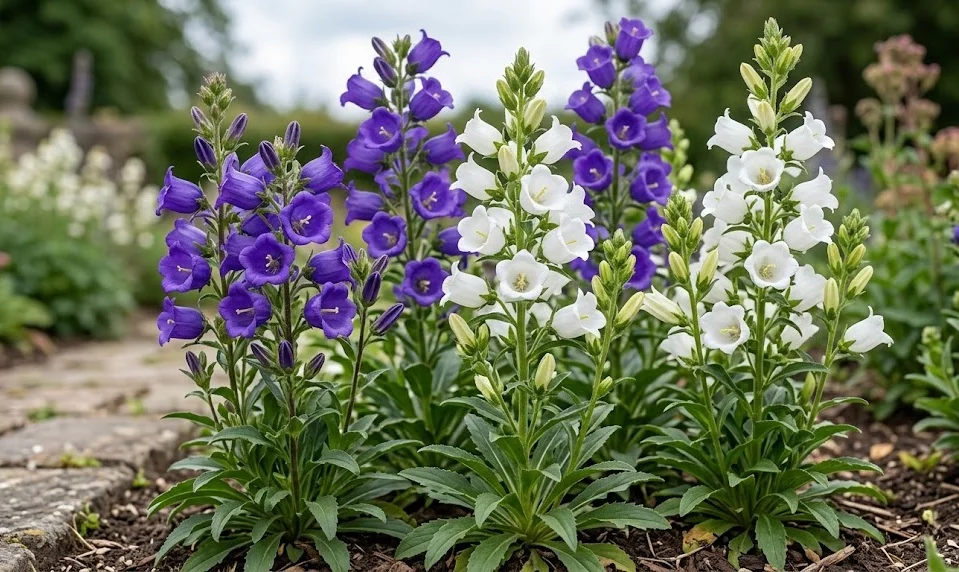

Managing these biennial beauties effectively requires a deep understanding of their unique growth cycle and developmental stages. Many gardeners appreciate their striking bell-shaped flowers but often overlook the patience needed during their first year of foliage growth. Providing a consistent environment from the start ensures that the plant develops a robust root system capable of supporting heavy blooms. You should treat the first season as a foundational period where the focus remains entirely on vegetative strength.
Establishing the right environment
Finding the perfect spot in your garden is the first step toward long-term success with these flowers. They generally prefer locations where they can enjoy the morning sun but remain shielded from the harshest afternoon heat. The soil must be rich in organic matter to provide the necessary nutrients for their rapid growth during the second year. Ensure that the surrounding vegetation does not crowd them, as they require plenty of space for air circulation.
Soil structure plays a critical role in how well the roots can anchor and absorb moisture throughout the seasons. A loamy soil that holds moisture without becoming waterlogged is considered the gold standard for this specific species. You can improve poor soil quality by incorporating compost or well-rotted manure several weeks before you plan to begin. Testing the pH level of your garden bed is also a wise move to ensure it stays within the neutral to slightly alkaline range.
Temperature stability is another factor that influences how the plant transitions from its initial rosette stage to the flowering phase. While they are relatively hardy, extreme fluctuations in spring can sometimes stress the developing flower stalks. Providing a light layer of mulch can help regulate the soil temperature and keep the roots cool during unexpected heat spikes. You will notice that plants grown in stable conditions tend to produce more symmetrical and vibrant flower spikes.
Airflow is often an underestimated component of successful biennial cultivation in crowded residential gardens. Stagnant air creates a breeding ground for moisture-related issues that can quickly compromise the integrity of the foliage. Spacing the plants at least thirty centimeters apart allows the breeze to dry the leaves after a rain shower or morning dew. This simple spatial consideration reduces the likelihood of rot occurring at the base of the crown where moisture tends to collect.
More articles on this topic
Supporting structural integrity
As the flower stalks begin to rise in the second year, they can become quite top-heavy and prone to bending. High winds or heavy rain can easily snap the tall stems if they are not properly supported by external structures. You should install stakes early in the spring before the plants reach their full height to avoid damaging the roots later. Thin bamboo canes or circular metal supports work exceptionally well for keeping the floral display upright and elegant.
The method of tying the stems to the stakes should be gentle to allow for natural movement and growth. Using soft garden twine or plastic-coated wire prevents the ties from cutting into the succulent tissue of the flower stalks. Check the ties periodically as the plant grows to ensure they are not becoming too tight or restrictive. A well-supported plant not only looks better but also allocates its energy more efficiently toward flower production rather than structural repair.
Monitoring the growth rate allows you to adjust the support system as the season progresses toward the peak blooming period. Some varieties can reach heights of nearly a meter, making them particularly vulnerable to the elements in open garden beds. If you notice a stem starting to lean, address it immediately to prevent a permanent kink from forming in the stalk. Consistency in this area ensures that your garden remains tidy and the flowers stay off the damp ground.
Structural care also involves observing the base of the plant for any signs of instability or soil erosion. Sometimes the weight of the foliage can cause the plant to tilt if the soil has become too loose or sandy. Adding a bit more firm soil around the base can provide extra anchorage during the critical weeks of rapid vertical growth. Taking these small steps will protect your investment of time and effort from being ruined by a single summer storm.
More articles on this topic
Seasonal care transitions
As the seasons change, the needs of your Canterbury bells will shift from intensive growth to maintenance and eventual decline. During the peak of summer, your main priority is keeping the plant hydrated and free from competing weeds that steal resources. You should spend time each week inspecting the leaves for any changes in color or texture that might indicate stress. Early detection of environmental issues allows for quick corrections before the health of the plant is significantly impacted.
Transitioning into late summer involves preparing the plant for the end of its life cycle if it is a true biennial. If you wish to collect seeds, you must allow some of the flowers to fade and form seed pods naturally. However, if you prefer a cleaner look, you can continue to remove spent blooms to keep the garden appearing fresh. Understanding the natural progression of the plant helps you manage your expectations for the following year.
Autumn brings a different set of tasks, especially regarding the cleanup of dead or dying plant material. Removing the old stalks once they have finished blooming prevents them from becoming a home for winter pests. If you have younger plants that are still in their first year, this is the time to ensure they are settled for the winter. Clean tools and a systematic approach to garden hygiene will make the transition between seasons much smoother for you.
Reflecting on the performance of your plants throughout the year provides valuable data for your future gardening endeavors. Take note of which areas of the garden produced the strongest blooms and which faced the most challenges with wind or sun. This professional approach to gardening turns every season into a learning opportunity that improves your skill set. You will find that each year you become more intuitive regarding the specific requirements of your floral collection.
Optimizing bloom quality
The quality of the flowers is the ultimate measure of success for any gardener working with this particular species. To achieve the largest and most vibrant bells, you must ensure that the plant has access to consistent micronutrients. Trace elements like magnesium and iron can sometimes be the difference between a pale flower and a deeply saturated one. Using a balanced approach to soil health ensures that the plant has everything it needs for a spectacular finale.
Deadheading is a professional technique that can significantly extend the time your garden remains in bloom. By removing the wilted flowers before they set seed, you encourage the plant to send energy to smaller side buds. This can result in a second, albeit smaller, wave of flowers that keeps the color going for several additional weeks. It is a simple task that requires only a sharp pair of scissors and a few minutes of your time each day.
Watering during the blooming phase should be focused at the base of the plant to avoid wetting the delicate petals. Water droplets on the flowers can cause spotting or lead to premature wilting when the sun hits them directly. A slow, deep soak in the early morning is the most effective way to keep the plant turgid and the flowers fresh. High-quality blooms are often the result of this careful attention to the timing and method of hydration.
Finally, keeping the surrounding area free of debris helps showcase the flowers in their best possible light. A clean mulch layer or a well-kept lawn border provides a neutral backdrop that makes the colors of the bells pop. Professional displays often use these aesthetic tricks to draw the eye toward the primary focal points of the garden. Your effort in the details of care will be rewarded with a professional-grade floral display that captures everyone’s attention.