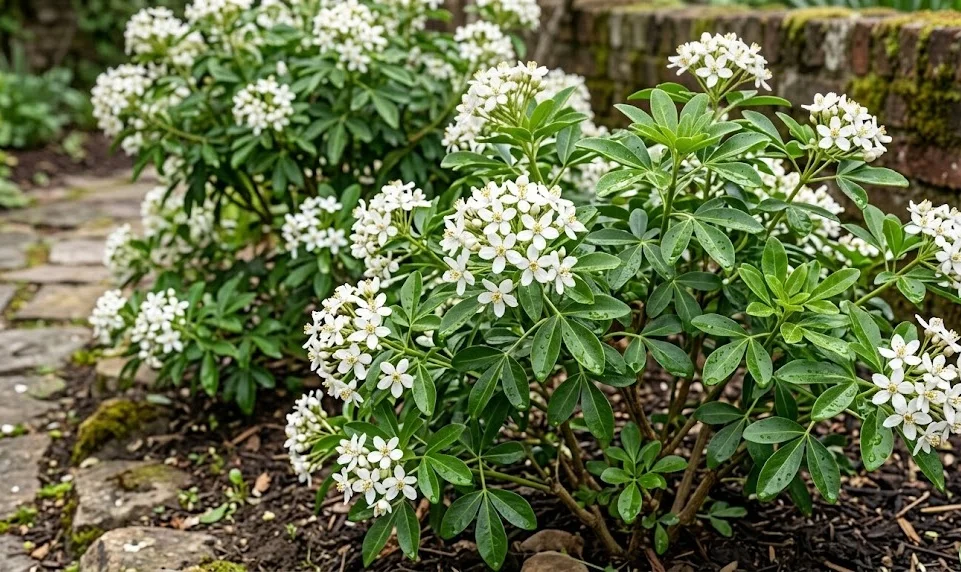

Pruning is the art of shaping and revitalizing your garden through the controlled removal of plant material. For the Mexican orange blossom, regular pruning is essential to maintain its compact form and encourage prolific flowering. Whether you want to create a formal hedge or a natural-looking shrub, understanding the correct techniques is vital. This professional guide explains how and when to prune your shrubs for the best aesthetic and health outcomes.
The primary goal of pruning is to manage the size and shape of the plant while promoting healthy new growth. Without intervention, many shrubs can become leggy, sparse, and unproductive over time. By removing older wood and thinning out the canopy, you allow more light and air to reach the center of the plant. This structural maintenance is a fundamental part of keeping your garden looking its professional best throughout the year.
Timing is one of the most important factors to consider before you pick up your pruning shears. Pruning at the wrong time can remove future flower buds or expose the plant to damage from frost. You should always align your cutting schedule with the natural growth and flowering cycles of the species. A thoughtful approach to timing ensures that the plant has enough energy to recover and produce a stunning display.
Different types of pruning serve various purposes, from light deadheading to major rejuvenation of an old specimen. You should always have a clear goal in mind before you start making any cuts to your shrubs. Understanding the difference between thinning, heading, and shearing will allow you to achieve the specific look you want for your garden. Professional results come from a combination of technical knowledge and creative vision.
Maintenance pruning
Annual maintenance pruning is the routine task of removing dead, damaged, or diseased wood from the shrub. You should do this at any time of year as soon as you notice a problem to prevent it from spreading. Dead wood is not only unsightly but can also provide an entry point for various pests and fungal pathogens. Keeping the structure clean is the first step in ensuring the long-term vitality of your Mexican orange blossom.
More articles on this topic
Thinning out the center of the plant is another essential maintenance task for dense evergreen shrubs. By removing some of the crowded internal branches, you improve air circulation and light penetration throughout the canopy. This helps prevent the lower and inner leaves from turning yellow and dropping off due to lack of energy. A well-thinned shrub looks more vibrant and is much less likely to suffer from fungal diseases like powdery mildew.
Removing crossing branches that rub against each other is also an important part of routine maintenance. Rubbing causes wounds in the bark that can become infected or attract wood-boring insects over time. You should identify these problem areas and remove the weaker or less desirable branch to create a clean structure. This attention to detail is what separates professional-level pruning from basic garden tidying.
Suckers or vigorous shoots that grow straight up from the base should also be removed during your maintenance sessions. These shoots often use a lot of the plant’s energy but contribute very little to its overall shape or flowering capacity. By cutting them back to the point of origin, you ensure that the energy is directed toward the more productive parts of the shrub. Consistency in these small tasks will keep your plants in top condition year after year.
Shaping and flowering
The best time to perform major shaping on your Mexican orange blossom is immediately after the first flush of flowers has faded. This timing allows the plant to produce new growth that will harden off before the winter and carry the buds for next year. You can cut the branches back by about a third to maintain a compact, rounded habit that is very attractive in a border. Avoid pruning too late in the summer, as this can trigger soft growth that will be damaged by frost.
More articles on this topic
Deadheading, or the removal of spent flowers, can encourage some varieties to produce a second, smaller bloom in the autumn. It also prevents the plant from wasting energy on seed production and keeps the foliage looking clean and tidy. You should cut the flower stalks back to just above the first set of healthy leaves below the bloom. This simple task can significantly extend the period of visual interest in your garden during the summer months.
If you are growing your Mexican orange blossom as a formal hedge, you will need to perform more regular shearing. You should aim to keep the base of the hedge slightly wider than the top to ensure that light reaches the lower branches. This prevents the bottom of the hedge from becoming thin and bare over time, a common problem in poorly maintained gardens. Using sharp shears and a steady hand will give you the crisp, clean lines required for a professional hedge.
Formal shapes like globes or cubes require frequent but light pruning to maintain their precise dimensions. You should try to remove only the tips of the new growth during each session to keep the surface dense and uniform. While this requires more effort, the result is a striking architectural element that adds structure to your landscape design. Proper shaping allows the Mexican orange blossom to serve as a versatile focal point in many different garden styles.
Rejuvenation pruning
Older shrubs that have become overgrown or leggy can often be brought back to life through rejuvenation pruning. This process involves cutting the entire plant back hard, sometimes to within a foot of the ground, in the early spring. While it may look drastic, the Mexican orange blossom is very resilient and will usually respond with a flush of healthy new growth. This technique is an excellent way to save a specimen that has been neglected for many years.
You can also choose a more gradual approach to rejuvenation by removing one-third of the oldest branches each year for three years. This “three-year rule” allows the plant to maintain some of its size and foliage while slowly replacing the old wood. It is a less stressful method for the plant and ensures that you still have some visual structure in the garden during the process. Professional gardeners often use this technique for large or particularly valuable specimens.
After a major pruning session, you must provide the plant with extra care to support its recovery and new growth. Ensure that it is well-watered and apply a balanced fertilizer to give it the nutrients it needs to build new tissue. A fresh layer of mulch will also help keep the roots cool and moist as the plant works to re-establish its canopy. Your support during this recovery phase is crucial for the success of any rejuvenation project.
Monitoring the new growth for pests is especially important after heavy pruning, as the young shoots are soft and attractive to insects. Aphids and scale can quickly colonize the fresh foliage and stunt the recovery process if they are not managed. By being vigilant and addressing any issues early, you ensure that your rejuvenated shrub grows into a strong and beautiful mature plant. The transformation of an old, tired shrub into a vibrant garden highlight is one of the most rewarding aspects of professional gardening.