
Maintaining a healthy garden involves a constant battle against the various organisms that seek to feed on or infect your prize-winning flowers. While these plants are relatively hardy and even possess some natural repellent properties, they are not entirely immune to the pressures of the natural world. A professional gardener must be able to identify the early warning signs of trouble before a small problem becomes a full-blown infestation. By using an integrated approach to pest management, one can protect the beauty of the garden while minimizing the impact on the surrounding environment.
Common insect pests
Aphids are among the most frequent visitors to the garden, often appearing as tiny green or black clusters on the tender new growth. These sap-sucking insects can cause the leaves to curl and distort, and they excrete a sticky substance known as honeydew. This honeydew often attracts ants and can lead to the growth of black sooty mold, which further disfigures the plant. A strong blast of water from a garden hose is often enough to dislodge these pests and keep their populations in check. For more persistent problems, using an organic insecticidal soap is a highly effective and professional solution.
Spider mites are another common issue, especially during the hot and dry months of mid-summer. These microscopic pests live on the undersides of the leaves and suck the juices out of the plant cells, leading to a stippled or bronzed appearance. You might also notice very fine webbing between the stems or on the leaves if the infestation is severe. Increasing the humidity around the plants and ensuring they are well-watered can help to discourage these pests, as they thrive in dry conditions. Regularly misting the foliage with clean water is a simple preventative measure that any gardener can take.
Slugs and snails can be devastating to young seedlings, often consuming entire plants in a single night. These nocturnal pests leave behind tell-tale slime trails and large, ragged holes in the leaves and flowers. Using physical barriers like copper tape or crushed eggshells can help to protect individual plants from these hungry invaders. Beer traps are a classic and effective way to reduce the population of slugs without using harsh chemical pellets. Removing debris and tall grass from around the garden beds also eliminates the cool, damp hiding spots where these pests spend their days.
Thrips are tiny, slender insects that feed inside the flower buds, causing them to turn brown or fail to open properly. Because they are so small and hide deep within the plant tissues, they can be difficult to spot until the damage is already done. Shaking a flower head over a piece of white paper is a good way to see if these pests are present in your garden. Blue or yellow sticky traps can be used to monitor their activity and catch the flying adults before they can lay more eggs. Maintaining a diverse garden with plenty of natural predators is the best long-term strategy for managing these difficult insects.
More articles on this topic
Fungal and bacterial diseases
Powdery mildew is a common fungal disease that appears as a white, flour-like dusting on the leaves and stems of the plants. It usually thrives when the days are warm and the nights are cool and humid, and it can quickly spread if the air is stagnant. While it rarely kills the plant, it can significantly reduce its vigor and aesthetic appeal by blocking sunlight from the leaves. Improving air circulation through proper spacing and pruning is the first line of defense against this unsightly fungus. Fungicides containing sulfur or neem oil can also be used to treat existing infections and prevent further spread.
Botrytis blight, also known as gray mold, is another fungal issue that often affects the flower heads during periods of cool, wet weather. The infected blooms will turn brown and mushy, and you may see a fuzzy gray growth covering the petals. This disease can spread rapidly through a garden if the dead flowers are not removed promptly and destroyed. Always avoid watering the plants from above, as wet flowers are much more susceptible to this type of rot. Keeping the garden clean and well-maintained is the most professional way to prevent mold issues from taking hold.
Root rot is a serious condition that occurs when the soil remains waterlogged for an extended period, allowing pathogenic fungi to attack the roots. The plants will often appear wilted even when the soil is wet, and the lower leaves may turn yellow or drop off. Once the roots have turned brown and mushy, it is often too late to save the plant, making prevention the only viable strategy. Ensuring that your garden beds have excellent drainage and avoiding over-watering are the keys to keeping the root systems healthy. If you lose a plant to root rot, avoid planting in that same spot until the drainage issues have been addressed.
Bacterial leaf spot can cause small, dark lesions to appear on the foliage, often surrounded by a yellow halo. This disease is usually spread by splashing water and can move quickly through a crowded garden during a rainy season. Removing and destroying the infected leaves as soon as they are spotted can help to slow down the progression of the disease. It is important to never compost diseased plant material, as the bacteria can survive the composting process and infect future crops. Using clean tools and practicing good garden hygiene are essential for managing any bacterial or fungal outbreak.
More articles on this topic
Natural pest control strategies
Encouraging beneficial insects into your garden is one of the most effective and sustainable ways to manage pest populations. Ladybugs, lacewings, and hoverflies are all voracious predators of aphids and other small, soft-bodied insects. You can attract these “garden heroes” by planting a variety of flowering herbs and native plants that provide them with pollen and nectar. Avoiding the use of broad-spectrum pesticides is crucial, as these chemicals kill the good bugs along with the bad ones. A professional gardener works in harmony with the natural food web to maintain a healthy balance.
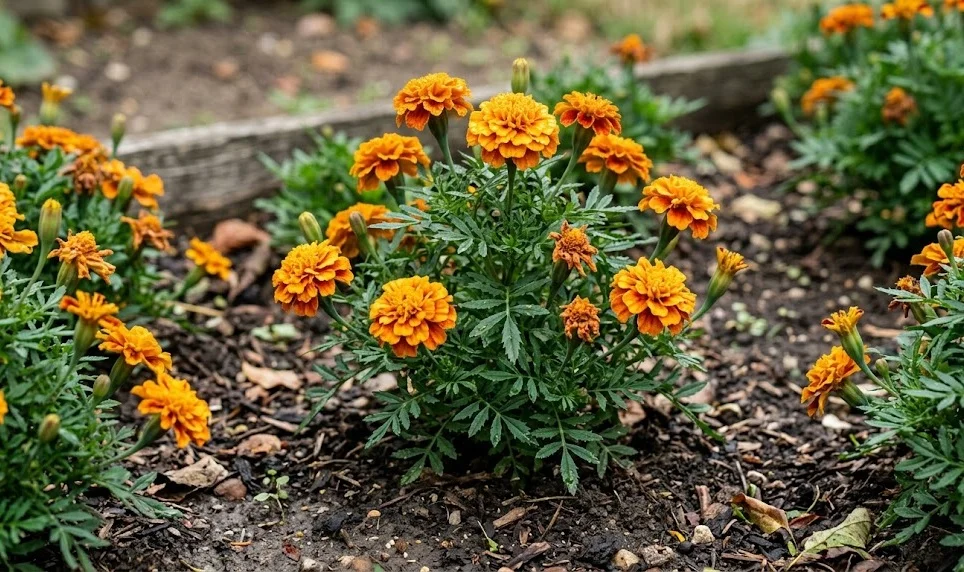
Companion planting is another professional technique that uses the natural properties of different plants to protect each other. These specific flowers are often used as companions for vegetables because their strong scent is thought to confuse or repel certain pests. Some studies suggest that the roots of these plants even release chemicals that can reduce the population of harmful nematodes in the soil. Interspersing your flower beds with herbs like basil or marigolds creates a multi-layered defense system for your garden. This holistic approach reduces the need for external interventions and creates a more resilient ecosystem.
Biological controls, such as introducing predatory mites or parasitic wasps, can be used for more targeted pest management. These specialized organisms are often available for purchase from garden supply companies and can be released directly into the affected area. This method is highly effective in greenhouses or enclosed gardens where the beneficial organisms are less likely to fly away. It requires a good understanding of the pest’s life cycle to ensure that the biological control is introduced at the right time. Using nature’s own hunters is a sophisticated way to manage a garden without resorting to synthetic chemicals.
Physical barriers and traps can provide immediate protection for valuable plants without affecting the rest of the garden. Floating row covers are a great way to keep flying insects away from young seedlings until they are strong enough to handle some pressure. Yellow sticky traps are excellent for monitoring the presence of whiteflies and gnats, allowing you to act before an infestation becomes severe. Netting can protect the flowers from larger pests like birds or even deer in some rural areas. Combining these physical methods with other strategies forms the basis of a professional integrated pest management plan.
Chemical interventions and safety
When natural and physical methods are not enough to save a crop, a professional gardener may choose to use targeted chemical interventions. It is vital to select a product that is specifically labeled for the pest or disease you are trying to treat. Always read the entire label before application, paying close attention to the recommended dosage and any safety precautions. Wear protective clothing, including gloves and eye protection, to avoid any direct contact with the chemicals. Applying the treatment in the late evening when bees and other pollinators are less active minimizes the impact on beneficial insects.
Neem oil is a popular choice for organic gardening because it acts as both an insecticide and a fungicide. It is derived from the seeds of the neem tree and works by disrupting the feeding and reproductive cycles of many common pests. It is relatively safe for humans and pets but should still be used with care to avoid harming non-target insects. Horticultural oils are another effective option for controlling scale and mites by smothering the insects and their eggs. These products are most effective when applied thoroughly to both the tops and bottoms of the leaves.
Systemic insecticides are chemicals that are absorbed by the plant and move through its tissues, providing long-term protection from the inside out. While highly effective against persistent pests, they should be used with extreme caution as they can be harmful to pollinators that feed on the nectar. They are best reserved for non-flowering periods or for plants that are not visited by bees. Always consider the potential environmental impact before choosing a systemic product for your garden. A professional approach involves using the least toxic option that will still get the job done effectively.
Storage and disposal of garden chemicals are just as important as the application process itself for safety and environmental protection. Keep all products in their original containers with the labels intact, and store them in a cool, dry place away from children and pets. Never pour leftover chemicals down the drain or into the storm sewer, as this can contaminate local water supplies. Many communities have specific hazardous waste collection days for the safe disposal of old or unwanted garden products. Following these guidelines ensures that your gardening practices remain professional and responsible.
Monitoring and record keeping
The key to successful pest and disease management is early detection through regular and systematic monitoring. Make it a habit to walk through your garden every few days, looking closely at the foliage and flowers for any unusual spots or insects. Use a magnifying glass to inspect the undersides of the leaves, where many pests like to hide and lay their eggs. Keeping a close eye on the most vulnerable plants allows you to catch problems in their infancy when they are much easier to manage. This proactive stance is what defines an expert gardener who stays ahead of the curve.
Keeping a detailed garden log is an invaluable tool for identifying patterns and predicting when certain pests might appear. Record the dates when you first notice specific issues and the weather conditions at the time, as many problems are weather-dependent. Note which treatments you used and how effective they were, as well as any side effects you observed on the plants. Over several seasons, this data will help you develop a customized prevention plan for your specific garden. Information is power when it comes to managing the complex biological interactions of a living landscape.
Sharing information with other local gardeners can also provide early warnings about pest outbreaks in your area. Many agricultural extensions and garden clubs offer newsletters or online forums where members can report sightings of invasive species or common diseases. Being part of a community allows you to benefit from the collective experience and knowledge of others who are facing similar challenges. It also provides a platform for discussing the most effective and sustainable management techniques for your specific region. A professional gardener is always learning and stays connected to the wider horticultural world.
Finally, remember that a few pests are a normal part of a healthy and diverse garden ecosystem. The goal of professional management is not necessarily total eradication but rather keeping the populations below a level that causes significant damage. A perfectly sterile garden is often more vulnerable to catastrophic outbreaks because it lacks the natural checks and balances of a complex system. Accepting a small amount of imperfection allows you to enjoy the beauty of your flowers without the stress of constant chemical warfare. True expertise lies in knowing when to intervene and when to let nature take its course.