
Protecting your garden from biological threats requires a proactive strategy that combines regular monitoring with targeted interventions. This species is generally hardy, but it can fall victim to several common garden pests and diseases if the environmental conditions are favorable for them. You must learn to recognize the early warning signs of trouble to prevent a minor issue from becoming a major infestation. Maintaining a clean and healthy garden environment is your first line of defense against most problems.
Managing fungal infections
Powdery mildew is one of the most frequent fungal issues you will encounter when growing these bell-shaped flowers. It appears as a white, flour-like coating on the surface of the leaves and can quickly spread if the air is stagnant. This fungus thrives in warm, humid conditions and can eventually cause the foliage to turn yellow and drop prematurely. To prevent it, ensure your plants have adequate spacing and avoid watering the leaves directly during the evening.
Rust is another fungal disease that can affect the health and appearance of your plants, especially in damp climates. It presents as small, orange or brown pustules on the undersides of the leaves, which can eventually lead to large dead spots. If you notice these signs, you should immediately remove and destroy the infected leaves to stop the spores from spreading to healthy tissue. Using a sulfur-based fungicide can also be effective if the infection is widespread throughout the garden bed.
Crown rot is perhaps the most serious fungal threat, as it can kill the entire plant very quickly by attacking the base. This problem is almost always caused by soil that stays too wet for extended periods or by planting the crown too deeply. You will see the lower leaves turning yellow and the base of the plant becoming mushy and discolored. Improving the drainage and reducing the frequency of watering are the only ways to prevent this fatal condition from taking hold.
Regularly cleaning up fallen leaves and garden debris is a simple but essential professional practice for disease prevention. Fungal spores often overwinter in dead plant material and are ready to reinfect your garden as soon as the weather warms up. By keeping the ground around your plants clear, you remove the primary source of many common infections. A healthy, well-ventilated garden is much less likely to suffer from significant fungal outbreaks during the growing season.
More articles on this topic
Identifying insect infestations
Aphids are common pests that gather in large numbers on the tender new growth and the undersides of the leaves. These small, sap-sucking insects can cause the foliage to curl and become distorted, which weakens the plant over time. They also secrete a sticky substance called honeydew, which can attract ants and lead to the growth of black sooty mold. You can usually manage small numbers of aphids by simply washing them off with a strong stream of water from a garden hose.
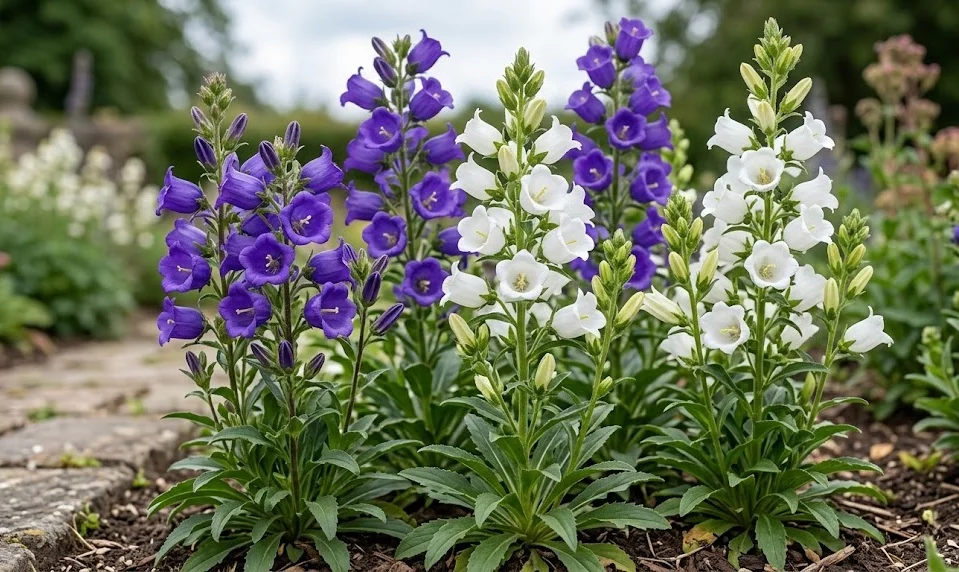
Slugs and snails are particularly fond of the succulent leaves and stems of young Canterbury bells, especially during the first year. They are most active at night or during rainy weather and can leave large, ragged holes in the foliage. You might also see their characteristic silvery slime trails across the leaves or the soil surface in the morning. Using organic slug pellets or physical barriers like copper tape can help protect your plants from these persistent nocturnal visitors.
Spider mites can become a problem during hot, dry periods when the plants are under moisture stress. These tiny arachnids are difficult to see with the naked eye, but you might notice fine webbing between the leaves and a stippled, yellow appearance on the foliage. They thrive in dusty environments, so keeping the area around your plants clean and well-hydrated can help deter them. If an infestation occurs, using insecticidal soap or neem oil is a safe and effective professional treatment option.
Thrips are another small insect that can damage the developing flower buds, causing them to become discolored or fail to open properly. They are very mobile and can be difficult to control once they have established themselves inside the floral structures. Monitoring the plants closely as the flower spikes emerge allows you to catch these pests before they do significant aesthetic damage. Yellow sticky traps placed near the plants can help you track their presence and reduce their numbers naturally.
More articles on this topic
Natural pest control methods
Encouraging beneficial insects like ladybugs and lacewings into your garden is an excellent way to manage pest populations naturally. These predatory insects feed on aphids, mites, and other small pests, keeping their numbers in balance without the use of chemicals. You can attract these garden allies by planting a variety of flowering herbs and native plants nearby. A diverse ecosystem is much more resilient and requires less intervention from the gardener to stay healthy.
Neem oil is a versatile and organic tool that can be used to treat both insect infestations and certain fungal diseases. It works by disrupting the life cycle of the pests and acting as a repellent for many common garden invaders. You should apply it in the early morning or late evening to avoid harming bees and other pollinators that visit your flowers. Regular applications every two weeks can provide a professional level of protection for your most valuable plants.
Diatomaceous earth is a natural powder that can be sprinkled around the base of the plants to deter crawling pests like slugs and ants. It works by causing physical damage to the exoskeletons of the insects, leading to their dehydration and death. It is safe for humans and pets but should be reapplied after heavy rain or watering to remain effective. This simple mechanical barrier is a great addition to any organic pest management strategy in a home garden.
Handpicking larger pests like snails or caterpillars is often the most effective method for small garden plots. Taking a walk through your garden in the evening with a flashlight allows you to find and remove these invaders before they cause significant damage. While it may seem tedious, this direct approach ensures that you are not accidentally harming beneficial organisms with broad-spectrum sprays. It also gives you a chance to inspect your plants closely and monitor their overall health and development.
Preventative garden hygiene
Cleanliness in the garden is just as important as it is in any other professional environment where health is a priority. You should always disinfect your pruning shears and other tools before moving from one plant to another to prevent the spread of pathogens. A simple solution of rubbing alcohol or a mild bleach mixture is sufficient to kill most viruses and fungal spores. This small habit can prevent a single sick plant from infecting your entire collection of beautiful flowers.
Removing diseased plant material from the site immediately is vital to breaking the cycle of infection in your garden. You should never compost leaves or stems that have been affected by rust, mildew, or rot, as the spores can survive the composting process. Instead, place the infected material in a sealed bag and dispose of it with your regular household waste or burn it if local regulations allow. This professional approach to waste management keeps your garden soil clean and safe for future generations of plants.
Rotating where you plant your biennials can also help prevent the buildup of soil-borne diseases over several years. If you grow the same species in the exact same spot every season, certain pathogens can become established in the earth. By moving your flowers to a different part of the garden, you deny these organisms their preferred host and reduce the risk of infection. This practice, known as crop rotation, is a fundamental principle of sustainable and healthy gardening.
Finally, ensuring that your plants are strong and well-fed makes them much less attractive to pests and more resistant to disease. A stressed plant releases chemical signals that can actually draw in hungry insects from the surrounding area. By providing the right amount of water, light, and nutrients, you are creating a robust organism that can defend itself naturally. Your primary goal as a gardener is to provide the optimal conditions for the plant’s own immune system to function.
Recovery and rehabilitation
If your plants have suffered from a significant pest or disease issue, they will need extra care to recover their strength. You should provide them with a gentle dose of balanced fertilizer to support the growth of new, healthy foliage. Monitor the water levels carefully, as a compromised plant is more sensitive to both drought and over-saturation. With the right support, many plants can bounce back and still provide a beautiful display in the following season.
Pruning away the most damaged parts of the plant can help redirect energy toward healthy growth and improve airflow. Be sure to cut back to clean, green tissue and use sterilized tools for every single snip you make. This “sanitary pruning” prevents the remaining pathogens from continuing to drain the plant’s resources. You might notice that the plant looks a bit sparse for a few weeks, but it will soon fill in with fresh leaves.
Observation is your most valuable tool during the recovery phase, as you need to ensure the problem does not return. Check the new growth daily for any signs of recurring spots, holes, or insects that might have been missed. Catching a second wave of trouble early is much easier than dealing with a full-blown relapse of the original issue. Patience is key, as biological recovery takes time and cannot be rushed by excessive intervention.
By following these professional guidelines, you can manage the threats of diseases and pests with confidence and skill. Your garden will become a safer and more productive environment where your Canterbury bells can reach their full potential. Remember that every challenge you face is an opportunity to learn more about the complex world of horticulture. Expert gardening is a journey of constant observation, learning, and adaptation to the needs of the natural world.