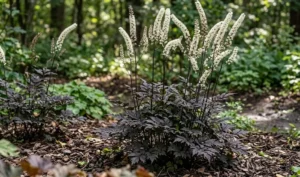
Establishing a consistent maintenance routine for these elegant perennials ensures that their signature feathery plumes remain vibrant throughout the peak summer months. These plants are widely appreciated for their ability to thrive in damp, shaded areas where many other flowering species might struggle to survive. Professional horticulture requires a deep understanding of the specific environmental triggers that encourage healthy root development and lush foliage production. By following a structured care plan, any gardener can enjoy the unique architectural beauty that these woodland natives bring to a landscape.
Understanding the foundational needs
The health of your false spirea is intrinsically linked to the microclimate of your garden and how well it mimics a natural forest floor. These plants naturally gravitate toward locations that offer cool soil temperatures and protection from the harsh afternoon sun. You must monitor the moisture levels in the ground constantly because these perennials do not possess the drought-tolerance mechanisms found in prairie plants. Maintaining a stable environment is the most critical factor in preventing the leaf scorch that often plagues poorly managed specimens.
Healthy growth starts with observing the interaction between the plant and its surrounding vegetation in the garden bed. When these perennials are placed near larger shrubs or trees, they often compete for both water and vital nutrients. You should ensure that the spacing between plants allows for adequate airflow while still providing enough density to keep the soil shaded. Careful observation of the plant’s leaf color will provide immediate feedback on whether its basic environmental needs are being met effectively.
The seasonal progression of the plant dictates the specific care tasks that you must perform at different times of the year. In the early spring, focus on clearing away any debris that might harbor pathogens or prevent new shoots from emerging through the soil. As the temperatures begin to rise, your primary concern shifts toward moisture retention and providing the energy needed for flower production. Understanding these natural cycles allows for a more proactive approach to garden management rather than a reactive one.
Long-term success with these plants is achieved through patience and a commitment to maintaining soil health over several years. You should avoid disturbing the root systems unnecessarily, as these plants prefer to settle into their location and expand slowly over time. Frequent soil testing can help you understand the nutrient profile of your garden bed and allow for precise amendments. When you provide a stable and nutrient-rich base, the plants will reward you with increasingly impressive floral displays every season.
More articles on this topic
Optimizing the soil environment
The composition of the soil is perhaps the most significant physical factor determining the longevity of your false spirea collection. These plants prefer a soil structure that is rich in organic matter and capable of holding moisture without becoming waterlogged or anaerobic. Incorporating well-rotted compost or leaf mold into the planting area significantly improves the cation exchange capacity and overall texture. You should aim for a slightly acidic to neutral pH level to ensure that essential minerals remain available for plant uptake.
Heavy clay soils can be problematic because they often lack the drainage necessary to prevent root rot during periods of heavy rain. If you are dealing with compacted clay, you can improve the structure by adding coarse organic material rather than fine sand. Creating a raised bed is another professional technique used to manage drainage while still providing the moisture-retentive qualities these plants crave. Consistent soil quality prevents the physiological stress that often leads to stunted growth and poor flowering.
Sandy soils present a different set of challenges because they drain too quickly and often lose nutrients through leaching. In these conditions, you must focus on building up the humus layer to increase the water-holding capacity of the planting site. Mulching becomes an indispensable tool in sandy environments to prevent the sun from drying out the upper layers of the root zone. Regular applications of organic mulches will slowly decompose and improve the soil structure naturally over several growing seasons.
Soil temperature also plays a vital role in the metabolic processes of these woodland perennials during the hottest months. By maintaining a thick layer of organic mulch, you can insulate the roots from extreme temperature fluctuations that occur in mid-summer. This thermal stability encourages the root tips to continue expanding and absorbing water even when the air temperature is high. Professional gardeners prioritize this soil protection as a primary defense against the decline often seen in heat-stressed plants.
More articles on this topic
Managing the growth cycle
The early stages of the growing season are marked by the emergence of delicate, fern-like foliage that is highly sensitive to late spring frosts. You should keep a close eye on weather forecasts and provide temporary cover if a sudden temperature drop is expected after growth has begun. Once the danger of frost has passed, the plant enters a period of rapid vegetative expansion that requires significant energy reserves. Providing a balanced start during this phase ensures that the plant has the structural integrity to support its heavy flower plumes later.
As the summer progresses, the development of the flower spikes becomes the focal point of the plant’s biological energy. You will notice the buds beginning to form at the tips of the stems, indicating that the plant is entering its peak reproductive phase. During this time, the demand for water increases significantly, and any lapse in hydration can result in aborted flowers or browning leaf edges. Ensuring that the plant has everything it needs during this high-demand period is essential for a spectacular visual impact.
After the flowering period has ended, the plant begins the process of photosynthesizing to store energy in its rhizomes for the following year. While the dried flower heads can be left for winter interest, the primary goal shifts toward maintaining the health of the remaining foliage. You should continue to provide adequate water even after the blooms have faded to ensure the plant remains productive until the first frost. This late-season care is often overlooked but is crucial for the overall vigor of the perennial colony.
The transition into dormancy is a natural process triggered by shorter day lengths and cooling soil temperatures in the late autumn. You will observe the foliage turning yellow or bronze as the plant pulls nutrients back into its underground storage organs. This period of rest is necessary for the plant to reset its internal biological clock and prepare for the next spring. Understanding this transition helps you avoid unnecessary interventions that might interfere with the plant’s natural preparation for the winter months.
Enhancing aesthetic integration
Integrating false spirea into a cohesive garden design requires an understanding of its unique texture and vertical growth habit. These plants work exceptionally well when massed together to create a sea of soft color in a shaded border or woodland edge. You can use different varieties with varying heights and bloom times to extend the visual interest in your garden throughout the summer. Professional designers often use the fine texture of the foliage to contrast with the broad leaves of hostas or the architectural fronds of ferns.
The color palette of these perennials ranges from pure white and soft pink to deep reds and vibrant purples, offering many design possibilities. You should consider the color of nearby structures or other flowering plants when selecting specific varieties for your garden beds. Lighter colors tend to pop in deep shade, while darker reds can add a sense of drama and depth to partially sunny areas. By layering these colors thoughtfully, you can create a sophisticated garden landscape that feels intentional and well-planned.
Using these plants as a transition between formal garden areas and wilder woodland sections is a highly effective design strategy. Their natural appearance allows them to blend seamlessly into the landscape while still providing a touch of cultivated beauty. You can plant them along the edges of shaded pathways where their soft plumes can be appreciated up close by visitors. This placement also makes it easier to monitor their moisture needs and perform routine maintenance tasks throughout the season.
Consider the winter silhouette of the plant when deciding whether to cut back the spent flower stalks in the autumn. The dried plumes can provide a beautiful structural element in a snowy garden and offer food for small birds during the colder months. Many professional gardeners choose to leave the stalks standing until early spring to add interest to the otherwise dormant garden beds. This approach balances the need for neatness with the desire to create a year-round visual experience in the landscape.
Advanced root zone management
The root system of the false spirea is composed of thick rhizomes that spread slowly just beneath the surface of the soil. These structures are the lifeblood of the plant, storing the carbohydrates necessary for survival and future growth. You must ensure that these rhizomes are never exposed to the air, as they can dry out quickly and lead to the death of the crown. Adding a thin layer of compost or topsoil every few years can help maintain the proper depth for these vital underground organs.
Air porosity within the root zone is just as important as moisture levels for maintaining a healthy and vigorous specimen. Even though these plants love water, they still require oxygen to reach their roots to prevent the onset of anaerobic conditions. You can maintain this balance by avoiding heavy foot traffic in the garden beds where these perennials are planted. Incorporating coarse organic matter during the initial site preparation helps create a stable structure that resists compaction over time.
Monitoring the density of the root clump is a necessary part of long-term care for established perennial beds. Over several years, the center of the plant can become overly woody and less productive as the rhizomes compete for space. You will notice a decline in the number of flowers and the overall size of the foliage when a plant becomes root-bound in the ground. Recognizing these signs early allows you to plan for division before the health of the entire specimen is compromised.
The interaction between the roots and beneficial soil fungi, known as mycorrhizae, can significantly enhance the plant’s ability to absorb nutrients. You can encourage these natural symbioses by avoiding the excessive use of synthetic fungicides in the soil. Using organic fertilizers and maintaining high levels of soil organic matter provides the ideal environment for these beneficial organisms to thrive. This holistic approach to root health leads to a more resilient plant that can better withstand environmental stressors.
Navigating microclimate variations
Every garden contains small-scale variations in light, temperature, and moisture that can affect the performance of your plants. You should spend time observing how the sun moves across your yard at different times of the year to identify the best planting spots. A location that is shaded in the spring might receive intense afternoon sun in mid-summer when the sun is higher in the sky. Understanding these subtle shifts allows you to place your false spirea in a position where it will be protected from extreme conditions.
Wind exposure is another microclimate factor that can lead to rapid moisture loss and mechanical damage to the delicate foliage. If your garden is in an open area, you may need to provide a windbreak or plant your perennials in the lee of a building or hedge. Strong gusts can tear the feathery leaves and cause the tall flower spikes to lean or break prematurely. Selecting a sheltered location will keep the plants looking pristine and reduce the need for staking or other support.
The presence of large trees can create a unique microclimate characterized by “dry shade,” which is particularly challenging for moisture-loving plants. While the canopy provides the necessary shade, the tree roots often consume the majority of the available groundwater. In these areas, you must be prepared to provide supplemental irrigation more frequently than in other parts of the garden. Mulching is even more critical under large trees to reduce evaporation and protect the perennial’s shallow root system.
Low-lying areas of the garden may collect excess water during heavy rains, creating a microclimate that is cooler and more humid. While false spirea enjoys moisture, sitting in standing water for extended periods can lead to root rot and other physiological issues. You should observe how quickly the soil drains after a storm to ensure that the site does not remain saturated for too long. Choosing a location with a slight slope can help manage excess water while still providing the damp conditions the plant prefers.
Evaluating long-term vitality
The ultimate goal of expert care is to maintain the health and beauty of your garden for many decades. You should keep a garden journal to record the performance of different varieties and note any changes in growth patterns over time. This data will help you make informed decisions about when to divide plants or when to adjust your fertilizing and watering schedules. Tracking the emergence and bloom dates can also help you predict the timing of essential maintenance tasks in future years.
Periodic evaluation of the entire garden bed is necessary to ensure that neighboring plants are not encroaching on the space needed for your perennials. As shrubs and trees grow, they can change the light levels and nutrient availability in the surrounding soil. You may need to prune back overhead branches to maintain the ideal balance of dappled light and shade for your false spirea. Maintaining this balance requires an ongoing commitment to observing and adjusting the garden environment as it evolves.
Investing in high-quality tools and materials will make the task of caring for your garden much more efficient and effective. Sharp pruning shears, a sturdy spade for division, and a reliable irrigation system are all essential for a professional-grade garden. Using the right equipment reduces the risk of damaging the plants and allows you to perform tasks with greater precision. Quality materials, such as premium compost and organic mulches, provide the best foundation for long-term plant health.
True expertise in gardening comes from a combination of scientific knowledge and intuitive observation of the natural world. By paying close attention to the subtle signals your plants give you, you can provide the exact care they need at the right moment. Whether it is adjusting the water during a heatwave or adding nutrients in the spring, your intervention makes all the difference. With dedicated care, your false spirea will continue to be a centerpiece of your garden’s summer display for years to come.