
Correct hydration and nutrient management are the twin pillars of producing a spectacular and healthy floral display in your garden. These plants have a high demand for resources, especially during the transition from their vegetative stage to their flowering phase. You must balance the need for constant moisture with the danger of overwatering, which can lead to root issues. Developing a professional routine will ensure that your plants remain vibrant and resilient throughout their entire life cycle.
Establishing a watering routine
The key to watering these plants successfully is consistency, as they do not react well to alternating periods of drought and saturation. During the first year of growth, the soil should be kept moderately moist to support the development of a large, healthy rosette. You should check the soil daily during the summer heat to ensure the top few centimeters have not dried out completely. A deep, thorough soaking once or twice a week is usually more effective than frequent light sprinklings.
The method of delivery is just as important as the amount of water you provide to the plants in your care. Whenever possible, apply the water directly to the soil at the base of the plant rather than over the top of the foliage. This keeps the leaves dry, which is a major factor in preventing fungal diseases like powdery mildew or rust. Using a soaker hose or a drip irrigation system is a professional way to ensure the roots get exactly what they need.
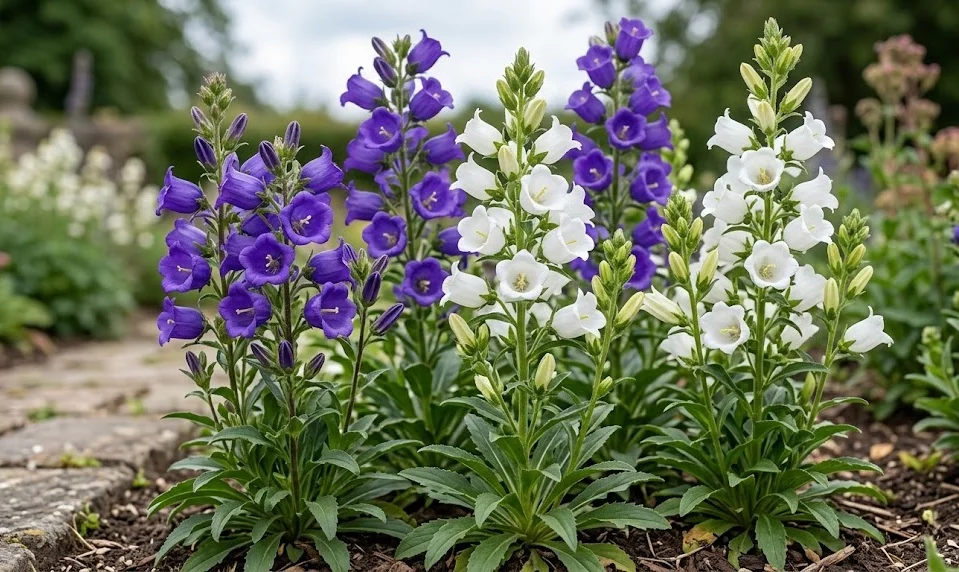
As the second year begins and the flower stalks start to rise, the water requirements of the plant will increase significantly. Large amounts of moisture are needed to maintain the turgidity of the tall stems and the numerous bell-shaped flowers. If the plant becomes dehydrated during this critical time, the flowers may wilt prematurely and never fully recover their beauty. You will notice that the plants look their best when they have a steady supply of cool water during the early morning hours.
In the late summer, after the main blooming period has ended, you can gradually reduce the frequency of your watering sessions. The plant’s metabolic rate slows down as it finishes its life cycle or prepares for the setting of seeds. However, do not let the soil become bone-dry if you have young first-year plants nearby that still need support. Observing the weather and adjusting your routine accordingly is the hallmark of an attentive and expert gardener.
More articles on this topic
Identifying nutrient requirements
Feeding your plants requires an understanding of the different types of fertilizers and how they affect growth and flowering. During the initial growth phase, a fertilizer with a slightly higher nitrogen content helps build strong, lush green foliage. This provides the photosynthetic surface area needed to store energy for the massive effort of blooming the following year. However, you should avoid over-fertilizing with nitrogen late in the season, as this can lead to soft growth that is susceptible to frost.
Once the plants enter their second spring, you should switch to a balanced fertilizer or one with a higher phosphorus content. Phosphorus is the primary nutrient responsible for flower development and root strength, making it essential for a grand display. You can apply a granular slow-release fertilizer in early spring to provide a steady stream of nutrients over several months. This reduces the risk of nutrient spikes that can sometimes cause the plant to grow too quickly and become weak.
Signs of nutrient deficiency are usually visible in the leaves and can be addressed if caught early enough by the gardener. Yellowing leaves with green veins often indicate a lack of iron or magnesium, which can be corrected with specific supplements. If the lower leaves are turning yellow and falling off, the plant might be lacking nitrogen or suffering from inconsistent watering. Learning to read these signals allows you to adjust your fertilization strategy to meet the specific needs of your garden.
It is always better to under-fertilize than to over-fertilize, as excess salts can build up in the soil and burn the delicate roots. Always follow the manufacturer’s instructions on the packaging and water the plants thoroughly after applying any granular product. If you prefer liquid fertilizers, apply them every two to three weeks during the peak growing season for the best results. Professional-grade results are often achieved by these small, consistent applications rather than occasional heavy feedings.
More articles on this topic
Organic fertilization options
Many expert gardeners prefer to use organic methods to nourish their plants and improve the overall health of the soil ecosystem. Incorporating well-rotted compost into the planting bed provides a wide range of micronutrients and beneficial microbes. This organic matter also improves the soil’s ability to hold water, which is a major benefit for moisture-loving species like these. You can apply a layer of compost as a top-dressing each spring to give the plants a natural boost.
Liquid seaweed or fish emulsion are excellent organic choices for supplemental feeding throughout the growing season. These products are quickly absorbed by the roots and provide a gentle source of nutrients without the risk of chemical burns. They also contain growth hormones that can help the plants better tolerate environmental stresses like heat or wind. Applying these liquids every few weeks will result in darker green leaves and more resilient flower stalks.
Bone meal is another traditional organic amendment that is particularly high in phosphorus, making it ideal for the flowering stage. You can mix a small amount into the soil at the time of planting or scratch it into the surface in early spring. Because it breaks down slowly, it provides a long-lasting source of energy that supports the plant through its entire blooming period. This natural approach often leads to a more sustainable and balanced garden environment over the long term.
Using organic mulches like shredded bark or leaf mold also contributes to the fertility of the soil as they decompose over time. These materials protect the soil surface from erosion and keep the root zone cool and moist during the summer. As they break down, they release organic carbon and nutrients back into the earth, feeding the worms and other soil organisms. This holistic approach to gardening ensures that your Canterbury bells thrive in a rich and living soil.
Managing water and salt buildup
If you live in an area with hard water or use synthetic fertilizers, you must be aware of the potential for salt buildup in the soil. Over time, these mineral salts can accumulate around the roots and prevent the plant from taking up water and nutrients efficiently. One sign of this problem is the appearance of brown, crispy edges on the leaves, even when the soil is wet. You can prevent this by occasionally “flushing” the soil with large amounts of plain rainwater or distilled water.
Ensuring proper drainage is the best way to prevent the harmful effects of salt accumulation and waterlogging. If the water sits in the root zone for too long, it excludes oxygen and leads to the death of the fine root hairs. You can check the drainage of your garden bed by digging a small hole and filling it with water to see how fast it disappears. If it takes more than an hour to drain, you should consider raising the bed or adding more organic material to the soil.
During periods of heavy rain, you may need to suspend your regular watering schedule to allow the ground to dry out slightly. Constantly saturated soil is the primary cause of crown rot, which can kill even a large and healthy plant in a matter of days. If you notice the base of the plant becoming soft or discolored, reduce moisture immediately and improve the airflow around the site. Professional gardeners are always careful to monitor the natural rainfall before adding more water manually.
Using a rain gauge is a simple but effective tool for tracking how much moisture your garden is actually receiving each week. Most garden plants, including this species, need about twenty-five millimeters of water per week for optimal growth. If the rain provides this amount, you can skip your watering duties and focus on other maintenance tasks like weeding. This data-driven approach to gardening ensures that you are providing exactly what the plants need without wasting resources.
Balancing hydration and nutrition
The relationship between water and fertilizer is synergistic, as nutrients can only be absorbed when they are dissolved in moisture. If you apply fertilizer to dry soil, you run a high risk of burning the roots and causing permanent damage to the plant. Always ensure that the ground is moist before feeding and follow up with another light watering to wash the nutrients down into the root zone. This ensures that the plant can immediately begin to utilize the food you have provided.
In very hot weather, the plant may lose water through its leaves faster than the roots can replace it, even if the soil is wet. This temporary wilting is a defense mechanism and usually resolves itself once the sun goes down and the temperatures drop. You should avoid the temptation to overwater during these midday slumps, as the roots are likely already doing their best. Instead, consider providing some temporary shade to help the plant cope with the intense solar radiation.
Adjusting your strategy based on the specific growth stage of the plant is the mark of an expert grower. A young rosette in its first year needs steady, moderate care to build its strength for the future. In contrast, a flowering adult in its second year is a high-performance organism that requires intensive support and resources. By tailoring your watering and fertilization to these changing needs, you will achieve the best possible results in your garden.
Consistency in your care routine builds a predictable environment where the plants can truly flourish and show their full potential. When you provide high-quality water and the right balance of nutrients, the Canterbury bells will reward you with a breathtaking display. You will find that the time spent managing these details is well worth the effort when the first bells begin to open in late spring. Professional gardening is all about this careful attention to the fundamental needs of every plant in your collection.