
Growing the himalayan honeysuckle requires a bit of patience and an eye for detail if you want to see it thrive. This deciduous shrub is known for its hollow stems and beautiful hanging flowers that attract various birds and insects to the garden. While it is relatively hardy, understanding its specific needs will ensure that it remains a vibrant part of your landscape for many years. You should pay close attention to the soil and light conditions to get the most out of its unique aesthetic features.
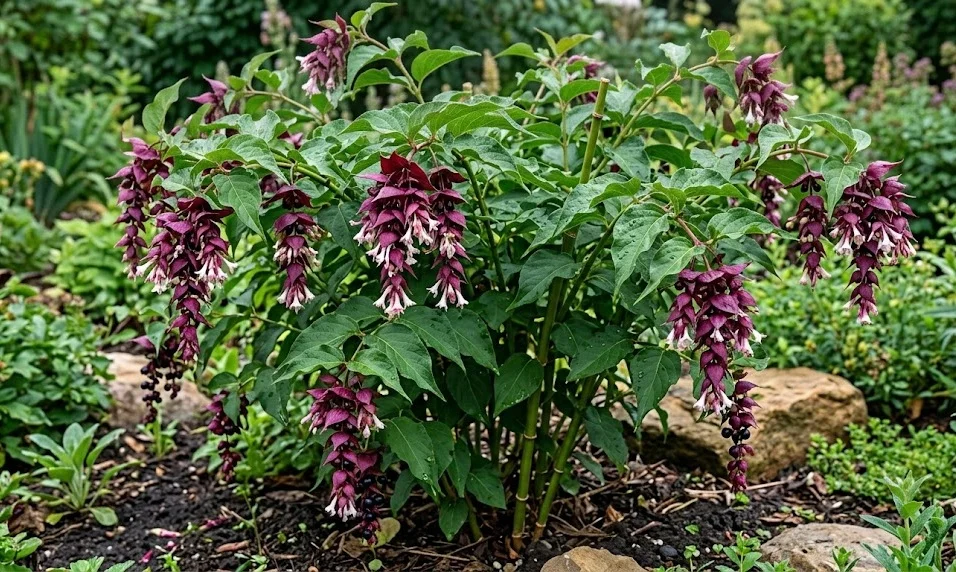
The plant typically reaches a height of about two meters and spreads quite wide if left to its own devices. You will notice that the stems are bamboo-like and have a distinct green color throughout the year. These stems are actually quite fragile and can break under heavy wind or snow loads. Regular observation helps you identify if the plant is becoming too leggy or if it needs structural support.
Seasonal changes significantly impact how this shrub looks and behaves in your outdoor space. During the late summer and autumn, the purple bracts and dark berries become the focal point of the garden. You might see pheasants or other birds visiting the bush to feast on these nutmeg-flavored fruits. Keeping the area around the base clean will help prevent unwanted seedlings from popping up everywhere next season.
General maintenance is quite straightforward once the shrub has established its root system in the ground. You need to keep an eye on the moisture levels during particularly dry spells in the summer months. Removing any dead or damaged wood in the spring will encourage fresh growth from the base. This ensures that the plant maintains a lush and healthy appearance throughout the growing season.
Optimizing the garden environment
Finding the right spot in your garden is the first step toward successful cultivation of this species. It prefers a position that is sheltered from cold, drying winds that can damage the soft stems. While it can tolerate a variety of soil types, it truly flourishes in fertile and well-drained earth. You should avoid areas where water tends to sit for long periods after a heavy rain.
More articles on this topic
Soil quality plays a vital role in the intensity of the foliage color and the abundance of flowers. Adding some organic matter like well-rotted compost before planting can give the shrub a great start. If your garden has very heavy clay soil, you might want to incorporate some grit to improve drainage. This prevents the roots from rotting and helps the plant survive wetter winters more effectively.
The surrounding plants also influence how well your honeysuckle integrates into the local ecosystem. It looks fantastic when paired with other woodland plants that enjoy similar semi-shaded conditions. You should give it enough space to breathe so that air circulation remains optimal around the branches. This reduces the risk of mildew and other common garden issues that thrive in stagnant air.
Microclimates within your garden can be used to your advantage when placing this particular shrub. A south-facing wall or a spot near a fence can provide the extra warmth it enjoys during the spring. If you live in a colder region, providing this extra protection can prevent the stems from dying back to the ground. Observing how the sun moves across your yard will help you pick the most suitable location.
Monitoring seasonal transitions
As spring arrives, you will see new shoots emerging from the hollow stems or directly from the root crown. This is the best time to assess any winter damage and tidy up the overall shape of the bush. You should wait until the threat of hard frost has passed before doing any major work. Early growth is quite tender and can be easily scorched by a sudden dip in temperature.
More articles on this topic
During the height of summer, the plant focuses its energy on producing those iconic pendulous flower racemes. You will notice the contrast between the green leaves and the deep purple bracts that surround the white flowers. This period requires consistent monitoring to ensure the plant does not suffer from extreme heat stress. Providing a thick layer of mulch can help keep the roots cool and moist during July and August.
Autumn is perhaps the most spectacular time for this shrub as the berries begin to ripen and darken. The foliage may turn interesting shades of yellow or bronze before eventually dropping for the winter. You will find that the berries stay on the plant for quite a while, providing a late-season food source for wildlife. It is a good time to take note of which branches produced the most flowers for future reference.
Winter care is mostly about protection and ensuring the plant does not succumb to extreme freezing. Even if the top growth dies back during a harsh winter, the roots often survive to send up new shoots. You should leave the fallen leaves around the base to act as a natural insulating blanket. Once the plant goes dormant, there is very little work required until the cycle begins again in the spring.
Enhancing aesthetic appeal
The architectural form of this shrub makes it a great choice for adding height and structure to a border. Its upright, arching habit creates a sense of movement when a light breeze passes through the garden. You can use it as a backdrop for lower-growing perennials that bloom earlier in the year. The combination of different textures and colors will make your garden look professionally designed and well-balanced.
To keep the flowers at eye level, you might need to occasionally thin out the older stems. This allows more light to reach the center of the bush and promotes flowering on the interior branches. You will find that the most vibrant bracts usually appear on the current year’s growth. By managing the age of the wood, you can control the density and the visual impact of the blooms.
The berries are not just for the birds; they add a unique texture to the autumn garden landscape. Their dark, almost black color contrasts beautifully with the fading greens of the surrounding foliage. You should resist the urge to tidy up the plant too early in the fall to enjoy this display. Watching the transition from flower to fruit is one of the most rewarding aspects of keeping this plant.
Using the himalayan honeysuckle in floral arrangements is another way to bring its beauty into your home. The arching stems with their hanging flowers look stunning in tall vases and last a decent amount of time. You should cut the stems early in the morning when they are most hydrated for the best results. This also encourages the plant to produce even more flowers if done during the peak blooming season.
Dealing with environmental stressors
Extreme weather conditions can sometimes test the resilience of even the healthiest garden plants. During prolonged droughts, you might notice the leaves starting to wilt or turn yellow at the edges. This is a clear sign that the shrub is struggling to pull enough moisture from the deep soil layers. Deep watering once a week is much more effective than light daily sprinkling in these situations.
High winds can be particularly damaging to the hollow, bamboo-like stems of this species. If your garden is in an exposed area, you might see stems snapping or leaning at awkward angles after a storm. You can prevent this by providing some discreet staking or by planting it near a sturdy hedge. Pruning the plant to a more compact shape also reduces the surface area that catches the wind.
Unexpected late spring frosts are another challenge that can damage the emerging flower buds and soft foliage. If a frost is forecasted, you can cover smaller plants with a layer of horticultural fleece for the night. While the plant usually recovers, the initial blooming period might be delayed or less profuse. Keeping the plant well-fed and healthy makes it much more likely to bounce back from such setbacks.
Soil compaction can also lead to stress by preventing oxygen and water from reaching the root zone. You should avoid walking frequently around the base of the shrub, especially when the ground is wet. If the soil becomes too hard, you can gently aerate it with a garden fork without disturbing the roots. Adding organic mulch every year is the best way to maintain a loose and healthy soil structure.
Maintaining long term health
A healthy plant starts with a strong root system that can support years of vigorous top growth. You should avoid over-fertilizing with high-nitrogen products, as this can lead to soft, weak stems. A balanced, slow-release organic fertilizer applied in the spring is usually all the plant needs. This encourages steady growth that is more resistant to pests and environmental changes.
Regularly inspecting the stems for signs of age or disease will help you keep the shrub in top condition. Older stems can become woody and less productive over time, so they should be removed to make room for new ones. You will notice that the youngest stems have the brightest green color and the most flexibility. Keeping a mix of ages within the plant ensures a continuous cycle of renewal and flowering.
Sanitation is a key part of maintaining a healthy garden environment for all your plants. You should remove any fallen leaves that show signs of spotting or mold to prevent issues from spreading. Cleaning your pruning tools between uses is also a vital habit to prevent the transfer of pathogens. A clean garden is a resilient garden where plants like the honeysuckle can truly shine.
As the plant matures, it might begin to spread beyond its intended space through underground runners. You can easily manage this by digging up the stray shoots and either composting them or giving them to friends. Keeping the shrub within its bounds prevents it from competing too heavily with its neighbors. This proactive management keeps the garden looking tidy and ensures each plant has the resources it needs.
Interaction with local wildlife
One of the greatest joys of growing this shrub is the variety of life it brings to your outdoor space. The nectar-rich flowers are a favorite for bees, butterflies, and even some species of moths. You will find that your garden becomes a much busier place during the mid-summer blooming period. This biodiversity is a sign of a healthy and well-functioning garden ecosystem.
The berries that follow the flowers are a significant food source for many garden birds in the autumn. Pheasants are particularly fond of them, which is why the plant is sometimes called the pheasant berry. You might also see blackbirds and thrushes visiting the shrub to pick off the ripe fruits. Watching these animals interact with the plant adds a dynamic layer of interest to your gardening experience.
Beneficial insects often find shelter within the dense foliage and the hollow stems of the plant. Ladybugs and lacewings may use the shrub as a hunting ground for smaller pests like aphids. By providing this habitat, you are encouraging a natural form of pest control in your garden. This reduces the need for chemical interventions and promotes a more organic way of growing.
Even in the winter, the skeletal structure of the shrub can provide cover for small birds during cold nights. The remaining berries and the shelter of the stems make it a valuable asset for local wildlife year-round. You are not just growing a plant; you are creating a small sanctuary for the creatures that share your environment. This connection to nature is what makes gardening such a fulfilling and professional pursuit.