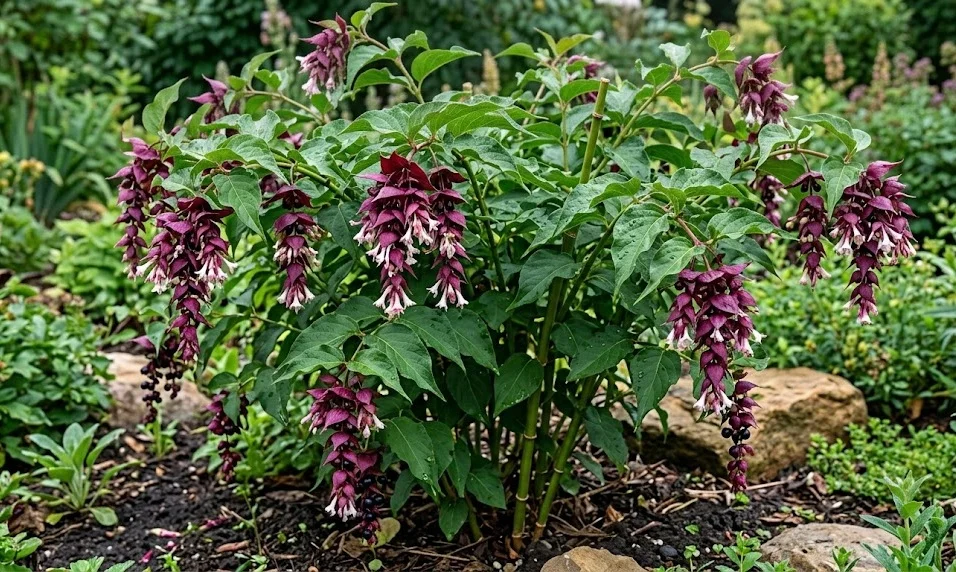

Regular pruning is the most effective way to manage the size, shape, and flowering potential of your himalayan honeysuckle. Because this shrub grows quite quickly and produces flowers on new wood, it responds exceptionally well to a professional approach to cutting back. You don’t need to be afraid of hurting the plant, as it is incredibly resilient and will often bounce back with even more vigor after a major prune. Taking the time to understand the “why” and “when” of pruning will help you maintain a spectacular garden feature for many years.
The primary goal of pruning this species is to encourage a continuous supply of the vibrant, hollow green stems that carry the flowers. Over time, older stems can become woody, gray, and much less productive, eventually making the bush look messy and cluttered. By removing a portion of these older stems each year, you make room for fresh growth to emerge from the base. This cycle of renewal is what keeps the shrub looking young and full of life throughout its entire existence.
Timing is everything when it comes to cutting back your honeysuckle, and the best window for major work is in the early spring. You should wait until the worst of the winter weather has passed and you can see the new buds just beginning to swell on the stems. Pruning too early in the winter can expose the soft interior of the hollow stems to frost damage, which can travel down to the root crown. A spring prune ensures that the plant’s energy is directed immediately into the new growing season’s shoots.
You should always use sharp, clean tools to make your cuts, as this ensures the wounds heal quickly and reduces the risk of disease. Bypass loppers are usually the best choice for the thicker, bamboo-like stems, while hand pruners work well for the smaller branches. Cleaning your tools with a bit of alcohol between plants is a professional habit that prevents the spread of pathogens throughout your garden. A clean cut is not just about aesthetics; it is a vital part of the plant’s overall healthcare routine.
Techniques for flowering
To get the most impressive display of hanging flowers, you should focus your pruning efforts on promoting the current year’s growth. Since the flowers are produced at the ends of the new stems, a hard prune in the spring will result in a massive flush of blooms later in the summer. You can cut the entire plant back to within fifteen or twenty centimeters of the ground if you want to completely rejuvenate it. This “coppicing” technique is very common for this species and results in a dense, lush bush by mid-summer.
More articles on this topic
If you prefer a taller, more arching look, you can use a more selective pruning method instead of cutting everything to the ground. You should identify the oldest, most woody stems and remove them entirely at the base, leaving the younger, greener stems to grow on. This thins out the center of the plant, improving light penetration and air circulation while maintaining the shrub’s overall height. You will find that this method gives you a more “structured” look that works well in a traditional border.
Heading back the side branches can also help to increase the number of flowering points on an individual stem. If a stem is becoming too long and leggy, you can cut it back to just above a healthy pair of leaves or buds. This encourages the plant to branch out, creating a fuller appearance and more places for the pendulous flower racemes to form. It is a simple way to “design” the shape of your shrub as it grows throughout the spring and early summer.
Don’t be afraid to do some light “tidying up” during the growing season if you notice any damaged or crossing branches. Removing these minor issues early prevents them from becoming bigger problems later and keeps the plant’s energy focused on healthy growth. You should always cut back to a healthy node or all the way to the main stem to avoid leaving “stubs” that can rot. This continuous, light maintenance is often easier and more effective than waiting for one big pruning event every year.
Dealing with frost damage through pruning
In colder climates, it is very common for the upper parts of the stems to be killed back by severe winter frosts. When spring arrives, you should wait until you can clearly see where the healthy new growth is starting before you reach for your shears. The dead wood will be brittle and brown, while the living stems will be green and have swelling, vibrant buds. Simply cut the dead parts back to about a centimeter above the highest healthy bud on each stem.
More articles on this topic
If the entire plant has died back to the ground, you should cut all the old stems off at soil level to make a clean start. This might seem drastic, but the himalayan honeysuckle is a “herbaceous-like” shrub in cold regions and will regrow remarkably fast. You will often see new shoots emerging from the ground within just a few weeks of the first warm spring rains. This ability to self-rejuvenate is one of the reasons it is such a popular choice for gardens in variable climates.
After a particularly harsh winter, you might find that some of the surviving stems are cracked or split from the freezing temperatures. Even if they have green leaves, these damaged stems are weak and likely to break later in the year under the weight of the flowers and berries. It is usually best to remove these compromised stems at the base to encourage the plant to replace them with stronger, healthier growth. Professional pruning is often about making these tough decisions for the long-term benefit of the plant.
Once you have finished your spring pruning, it is a great idea to give the plant a little extra care to help it recover. Applying a layer of fresh compost and a balanced organic fertilizer will provide the nutrients needed for the rapid regrowth that follows. You should also ensure the plant is well-watered if the spring is particularly dry, as new shoots are very thirsty. With this support, your honeysuckle will quickly hide the evidence of your pruning and become a highlight of your summer garden.