
The amount of light your himalayan honeysuckle receives is one of the most significant factors in determining its overall health and beauty. This plant is naturally a forest edge inhabitant, meaning it has evolved to thrive in a variety of lighting conditions throughout the day. While it is quite adaptable, finding the perfect balance between sun and shade will reward you with the best flower production and foliage color. You should observe how the light moves through your garden at different times of the year to pick the absolute best spot.
In its native environment, this shrub often grows under the dappled shade of larger trees, receiving filtered sunlight for most of the day. In a garden setting, it will perform very well in full sun, provided the soil is kept moist and the climate isn’t excessively hot. However, in regions with very intense summer sun, the leaves can sometimes become scorched or turn a pale, washed-out green. Providing some light afternoon shade in these areas can help keep the foliage looking fresh and vibrant all season long.
Shade tolerance is another great feature of this plant, making it useful for those tricky corners of the garden where other shrubs might struggle. It will grow quite happily in partial shade, though you might find that the growth is a bit more open and “leggy” than in a sunnier spot. The most important trade-off with more shade is a potential reduction in the number and intensity of the flowers. If your main goal is the spectacular floral display, aiming for at least half a day of direct sun is usually the best approach.
Light also plays a role in the timing and duration of the flowering and fruiting cycle each year. Plants in sunnier positions tend to bloom a bit earlier and may produce a more concentrated burst of color in late summer. Those in shadier spots might have a more prolonged but less intense blooming period that lasts well into the autumn. Understanding these subtle differences allows you to use the plant strategically to create the visual impact you want in your landscape.
Finding the balance of sun
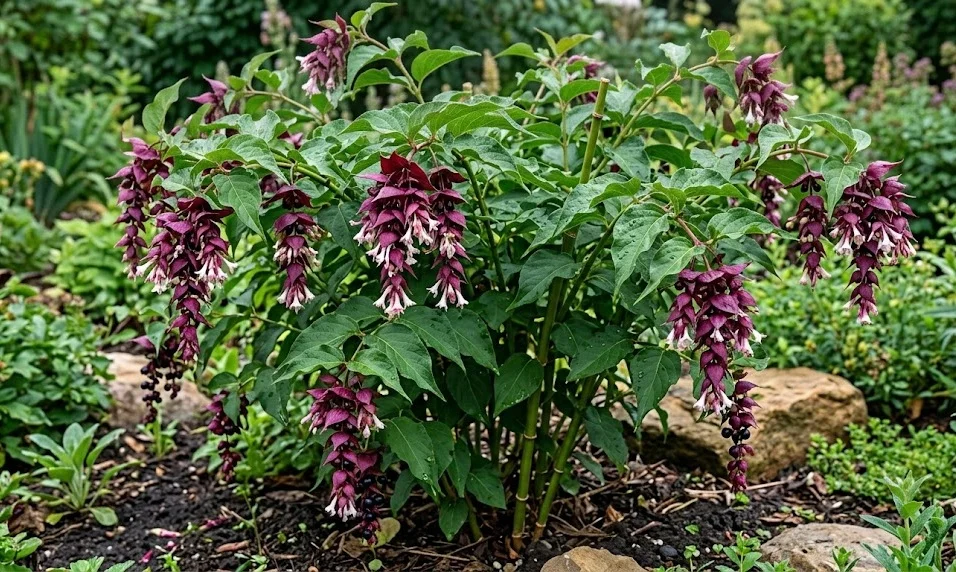
For most gardens in temperate climates, a position that offers six to eight hours of direct sunlight is considered the “sweet spot” for this shrub. This amount of light provides enough energy for the plant to grow sturdily and produce a massive crop of its iconic hanging flowers. The bright light also intensifies the purple color of the bracts, making them stand out even more against the green leaves. You should prioritize the morning sun, which is less intense and less likely to cause heat stress than the late afternoon rays.
More articles on this topic
If your garden is particularly sunny and dry, you will need to be much more diligent about your watering and mulching routines. The combination of high light and low moisture can quickly lead to a stressed plant that is more vulnerable to pests and diseases. Providing a thick layer of organic mulch will help protect the roots from the heat of the sun and keep the soil temperature stable. In this case, the light isn’t the problem so much as the secondary effects of the heat it generates.
Observing the plant’s leaves can give you a lot of information about whether it is getting the right amount of light. Healthy leaves should be a deep, rich green with a slight gloss, showing no signs of browning at the edges or yellowing in the center. If the leaves look pale or yellowish, it could be a sign that the light is too intense or that the plant is struggling with the heat. Conversely, very dark green leaves on long, weak stems often indicate that the plant is reaching for more light in a spot that is too shady.
The seasonal angle of the sun also changes how much light your honeysuckle receives throughout the year. A spot that is in full sun during the height of summer might be in deep shade once the sun drops lower in the sky during the autumn. Fortunately, this plant is quite resilient and can handle these shifts without much trouble as long as its basic needs are met. Just be sure that the location you choose doesn’t become a dark, damp corner for the entire winter, as this can lead to issues with rot.
Evaluating shade performance
Many gardeners choose this species specifically because it can add structure and interest to partially shaded borders. In these settings, the plant’s arching habit and bamboo-like stems create a beautiful woodland feel that is very relaxing. You will find that the flowers have a more delicate appearance when they are not subjected to the harsh glare of the full sun. The dark berries also seem to glow more intensely in the softer light of a shaded garden area.
More articles on this topic
When growing in significant shade, you might need to be a bit more proactive with your pruning to prevent the plant from becoming too sparse. Removing some of the older wood will encourage new shoots to grow from the base, keeping the bush looking full and lush. You should also ensure that the soil isn’t too wet, as shade naturally slows down the rate of evaporation from the ground. A shaded spot that is also poorly drained is a recipe for root problems that can be difficult to fix later.
Air circulation is even more important in shaded locations where the dew and rain stay on the leaves for much longer. You should give the plant plenty of space and avoid crowding it with other large shrubs or low-hanging tree branches. This helps to prevent the development of powdery mildew, which is a common issue for plants in damp, shaded environments. A well-spaced plant in partial shade can be just as healthy and beautiful as one in full sun if you manage it correctly.
Shade can also be used to your advantage to extend the visual interest of the plant into the late autumn months. Because the temperatures are cooler and the light is less intense, the berries may take longer to ripen and will stay on the plant for a greater duration. This provides a longer window of time for you to enjoy the display and for the birds to find the fruits. Professional garden design is often about using these environmental factors to manipulate the timing of your garden’s highlights.
Managing intense summer exposure
In regions with very high summer temperatures and clear skies, protecting your honeysuckle from the “solar noon” is a professional necessity. You might notice that the leaves droop significantly during the hottest part of the day as the plant tries to conserve moisture. While they usually bounce back in the evening, this daily stress can take a toll on the plant’s overall growth and flowering potential. Planting on the east side of a building or a tall fence can provide the perfect natural “shade clock” for the afternoon.
If you cannot move a plant that is struggling in too much sun, you can create temporary shade using a piece of lattice or a garden screen. This can be especially helpful for young plants that are still establishing their root systems and haven’t built up their resilience yet. Once the plant grows larger and its own foliage starts to shade its inner stems and roots, it will naturally become better at handling the sun. Think of this as giving your plant a little bit of help until it can take care of itself.
Sunlight also affects the soil temperature, which in turn influences the health of the beneficial microbes and the roots. In a very sunny spot, the top few inches of soil can become incredibly hot, which can damage the delicate feeder roots of the shrub. Using a light-colored mulch, like straw or pale gravel, can reflect some of the heat and keep the root zone significantly cooler. This is a simple but highly effective way to manage the environmental impact of high light levels in your garden.
Finally, remember that the “light requirement” of a plant is not a static rule but a flexible guideline that depends on your specific climate. What counts as “full sun” in a northern garden might be considered “partial shade” in a much hotter, more southern location. Trust your eyes and the appearance of the plant more than any label or book description you might read. A happy himalayan honeysuckle will tell you exactly when it has found its perfect place in the sun.