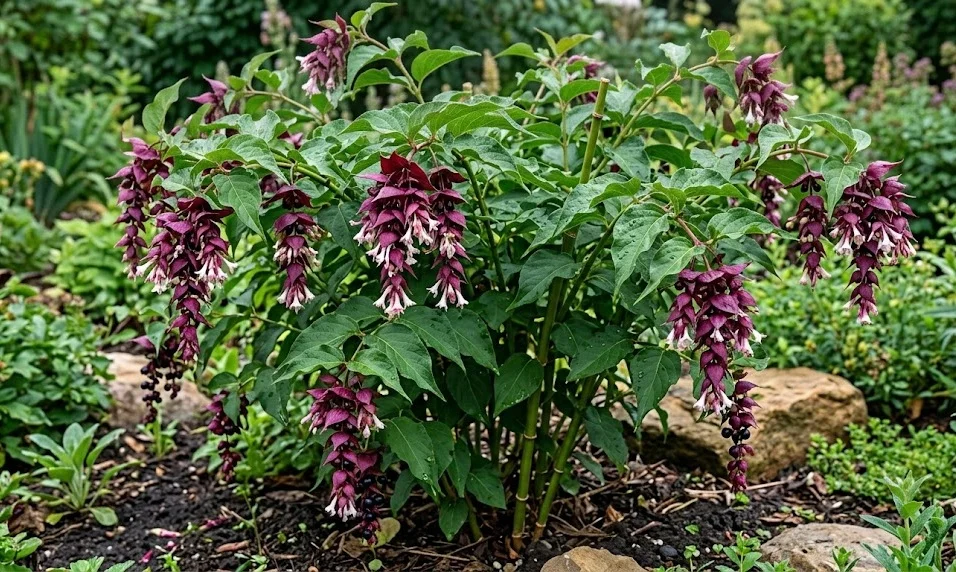

Properly managing the moisture and nutrient levels for your himalayan honeysuckle is the secret to a lush and productive shrub. While it is known for being relatively self-sufficient once established, consistent care during the early years makes a massive difference. You should aim to mimic the naturally moist but well-drained conditions of its native woodland habitats for the best results. A thoughtful approach to watering and feeding will result in more vibrant flowers and a healthier overall plant structure.
During the first growing season after planting, the shrub needs regular attention to ensure its roots don’t dry out. You should check the soil moisture levels at least once or twice a week, depending on the local weather conditions. The goal is to keep the earth consistently damp but never saturated to the point of being soggy. If the top inch of soil feels dry to the touch, it is usually time to give the plant a deep drink.
As the plant matures and its root system extends deeper into the ground, it becomes more drought-tolerant. However, during particularly long and hot summer spells, the plant will appreciate an occasional deep soak to maintain its vigor. You will notice that the leaves might lose their turgidity and look a bit dull if the plant is suffering from lack of water. Providing water early in the morning or late in the evening reduces the amount lost to evaporation.
Watering at the base of the plant is much more effective and safer than spraying the foliage from above. This ensures that the moisture reaches the root zone where it is needed most and keeps the leaves dry to prevent fungal issues. You can use a soaker hose or a simple watering can to deliver the water directly to the soil surface. This targeted approach is not only better for the plant but also more sustainable for your garden resources.
Techniques for efficient irrigation
Efficiency in watering is about making sure every drop counts and reaches the plant’s root system effectively. You should consider creating a small depression or a “saucer” around the base of the plant when you first put it in the ground. This helps to catch and direct water toward the center of the root ball rather than letting it run off the surface. It is a simple professional trick that can save a lot of time and water over the season.
More articles on this topic
Mulching is perhaps the most important tool you have for managing soil moisture levels around your honeysuckle. A thick layer of organic mulch, such as bark chips or well-rotted garden compost, acts as an insulating barrier. It prevents the sun from baking the soil surface and significantly slows down the rate of moisture evaporation. You should apply this mulch in the spring while the soil is still naturally damp from winter rains.
Using a rain gauge in your garden can help you track how much natural precipitation your plants are actually receiving. Sometimes a light summer shower looks significant but doesn’t actually penetrate deep enough into the soil to help the roots. If the gauge shows less than an inch of rain for the week, you should consider stepping in with supplemental watering. This data-driven approach takes the guesswork out of your garden maintenance routine and ensures consistency.
The type of soil you have will also dictate how you should manage your irrigation schedule throughout the year. Sandy soils drain very quickly and will require more frequent, shorter watering sessions to keep the plant happy. In contrast, heavy clay soils hold onto moisture for much longer and can easily become waterlogged if you are not careful. Understanding your specific garden conditions allows you to tailor your watering technique to the exact needs of the shrub.
Essential nutrients for growth
The himalayan honeysuckle is a vigorous grower and needs a steady supply of nutrients to produce its large leaves and many flowers. Nitrogen is essential for the development of those iconic green stems and lush foliage during the early spring. However, you should be careful not to over-apply nitrogen, as it can lead to weak, leggy growth that is prone to breaking. A balanced approach is always the best way to ensure a sturdy and beautiful specimen.
More articles on this topic
Phosphorus and potassium are the two other major nutrients that play a vital role in the plant’s reproductive success. Phosphorus helps with the development of a strong root system and the formation of healthy flower buds. Potassium is important for overall plant health, improving disease resistance and the quality of the berries that follow the flowers. Using a fertilizer that includes these elements in the correct proportions will support the plant through its entire lifecycle.
Micronutrients like iron, magnesium, and calcium are also needed in smaller quantities to prevent leaf yellowing and other physiological issues. You can often find these included in high-quality organic fertilizers or by adding a layer of fresh compost every year. Soil pH can affect how easily the plant can absorb these nutrients, so keeping the soil near neutral is generally recommended. A healthy soil ecosystem full of beneficial microbes will help make these nutrients more available to the roots.
If you notice that your plant is growing slowly or the leaves look pale, it might be a sign of a nutrient deficiency. You should conduct a simple soil test to see exactly what might be missing before you start adding random supplements. This professional step prevents you from over-fertilizing, which can be just as damaging as not fertilizing at all. Gardening is as much about chemistry and observation as it is about physical work in the dirt.
The seasonal feeding calendar
Timing your fertilizer applications is just as important as choosing the right product for your garden. You should give your honeysuckle its primary feeding in the early spring, just as the new growth begins to emerge. This gives the plant the energy it needs to push out fresh stems and prepare for the upcoming flowering season. A slow-release granular fertilizer is often the most convenient choice for this initial spring application.
During the mid-summer, you might want to provide a light liquid feed to help sustain the blooming period. This is especially helpful if your plant is growing in a container or in very sandy soil where nutrients leach away quickly. Avoid fertilizing late in the autumn, as this can encourage new growth that won’t have time to harden off before the frost. You want the plant to start slowing down and preparing for dormancy as the days get shorter.
In the late autumn, instead of chemical fertilizers, you should focus on replenishing the organic matter in the soil. Spreading a fresh layer of compost or well-rotted manure around the base of the plant provides a slow, natural source of nutrients. This also helps to improve the soil structure over the winter months, making it ready for the next growing season. This natural cycle of feeding mimics the way nutrients are recycled on the forest floor in the wild.
Consistency is the key to a healthy feeding schedule, but you should always be prepared to adjust based on the plant’s appearance. If the shrub is already growing very vigorously and looks healthy, you might not need to add much fertilizer at all. Over-feeding can actually make the plant more attractive to pests like aphids, who love the soft, sap-rich new growth. Trust your observations and the health of the plant to guide your actions throughout the year.
Recognizing and fixing imbalances
Being able to read the signs your plant is giving you is a skill that develops with time and careful observation. Yellowing leaves with green veins, a condition known as chlorosis, often points to an iron or magnesium deficiency. This can sometimes be caused by the soil being too alkaline, which locks these nutrients away from the roots. Adding a bit of leaf mold or a specialized chelated iron product can help correct this issue relatively quickly.
Stunted growth and a lack of flowers can sometimes be a sign that the plant is not getting enough phosphorus. If your soil is very cold and wet in the spring, the roots might struggle to take up this essential element even if it is present. Ensuring the soil is well-drained and slightly warmer can often resolve the problem without needing heavy chemical intervention. Healthy roots are the foundation for any nutritional success you hope to achieve.
Brown or “burnt” leaf edges can sometimes be a sign of over-fertilization, especially if you have used high-salt synthetic products. If you suspect this is the case, you should flush the soil with plenty of fresh water to wash away the excess salts. Switching to organic fertilizers is a great way to prevent this from happening in the future, as they release nutrients more slowly. It is always better to under-feed slightly than to risk damaging the delicate root hairs with too much chemistry.
Finally, keep an eye out for signs that the plant is simply too happy and growing out of control. If the stems are very long and soft, they might flop over or snap easily in the wind, which is a sign of too much nitrogen. In this case, you should hold back on the fertilizer for a season and let the plant use up the existing reserves in the soil. A balanced plant is a resilient plant that will continue to grace your garden with its unique beauty.