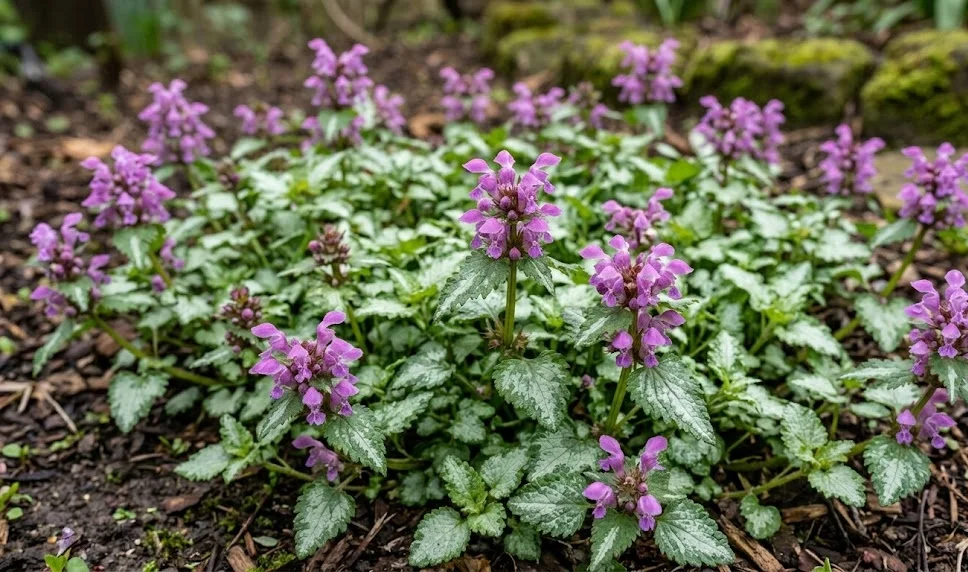

Understanding the specific light preferences of spotted dead-nettle is essential for maximizing both its aesthetic appeal and its biological health. This species is famously shade-tolerant, making it a cornerstone of woodland garden designs where light is often a limited resource. However, “shade-tolerant” does not mean “shade-exclusive,” and finding the perfect balance of light and shadow can influence everything from leaf color to flowering frequency. A professional approach involves analyzing the light patterns throughout the day and the seasons to provide the ideal environment for the plant.
The ideal shade spectrum
Spotted dead-nettle truly thrives in conditions that provide filtered or dappled light, similar to what it would receive under a forest canopy. This type of lighting allows for enough photosynthesis to maintain vigorous growth without the risk of leaf scorch. High-canopy trees with small leaves, such as birch or locust, provide an excellent environment for this species. In these settings, the silver patterns on the foliage often appear more vibrant and reflective.
Full shade is tolerated by many cultivars, but it can sometimes result in a less dense mat of foliage and fewer flowers. In very deep shade, the stems may become slightly elongated or “leggy” as the plant reaches toward the nearest light source. While the plant will survive in these conditions, it may not achieve the lush, carpet-like appearance that most gardeners desire. Periodic thinning of the overhead canopy can help introduce just enough light to invigorate a colony in deep shade.
Morning sun followed by afternoon shade is often considered the “sweet spot” for many variegated varieties. The gentle light of the early morning provides the energy needed for growth, while the shade of the afternoon protects the delicate leaves from the harshest UV rays. This daily cycle of light and rest helps maintain the plant’s moisture levels and prevents heat stress. Observing how the shadows move across the garden bed will help in placing the plants for maximum effect.
Total exclusion of light, such as in a very dark corner or under heavy evergreen shrubs, will eventually lead to the decline of the plant. Like all green plants, it requires a minimum threshold of light to produce the energy necessary for survival. If the foliage begins to turn pale or if new leaves are significantly smaller than usual, it may be a sign that the light levels are too low. Moving the plant to a slightly brighter location can often lead to a rapid recovery.
More articles on this topic
Managing the impact of direct sun
Direct, intense sunlight is perhaps the greatest challenge for spotted dead-nettle, especially during the peak of summer. The thin, delicate leaves are prone to sunscald, which manifests as brown, crispy edges or bleached patches on the silver areas. If a planting site receives more than a few hours of direct afternoon sun, it is important to monitor the plants closely for these signs of damage. Providing temporary shade or increasing the moisture in the soil can help mitigate some of the effects of excessive light.
The silver variegation that makes this plant so beautiful actually plays a functional role in its light management. These lighter areas contain fewer chlorophyll-bearing cells and can act as reflectors, helping the plant manage light in low-intensity environments. However, these same areas are more sensitive to high-intensity light and can be the first to show signs of damage. Balancing the need for light with the protection of these unique aesthetic features is a key part of dead-nettle care.
Some newer cultivars have been bred for increased sun tolerance, but even these benefit from protection during the hottest part of the day. In northern climates with cooler summers, the plant may handle more sun than it would in southern, more humid regions. The local microclimate, including factors like humidity and wind, will influence how much direct sun the plant can safely endure. Flexibility and a willingness to adjust the environment are hallmarks of a professional gardener.
If a planting must be in a sunnier location, the addition of organic mulch is even more critical for keeping the roots cool. Moist soil can help the plant withstand more intense light by providing the resources needed for evaporative cooling. However, if the plant consistently wilts or loses its color, it is a clear signal that the light intensity is too high. Shifting the bed or planting a taller companion plant to provide shade are effective long-term solutions.
More articles on this topic
Seasonal and atmospheric light shifts
Light levels in the garden are not static; they change significantly with the seasons and even with the time of day. In the early spring, before deciduous trees have fully leafed out, the groundcover may receive a burst of intense light that encourages early growth. This “spring window” is an important time for the plant to store energy for the rest of the year. As the canopy closes, the plant transitions into its shaded, summer growth phase.
Atmospheric conditions, such as clouds or smog, also influence the quality and quantity of light reaching the garden floor. On overcast days, the light is naturally diffused, providing a very even and gentle environment for shaded plants. This diffused light is often when the silver variegation of the dead-nettle looks its most striking, as there are no harsh shadows to obscure the patterns. Understanding these subtle shifts helps in appreciating the dynamic beauty of the groundcover.
In the autumn, as leaves fall from the trees, the light levels once again increase, signaling the plant to begin its preparation for winter. This late-season light is less intense than in the spring but still provides valuable energy for root development. Managing the leaf litter during this time is important to ensure the plant still receives the light it needs. A well-timed cleanup ensures that the plant can make the most of this final burst of seasonal energy.
Finally, the orientation of the garden site—whether it is north, south, east, or west-facing—dictates the overall light budget for the plants. North-facing sites are naturally cooler and shadier, making them ideal for this species without much intervention. South-facing sites may require more active management of light through the use of structures or larger plantings. By working with the natural light patterns of the site, a professional can create a thriving and sustainable landscape.