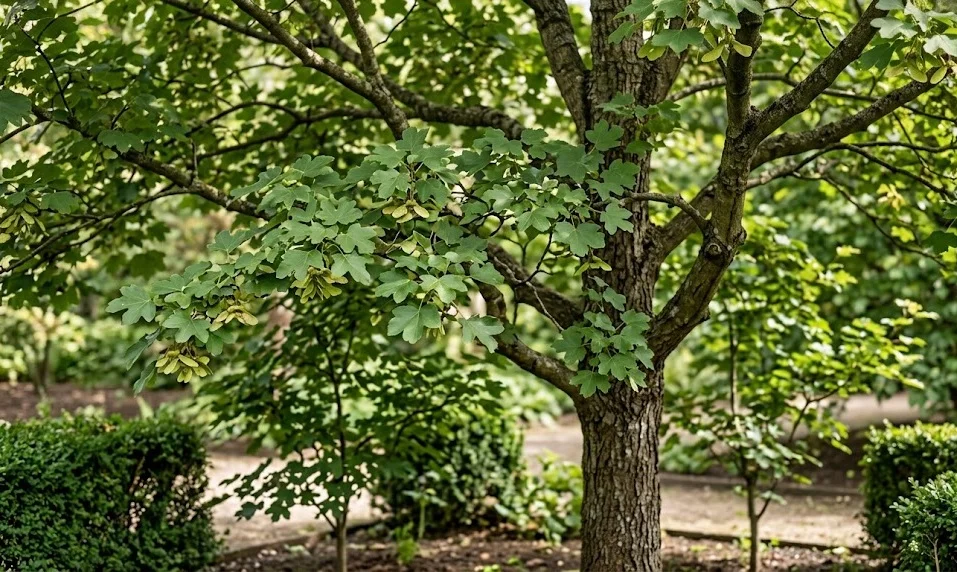

The field maple is generally a very healthy species, but like all trees, it can fall victim to certain fungal pathogens under the right conditions. Fungal issues are most common during wet, humid springs when the spores can easily travel through the air and settle on damp leaves. Recognizing the early symptoms of infection is the first step in preventing a minor issue from becoming a major health crisis for your tree. Most fungal problems are aesthetic, but some can weaken the tree if left untreated over several growing seasons.
Powdery mildew is one of the most frequent fungal visitors, appearing as a white, flour-like coating on the surface of the leaves. While it rarely kills the tree, it can cause the leaves to distort and drop prematurely, which reduces the tree’s overall vigor. You can minimize the risk by ensuring there is plenty of air circulation through the canopy and avoiding overhead watering. If the infection is severe, there are several organic fungicides available that can help manage the spread of the spores.
Tar spot is another common fungal condition that manifests as distinct, black, circular spots on the leaves in late summer. This is primarily a cosmetic issue and does not cause any long-term damage to the health of the field maple. The fungus overwinters on fallen leaves, so the best way to control it is through diligent sanitation in the autumn. Raking up and disposing of all fallen foliage will significantly reduce the number of spores present for the following spring.
Verticillium wilt is a more serious fungal disease that affects the tree’s vascular system, preventing the flow of water and nutrients. Symptoms include sudden wilting and browning of leaves on one or more branches, often while the rest of the tree looks healthy. Unfortunately, there is no cure for this soil-borne fungus once it has infected the internal tissues of the tree. The best defense is to keep the tree as healthy as possible through proper watering and avoiding any root or trunk injuries.
Insect pests and their management
Aphids are small, sap-sucking insects that frequently colonize the tender new growth of the field maple in the spring. You might notice the leaves curling or becoming sticky with honeydew, which is a waste product excreted by the aphids. While a small population is harmless, large numbers can attract sooty mold and weaken the young shoots. A strong blast of water from a garden hose is often enough to dislodge the pests without the need for chemical intervention.
More articles on this topic
Maple gall mites are tiny arachnids that cause unusual, pimple-like growths or “galls” on the surface of the leaves. These galls can be red, green, or yellow and can look quite alarming to an unprepared gardener or homeowner. However, these growths are essentially harmless to the tree and are simply the plant’s reaction to the mites’ feeding activity. There is rarely any need for treatment, and the galls will simply fall away with the leaves in the autumn.
Scale insects are another group of pests that can occasionally be found clinging to the twigs and branches of the field maple. These insects look like small, immobile bumps and protect themselves with a hard, waxy outer shell. They feed on the sap and can cause branch dieback if the infestation becomes particularly heavy over several years. Horticultural oils applied during the dormant season are very effective at smothering these pests and controlling their population.
Caterpillars of various moth species may also use the field maple as a food source during their larval stage. Most of the time, the damage is minimal and the tree can easily replace the lost leaf tissue without any long-term ill effects. If you find a large number of caterpillars, you can often remove them by hand or encourage natural predators like birds into your garden. Maintaining a balanced ecosystem in your garden is the most sustainable way to keep pest populations under control.
Environmental and physiological disorders
Not all problems that look like diseases are actually caused by pathogens; some are simply the result of environmental stress. Leaf scorch occurs when the tree loses water through its leaves faster than the roots can replace it, usually during hot, windy weather. This results in brown, crispy edges on the leaves, which can look like a fungal infection but is purely a hydration issue. Providing extra water and mulch during heatwaves is the most effective way to prevent this common physiological problem.
More articles on this topic
Nutrient deficiencies can also manifest as leaf discolorations that might be mistaken for disease by an inexperienced eye. Chlorosis, or the yellowing of leaves while the veins remain green, is often a sign that the tree is struggling to absorb iron or manganese. This is frequently linked to soil pH issues rather than a total lack of nutrients in the surrounding ground. A simple soil test can help you distinguish between a genuine disease and a manageable nutritional imbalance.
Frost damage can occur in the late spring when tender new leaves are caught by an unexpected cold snap. The affected foliage will turn black or brown and may look like it has been hit by a sudden blight or bacterial infection. Fortunately, the field maple is very resilient and will usually produce a second flush of leaves once the weather warms up consistently. You should wait a few weeks before taking any action to see how the tree recovers on its own.
Mechanical damage to the trunk or branches can create entry points for various pests and diseases that wouldn’t otherwise be an issue. Lawnmowers and string trimmers are common culprits, causing wounds near the base of the tree that can be slow to heal. Once the protective bark is breached, wood-rotting fungi can gain a foothold and slowly compromise the structural integrity of the tree. Protecting the trunk with a mulch ring or a physical guard is a simple but vital part of pest and disease prevention.
Prevention strategies and garden hygiene
The best way to manage pests and diseases is to prevent them from occurring in the first place through good horticultural practices. A healthy tree is much better equipped to resist infections and recover from pest attacks than one that is stressed or malnourished. Focus on providing the right amount of water, maintaining soil health, and ensuring the tree is planted in an appropriate location. This proactive approach is the cornerstone of professional tree care and long-term landscape success.
Garden hygiene is a critical component of disease management, especially when dealing with fungal pathogens that overwinter in plant debris. Always clean your pruning tools with a disinfectant between trees to avoid spreading infections from one plant to another. Raking up fallen leaves and removing any dead or diseased wood from the tree should be a regular part of your maintenance routine. Proper disposal of infected material, rather than composting it, will help break the life cycle of many common pests.
Encouraging natural predators is a highly effective and environmentally friendly way to keep pest populations in check without using chemicals. Ladybugs, lacewings, and parasitic wasps are all natural enemies of aphids and other common garden pests. You can attract these beneficial insects by planting a variety of flowers and avoiding broad-spectrum insecticides that kill the “good bugs” along with the “bad” ones. A diverse and balanced garden environment is naturally more resistant to major pest outbreaks.
Regular inspections are the final piece of the puzzle, allowing you to catch potential problems while they are still small and manageable. Spend a few minutes each week walking around your tree and looking for any unusual spots, growths, or changes in leaf color. Catching an aphid infestation or a fungal infection early makes treatment much easier and more successful. This close connection with your plants is one of the joys of gardening and the secret to a thriving field maple.
Chemical and organic treatment options
If a problem becomes too severe for natural controls, you may need to consider more direct intervention using either organic or chemical treatments. Always start with the least toxic option, such as insecticidal soaps or neem oil, which are effective against many soft-bodied pests. These treatments have a lower impact on the surrounding environment and are generally safer for the person applying them. Read all labels carefully and follow the instructions exactly to ensure both safety and effectiveness.
Fungicides can be used to protect the tree from certain diseases, but they are most effective when applied before the infection becomes widespread. For diseases like powdery mildew, regular applications during the high-risk periods of spring and early summer can keep the foliage clean. Keep in mind that fungicides do not “cure” existing spots but rather prevent new ones from forming on the healthy tissue. Consistency and timing are the keys to success when using any type of fungal control.
Dormant sprays, such as horticultural oils or lime sulfur, are applied in the winter to kill overwintering pests and fungal spores. This is a very effective way to start the new growing season with a “clean slate” and reduce the need for treatments later in the year. Because these sprays are applied when the tree is dormant, there is less risk of damaging the leaves or harming active pollinators. It is a professional technique that can significantly improve the health of your field maple.
Ultimately, the goal of any treatment should be to support the tree’s natural defenses rather than simply eliminating every single bug or spot. Accept that a perfectly pristine tree is rare in nature and that a few minor blemishes are a normal part of a garden ecosystem. By focusing on overall health and using targeted treatments only when necessary, you can maintain a beautiful and resilient field maple. Your tree will reward your careful stewardship with many years of healthy, vibrant growth.