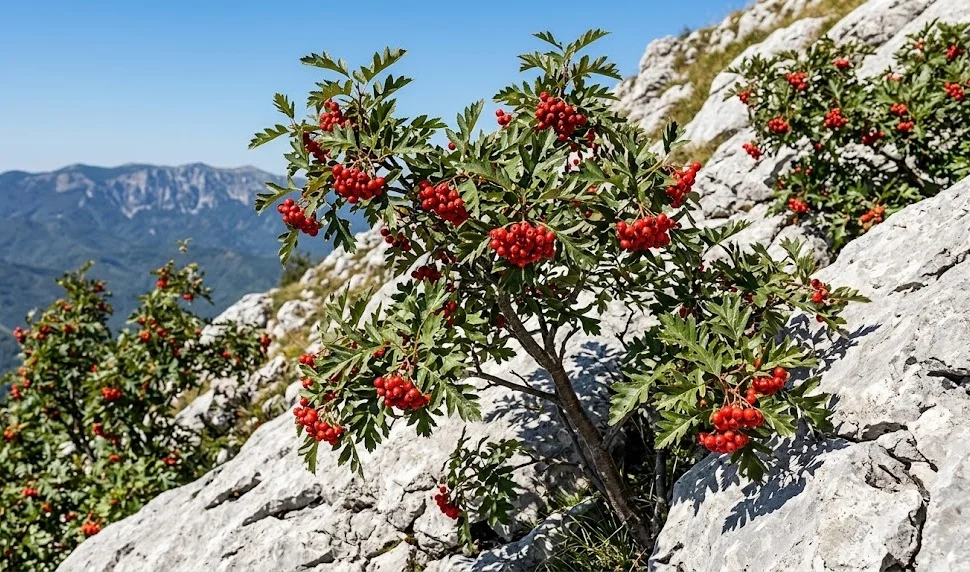

Proper management of this unique deciduous tree requires a deep understanding of its specific ecological needs and growth patterns. You must consider the environmental stressors that can affect its vitality throughout the different growing seasons. Maintaining a balance between natural conditions and garden interventions is the primary goal for any dedicated horticulturist. This guide outlines the essential steps to ensure your specimen thrives and reaches its full aesthetic potential.
Establishing a consistent routine for monitoring the tree’s health is the foundation of professional care. You should inspect the leaves regularly for any signs of discoloration or unusual spotting that might indicate stress. Checking the integrity of the bark can reveal hidden issues with pests or mechanical damage sustained during the year. Early intervention often prevents minor physiological setbacks from becoming significant problems for the plant’s longevity.
Soil health remains a critical component of the tree’s overall development and ability to withstand environmental pressure. You need to ensure the ground around the root zone remains aerated and free from excessive compaction. Adding organic mulch can help maintain a stable temperature and preserve the moisture levels required for healthy root function. Testing the soil pH periodically ensures that the nutrient availability matches the specific requirements of this mountain species.
Seasonal adjustments to your care strategy will help the tree transition smoothly between dormancy and active growth phases. During the peak of summer, focus on preventing heat stress by providing adequate shade or supplemental moisture if necessary. In the autumn, your attention should shift toward preparing the vascular system for the upcoming cold period. Each phase of the life cycle demands a tailored approach to ensure the tree remains resilient and vigorous.
Foundations of health and soil management
Selecting the right location is the first step toward a successful long-term care plan for this hardy species. You should look for a spot that mimics the well-drained, rocky soils found in its natural mountainous habitats. Avoid areas where water tends to pool, as stagnant moisture can quickly lead to root decay and secondary infections. A slightly acidic to neutral soil profile generally provides the best conditions for nutrient uptake and root expansion.
More articles on this topic
Improving the soil structure can be achieved by incorporating high-quality compost or well-rotted leaf mold into the top layers. You should aim to create a loose, friable texture that allows oxygen to reach the delicate feeder roots effectively. This enhancement not only provides immediate nutrients but also supports the beneficial microbial life essential for a healthy ecosystem. Consistent soil quality prevents the tree from struggling during periods of extreme weather or rapid growth.
Mulching serves as a protective barrier that regulates the environment around the base of the mountain ash. You should apply a layer of organic material such as wood chips or shredded bark, keeping it away from the trunk. This practice suppresses weed growth which would otherwise compete with the tree for vital resources and space. Over time, the decomposition of the mulch further enriches the soil, creating a self-sustaining cycle of fertility.
Monitoring the drainage capacity of your planting site is vital for maintaining a healthy vascular system in the tree. You can observe how quickly the ground dries after heavy rainfall to determine if additional drainage measures are needed. If the soil remains overly saturated, consider creating a slight mound to elevate the root ball above the water table. Proper drainage ensures that the roots can breathe, which is a fundamental requirement for this particular species.
Environmental monitoring and seasonal adaptation
The local microclimate plays a significant role in how the Borbás mountain ash responds to its surroundings. You should observe the wind patterns in your garden, as excessive exposure can dry out the foliage prematurely. Providing a windbreak or planting near sturdier structures can offer the necessary protection during the harshest months of the year. Understanding these subtle environmental factors allows you to make informed decisions about supplementary care and placement.
More articles on this topic
Temperature fluctuations can trigger different physiological responses that you need to manage with professional precision. During unusually warm springs, the tree might begin budding early, making it vulnerable to late seasonal frosts. You should be prepared to cover young specimens if a sudden drop in temperature is forecasted to protect the new growth. Monitoring the local weather station data helps you stay ahead of these unpredictable climatic shifts and protect your investment.
Air quality and circulation are often overlooked aspects of professional gardening that impact the health of mountain ash. You should ensure that there is enough space between the tree and surrounding vegetation to allow for proper airflow. Good ventilation reduces the humidity around the leaves, which significantly lowers the risk of fungal outbreaks and mildews. A well-spaced garden layout promotes a stronger, more resilient plant that can better resist environmental pathogens.
Adapting your care routine as the tree matures is necessary to accommodate its changing structural and nutritional needs. Younger trees require more frequent attention and protection from competing weeds and harsh sunlight than established ones. As the specimen grows, you can gradually reduce the intensity of some maintenance tasks while focusing on structural integrity. Consistency in your observation allows you to scale your interventions appropriately based on the actual growth rate.
Enhancing the aesthetic and structural value
The visual appeal of the Borbás mountain ash is one of its most prized qualities in a professional landscape. You should strive to maintain the natural, elegant form of the tree by avoiding overly aggressive or artificial shaping. A healthy specimen will produce vibrant clusters of berries and rich autumnal foliage if its basic needs are met. By focusing on health first, you naturally enhance the ornamental value that this species brings to any garden.
Developing a strong central leader and a well-balanced canopy is essential for the physical stability of the tree. You should remove any crossing branches or those that grow at awkward angles to prevent future structural failure. This careful selection of growth points ensures that weight is distributed evenly across the trunk as the tree gains mass. A structurally sound tree is far more likely to survive heavy snow loads or strong wind events without damage.
The timing of your structural assessments should ideally coincide with the late winter or very early spring seasons. During this period, the branch structure is clearly visible, allowing you to make precise decisions about the tree’s form. You can identify any dead or damaged wood that needs to be removed to maintain the overall vigor of the specimen. Taking a proactive approach to structural care prevents long-term deformities and keeps the tree looking its best.
Promoting a dense and healthy leaf canopy requires a combination of proper nutrition and strategic thinning when necessary. You should aim for a canopy that allows some light to penetrate to the inner branches without leaving them exposed. This balance encourages the development of interior foliage, which adds depth and texture to the tree’s appearance. A well-managed canopy is not only beautiful but also functions as an efficient solar panel for the plant.
Supporting biodiversity and ecosystem integration
Integrating the Borbás mountain ash into a broader ecological context enhances the overall health of your gardening project. You should consider how the tree interacts with local pollinators and birds that are drawn to its blossoms and fruit. Providing a safe haven for these creatures creates a more dynamic and resilient garden environment that benefits all plants. The berries are a vital food source for many species, making the tree a cornerstone of local wildlife support.
Companion planting can be a useful strategy to bolster the defenses of your mountain ash against common stressors. You should select understory plants that thrive in similar soil conditions but do not compete aggressively for moisture. Certain groundcovers can help keep the soil cool and moist while attracting beneficial insects that prey on common garden pests. This holistic approach reduces the need for chemical interventions and promotes a more natural balance in the landscape.
The presence of this species can act as a bridge for various organisms moving through your local urban or rural environment. You should recognize that your care for a single tree contributes to a larger network of greenery and biological corridors. Maintaining the health of the Borbás mountain ash ensures it can fulfill its ecological role for decades to come. Professional care thus becomes a form of environmental stewardship that extends beyond the borders of your property.
Educating others about the importance of native or endemic species like this one adds another layer of value to your work. You can share observations about the tree’s growth and its interaction with the environment with fellow enthusiasts or professionals. This exchange of knowledge helps refine care techniques and promotes the conservation of rare botanical specimens in cultivated settings. Your success with this tree serves as a practical example of how to preserve biodiversity through expert gardening.
Long-term vigor and resilience strategies
Planning for the next decade of the tree’s life requires a vision that goes beyond immediate seasonal tasks. You should consider the eventual size and spread of the Borbás mountain ash to avoid future conflicts with infrastructure. Regularly assessing the root zone for signs of girdling or restriction is necessary to ensure continued upward and outward growth. A forward-thinking approach prevents many common issues associated with aging trees in limited garden spaces.
Refining your fertilization and soil amendment schedule over time will keep the tree from experiencing nutrient exhaustion. You should move away from general-purpose products and toward specific formulations that address identified deficiencies in the local soil. Applying these amendments at the right physiological moments ensures the tree has the energy needed for both growth and defense. Resilience is built through the steady accumulation of strength rather than sudden, forced growth spurts.
The ability of the tree to recover from environmental shocks depends largely on the reserves it has built up through your care. You should prioritize the development of a deep and expansive root system by avoiding frequent, shallow watering. Encouraging the roots to seek moisture deeper in the soil makes the specimen much more drought-tolerant and stable. This underlying strength is the best insurance policy against the unpredictable nature of future climate patterns.
Sustainable care practices ensure that the Borbás mountain ash remains a centerpiece of the landscape for many years. You should avoid the over-use of synthetic chemicals that can harm the soil biology and the tree’s natural defense mechanisms. Emphasizing organic methods and biological controls fosters a more robust and self-reliant plant system over the long term. Your commitment to high-quality, professional standards will be reflected in the enduring beauty of the tree.
Tools and resources for professional maintenance
Investing in high-quality horticultural tools is a prerequisite for performing precise care tasks on your mountain ash. You should keep your pruning shears, saws, and knives sharp and sterilized to prevent the spread of pathogens between plants. Clean cuts heal much faster and are less likely to become entry points for rot or opportunistic insects. The right equipment makes the work more efficient and ensures the best possible outcome for the tree’s health.
Keeping a detailed log of your care activities and observations can provide valuable insights into the tree’s unique behavior. You should record the dates of leaf emergence, flowering, and any specific treatments applied throughout the year. This historical data allows you to identify trends and adjust your care plan based on past successes or failures. A professional record-keeping system is an essential tool for anyone serious about high-level specimen management.
Accessing expert advice and scientific literature can help you stay informed about the latest developments in mountain ash care. You should consult with local arborists or botanical societies if you encounter unusual symptoms that you cannot readily identify. Continuous learning ensures that your techniques remain current and based on the best available evidence in the field of pomology. Professional development is a constant process that directly impacts the quality of your gardening results.
Using technology such as soil moisture sensors or weather apps can provide real-time data to guide your daily care decisions. You should integrate these digital tools into your routine to supplement your physical observations and improve your accuracy. Having precise information about soil conditions and upcoming weather events allows for more timely and effective interventions. Combining traditional knowledge with modern technology creates a powerful framework for expert tree maintenance.