
Providing the right environment for the Assyrian fritillary requires a keen understanding of its botanical needs and historical origins. This bulbous plant is known for its graceful, pendant flowers that add a touch of sophistication to any spring border. Success begins with selecting a site that offers both protection and the specific drainage conditions these bulbs demand. Gardeners who master these basics will be rewarded with a reliable and enchanting display every year.
The natural habitat of this species is found in the rocky meadows of the Middle East where the soil is gritty. Replicating these conditions in a domestic garden involves ensuring that the ground never becomes waterlogged during the dormant season. The bulbs are particularly sensitive to excess moisture, which can lead to rapid decay if not managed carefully. Selecting a location with a slight slope or a raised bed can greatly improve the longevity of the plant.
Environmental foundations
The temperature fluctuations in early spring play a vital role in triggering the blooming cycle of these unique perennials. They prefer a cool start to the season followed by a period of relative warmth to harden off the new growth. Sudden late frosts can sometimes damage the emerging foliage, so a sheltered spot is often beneficial. Providing a microclimate that avoids harsh winds will help the slender stems remain upright without additional support.
Sunlight exposure is another critical factor that dictates how well the plant will perform throughout its life. While it enjoys bright conditions, the intensity of the midday sun in warmer climates might cause the flowers to fade prematurely. A balance of morning sun and afternoon dappled shade usually yields the best results for color retention. Observe the light patterns in the garden for a full day before deciding on the permanent home for these bulbs.
Seasonal growth patterns
The life cycle of the Assyrian fritillary is relatively short but intense compared to other spring-flowering bulbs. Growth begins deep underground as soon as the soil temperatures begin to rise above freezing in late winter. Within a few weeks, the narrow, lance-shaped leaves pierce the surface and quickly form a lush green base. This rapid development is a survival mechanism adapted to catch the moisture of the spring rains before the heat of summer arrives.
More articles on this topic
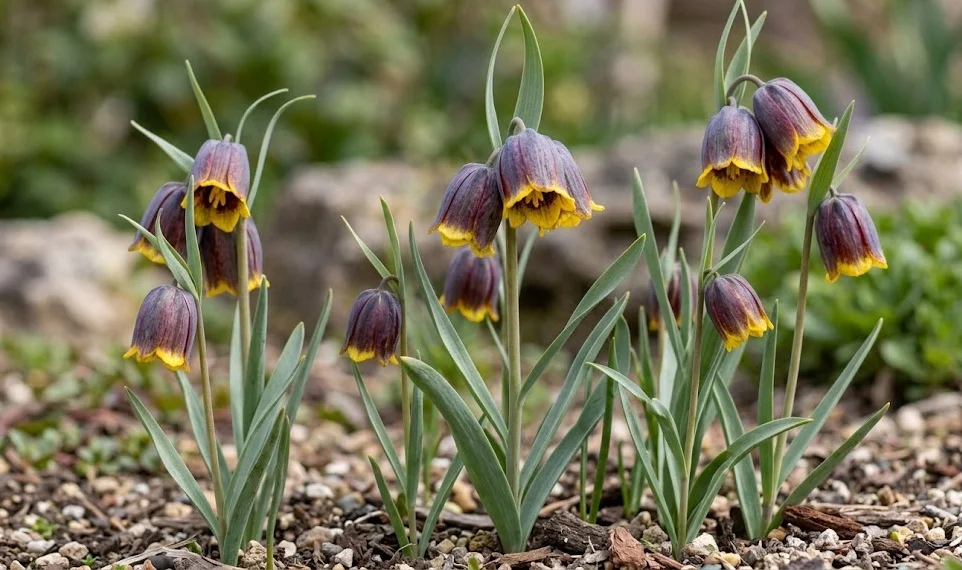
Flowering typically occurs in mid to late spring, offering a stunning display of mahogany and yellow bells. Each stem usually carries one or two nodding blooms that create a delicate and understated effect. Once the blooming period ends, the plant shifts its energy toward replenishing the bulb for the following year. It is essential to let the foliage die back naturally during this stage to ensure the storage of vital nutrients.
Soil composition and drainage
The physical structure of the soil is perhaps the most influential factor in the health of the Assyrian fritillary. These plants require a medium that is rich in organic matter yet porous enough to allow water to pass through quickly. Heavy clay soils should be amended with significant amounts of sharp sand or fine grit to prevent compaction. A loose soil structure allows the roots to expand easily and access oxygen during the growing phase.
The chemical balance of the growing medium also needs careful consideration to support healthy development. A neutral to slightly alkaline pH level is generally preferred by this species for optimal nutrient uptake. If the soil is too acidic, a light application of lime can help stabilize the environment for the bulbs. Testing the soil before planting provides a clear baseline for any necessary modifications or enhancements.
Nutrient management strategies
While these bulbs are not heavy feeders, a consistent supply of nutrients during the active growth phase is beneficial. A balanced organic fertilizer applied as the first shoots appear provides the necessary boost for leaf development. Avoid high-nitrogen fertilizers that can lead to excessive foliage at the expense of flower production. Instead, look for formulas that are slightly higher in potassium and phosphorus to support the bulb itself.
More articles on this topic
The timing of nutrient application is just as important as the type of fertilizer used in the garden. Applying amendments too late in the season can stimulate new growth that won’t have time to mature before dormancy. It is best to integrate granular feeds into the top layer of the soil where they can be washed down by spring rains. This method ensures a slow and steady release of minerals that matches the plant’s natural rhythm.
Monitoring plant health
Regular inspection of the foliage and stems can help identify potential issues before they become serious threats. Discolored leaves or stunted growth often indicate a problem with the roots or a lack of essential minerals. Check the base of the plant frequently for signs of moisture stress or environmental damage. Healthy plants will have firm, upright stems and leaves that exhibit a consistent, deep green color.
Insects can occasionally be drawn to the tender growth of the fritillary in the early part of the season. Slugs and snails are the most common visitors that may cause physical damage to the leaves. Taking proactive steps to manage these pests will preserve the aesthetic value of the display. Natural deterrents or physical barriers are often sufficient to keep the plants safe without resorting to harsh chemicals.
Aesthetic placement in the garden
The subtle beauty of the Assyrian fritillary is best appreciated when planted in groups rather than as isolated specimens. They work exceptionally well in rock gardens or at the front of a perennial border where their detail can be seen. Mixing them with other spring bulbs like dwarf daffodils or blue grape hyacinths creates a vibrant tapestry of color. Their nodding habit makes them ideal for elevated spots where the interior of the flower is more visible.
Consider the surrounding textures when choosing companions for these delicate, bell-shaped flowers. The fine-textured foliage of ferns or the bold leaves of hostas can provide an excellent backdrop for the fritillary. Since the plant disappears in summer, it is wise to place it near later-emerging perennials that will fill the gap. This strategic planning ensures that the garden remains attractive throughout the entire growing season.
Long term sustainability
Ensuring the longevity of an Assyrian fritillary colony requires minimal but targeted intervention over the years. Every few seasons, it may be necessary to lift and divide the bulbs to prevent overcrowding. This process rejuvenates the stand and provides an opportunity to inspect the health of the underground structures. Replanting the bulbs in refreshed soil will lead to a more vigorous display in the subsequent spring.
Maintaining a clear record of where the bulbs are planted is vital since they go completely dormant in summer. Marking the spots with small stakes or labels prevents accidental damage during routine garden maintenance. Over time, these plants will naturalize if the conditions are right, slowly spreading to fill the available space. A patient and observant approach is the key to enjoying these unique flowers for many decades.