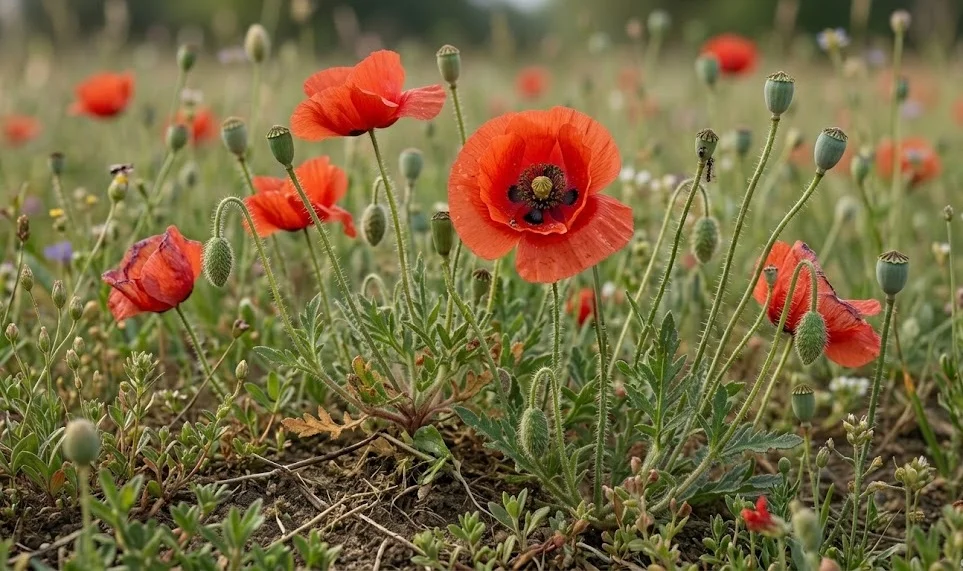

Proper hydration and nutrition are the cornerstones of a spectacular poppy display, though these plants are surprisingly modest in their demands. While they are often associated with dry, sun-baked fields, poppies still require a strategic approach to water management during their most active growth phases. Over-fertilizing can be just as detrimental as nutrient deficiency, making a balanced hand essential for the professional grower. This article details the specific requirements for watering and feeding these iconic wildflowers to ensure a healthy and prolonged blooming season.
Hydration needs throughout the life cycle
In the early stages of growth, consistent moisture is vital for the successful germination of the small poppy seeds. The surface of the soil should remain damp but never waterlogged, as excess water can cause the seeds to rot before they sprout. A fine mist is the preferred method for watering new sowings to avoid displacing the tiny seeds from their positions. Once the seedlings emerge, they continue to need regular hydration to support their rapid development.
As the plants mature and establish their deep taproots, they become significantly more drought-tolerant and resilient to heat. However, regular watering during dry spells will encourage a more prolific flowering period and larger individual blooms. It is best to water deeply but less frequently, encouraging the roots to grow further down into the soil in search of moisture. This practice builds a more robust plant that can survive the intense heat of mid-summer without wilting.
The transition from vegetative growth to flowering is a period where the plant’s water demands may shift slightly. While you should avoid saturating the soil, providing a steady supply of moisture ensures that the developing buds do not dry out. Water stress during this phase can lead to premature dropping of the buds or stunted flowers that fail to open fully. Monitoring the weather and adjusting the watering schedule accordingly is a key responsibility for any dedicated gardener.
After the peak flowering period has passed and the plant begins to set seed, the need for supplemental watering decreases. At this stage, the plant is naturally winding down its life cycle and preparing to dry out for seed dispersal. Excessive water in the late summer can actually interfere with the drying process of the seed pods and lead to fungal issues. Reducing irrigation during this final phase respects the natural biological clock of the annual poppy.
More articles on this topic
Optimal irrigation techniques
The method of delivery for water is just as important as the quantity provided to the plants during the growing season. Overhead watering should be avoided whenever possible, especially once the delicate flowers have begun to open. Large water droplets can bruise the thin petals and cause the heavy flower heads to droop or snap their stems. Using a soaker hose or a drip irrigation system at the base of the plants is a much more professional and effective approach.
Early morning is the ideal time to water poppies, allowing the foliage to dry out quickly as the sun rises. This practice reduces the risk of fungal diseases that thrive in cool, damp conditions overnight. If morning watering is not possible, late afternoon is an acceptable alternative, provided there is enough time for the leaves to dry before dusk. Consistency in the timing of irrigation helps the plants maintain a stable internal water balance.
In larger meadow settings, manual watering may not be practical or even necessary if the poppies are well-naturalized. These populations often rely on natural rainfall and the inherent moisture-retention capabilities of the soil. However, in exceptionally dry years, a periodic deep soak can help preserve the integrity of the meadow display. The goal in a naturalized setting is to intervene only when the health of the entire population is clearly at risk.
Understanding the drainage capacity of your soil is crucial when deciding on an irrigation strategy for your poppies. In sandy soils that drain quickly, more frequent watering will be required to keep the plants hydrated during a heatwave. Conversely, in heavier soils, you must be extremely careful not to overwater and create anaerobic conditions around the roots. Tailoring your technique to the specific geology of your garden ensures the best possible results for your wildflower display.
More articles on this topic
Nutritional requirements and soil enrichment
Poppies are generally adapted to low-fertility soils and do not require the heavy feeding that many ornamental garden plants demand. In fact, providing too much nitrogen can lead to lush green foliage at the expense of the iconic red flowers. A professional approach involves focusing on the long-term health of the soil rather than short-term chemical boosts. Preparing the bed with a small amount of organic compost prior to sowing is usually sufficient for the entire season.
If the soil is particularly poor or sandy, a balanced, slow-release fertilizer can be applied in early spring as growth begins. Look for a formula that is lower in nitrogen and higher in phosphorus and potassium to support strong stem development and flowering. These minerals help the plant build the structural integrity needed to support the large, nodding flower heads. Applying the fertilizer at the base of the plant prevents any potential burning of the delicate foliage.
Micronutrients also play a role in the health and color of the poppy blooms, though they are needed in only trace amounts. Elements like boron and magnesium are often present in healthy garden soil but may be depleted in over-worked areas. Using seaweed-based liquid feeds can provide a gentle dose of these essential elements without overwhelming the plant. This organic approach supports the biological diversity of the soil while providing the poppies with what they need.
The best way to manage poppy nutrition is to observe the plants closely throughout the growing season for any signs of deficiency. Slow growth or pale leaves may indicate that a light supplemental feed is necessary to boost vitality. However, if the plants look healthy and are flowering well, it is best to refrain from adding any more nutrients. Poppies truly embody the “less is more” philosophy when it comes to the use of fertilizers in the garden.
Managing soil pH and mineral balance
The common poppy is known to favor neutral to slightly alkaline soils, which reflects its natural presence in agricultural lime-rich fields. If your soil is naturally acidic, the plants may struggle to absorb the nutrients they need regardless of how much fertilizer you apply. In such cases, a light application of garden lime in the autumn can help adjust the pH to a more favorable level. This adjustment should be done gradually and based on the results of a reliable soil testing kit.
Calcium is a particularly important mineral for poppies, as it contributes to the strength of the cell walls in the stems and leaves. In areas with soft water or low-calcium soil, adding crushed eggshells or dolomitic lime can provide a slow release of this essential element. This structural support is vital for keeping the poppies upright during the high winds of summer. A well-balanced mineral profile leads to plants that are not only beautiful but also physically resilient.
Avoiding the buildup of salts from synthetic fertilizers is another consideration for the long-term health of the poppy bed. These salts can dehydrate the delicate root systems and interfere with the soil’s natural microbial life. By favoring organic matter and mineral-based amendments, you maintain a living soil that supports poppies for generations. This sustainable approach to nutrition is the hallmark of an expert gardener who respects the environment.
The interaction between water and nutrients is complex, as moisture is the vehicle that carries minerals into the plant. Overwatering can leach away mobile nutrients like nitrogen, leaving the plants undernourished even in fertile soil. Conversely, during a drought, the lack of water can prevent the plant from accessing the minerals that are already present in the ground. Maintaining a consistent moisture level is therefore a key part of managing the nutritional status of your poppy display.
Preventing the risks of over-fertilization
One of the most common mistakes in poppy cultivation is the application of high-strength liquid fertilizers during the blooming phase. This can cause the plant to prioritize new leaf growth, which often results in the existing flowers fading prematurely. Furthermore, the rapid growth stimulated by excessive feeding produces weak tissues that are highly susceptible to pests and diseases. A “lean” growth habit is much more desirable for wildflowers that need to withstand the natural elements.
Over-fertilization can also lead to a decrease in the quality and viability of the seeds produced at the end of the season. If the plant has been artificially pushed to grow beyond its natural limits, the resulting seeds may not have the stored energy needed for future germination. Since poppies rely on self-seeding for survival, protecting the integrity of the seed crop is a primary concern. Natural, slow growth results in the most robust and fertile seeds for the following year.
In addition to plant health, excessive fertilizer use can have negative impacts on the surrounding garden environment. Runoff from nitrogen-rich beds can contaminate local water sources and encourage the growth of invasive weeds. By keeping the poppy bed relatively unfertilized, you create a niche that favors the wildflowers while discouraging their more aggressive competitors. This ecological perspective is an important part of professional garden management.
Ultimately, the successful watering and fertilizing of the common poppy require a light touch and a deep understanding of the plant’s natural history. By observing the soil moisture and the plant’s physical response, you can fine-tune your care to match the specific conditions of your site. The reward for this attentive but restrained approach is a healthy, vibrant display of poppies that look perfectly at home in the landscape. Simplicity and patience are the best tools for achieving excellence with these charming annuals.