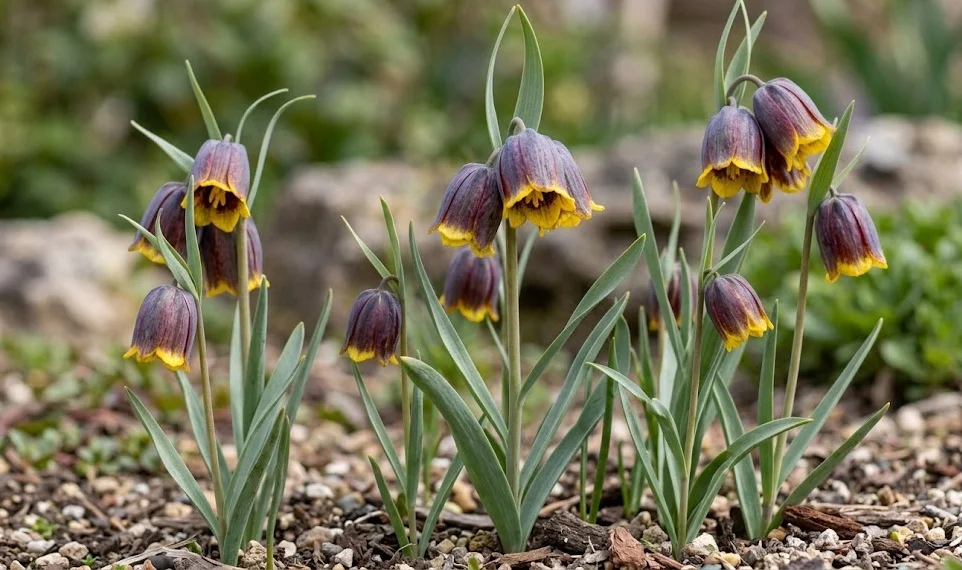

Successfully overwintering the Assyrian fritillary is a matter of understanding its natural cycle and providing adequate protection from extreme conditions. These bulbs are native to regions with cold winters, which means they actually require a period of chilling to bloom. However, the combination of intense cold and excessive moisture can be a deadly mix for the underground structures. Implementing a few professional techniques will ensure that your bulbs survive the winter and return with vigor in the spring.
The primary goal of overwintering is to keep the bulbs in a stable, dormant state until the environment is safe for growth. In most temperate climates, the bulbs can remain in the ground throughout the winter without being lifted. The key is to manage the soil environment to prevent freezing and thawing cycles that can damage the plant tissue. Proper preparation in the autumn sets the stage for a successful dormant period and a healthy spring emergence.
Hardiness and environmental stress
The Assyrian fritillary is generally hardy in many regions, but its tolerance can be tested by unusual weather patterns. Sustained periods of sub-zero temperatures without a protective snow cover can cause the ground to freeze deeply. This deep freeze can sometimes reach the depth of the bulbs, potentially causing internal damage or desiccation. Understanding your local climate zone is the first step in deciding how much protection your plants will need.
Environmental stress is often highest in late winter when the ground begins to thaw and then refreezes overnight. This “heaving” action of the soil can push bulbs closer to the surface, exposing them to harsh winds and cold. Ensuring that the bulbs are planted at the recommended depth is the most effective defense against this physical movement. A stable soil temperature is far more important for bulb health than the absolute temperature of the air.
Protective mulching techniques
Applying a layer of mulch in the late autumn is one of the best ways to insulate the soil and protect the dormant bulbs. Organic materials like shredded leaves, straw, or evergreen boughs work well as they trap air and provide a buffer against the cold. The mulch should be applied after the first hard frost to ensure that the ground has already cooled down. This timing prevents rodents from nesting in the warm mulch and feeding on the bulbs during the winter.
More articles on this topic
The thickness of the mulch layer should be adjusted based on the severity of the expected winter weather. In very cold regions, a layer of four to six inches may be necessary to provide adequate insulation for the bulbs. Be sure to remove the mulch gradually in the early spring as the first shoots begin to appear above the ground. This prevents the new growth from becoming smothered or blanched by a lack of light and air.
Storage of lifted bulbs
In areas with exceptionally wet winters or where the soil drainage is poor, it may be safer to lift the bulbs and store them indoors. Once the foliage has completely died back in late summer, carefully dig up the bulbs and clean off any excess soil. Allow them to dry in a cool, shaded spot for a few days until the outer skin feels firm. Store the bulbs in a breathable container filled with dry peat moss, sand, or perlite to maintain a stable environment.
The storage location should be cool, dark, and well-ventilated, such as a basement or an unheated garage. Aim for a temperature between 40 and 50 degrees Fahrenheit to keep the bulbs dormant but healthy. Check the bulbs periodically throughout the winter to ensure they are not drying out too much or showing signs of mold. If a bulb feels soft or hollow, discard it immediately to prevent any potential rot from spreading to others.
Early spring recovery
As the winter begins to fade, the Assyrian fritillary will naturally start to respond to the increasing day length and rising temperatures. If the bulbs were stored indoors, they should be replanted as soon as the soil can be worked in the early spring. For those left in the ground, the removal of heavy mulch is the primary task during this transitional period. Watch for the first signs of green growth and protect these tender shoots from late-season frost if necessary.
More articles on this topic
Early spring is also an excellent time to assess the overall health of the colony after the long winter months. If some plants fail to appear, it may be necessary to investigate the soil to see if any bulbs have been lost. Providing a light application of balanced fertilizer as the plants emerge can help them recover from the winter dormant period. With the right care, the Assyrian fritillary will quickly bounce back and prepare for its spectacular spring show.