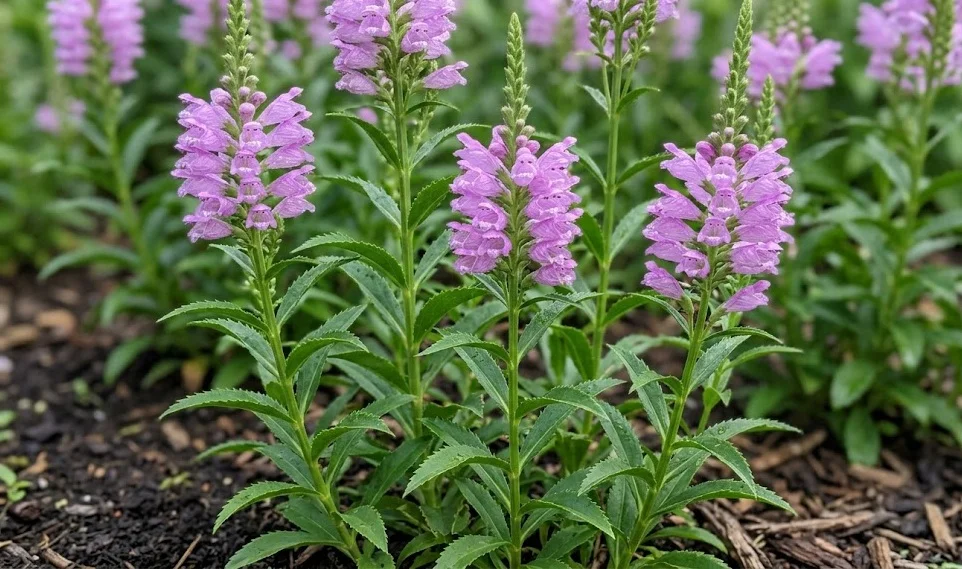

Finding the ideal light balance for the obedient plant is one of the most important decisions you will make during the planting process. You will find that while this perennial is remarkably adaptable to various exposure levels, its overall form and flowering capacity are heavily influenced by the amount of sun it receives. Whether you have a bright, open meadow or a partially shaded woodland border, understanding how this plant responds to light will help you place it for maximum impact. By tailoring your care to the specific light conditions of your garden, you can ensure a healthy and aesthetically pleasing display.
Maximizing floral production in full sun
For the most spectacular floral display, you should aim to provide your obedient plant with at least six to eight hours of direct sunlight each day. This abundance of energy allows the plant to produce the maximum number of flower spikes, often with the most vibrant color saturation. In full sun, you will notice that the stems grow very sturdy and upright, as they don’t need to stretch or lean toward the light source. This leads to a much more compact and visually impressive plant that serves as a focal point in the late summer garden.
While the plant loves the sun, you must be prepared to manage its water needs more closely in these high-exposure settings. You will find that the soil dries out much more quickly when subjected to the full heat of the summer sun, which can lead to stress if the plant isn’t well-hydrated. A thick layer of mulch is particularly beneficial here to keep the roots cool while the foliage basks in the brightness. Balancing light and moisture is the key to achieving the best results in an open, sunny border.
In very hot southern climates, you might find that the intense midday sun can be a bit overwhelming even for this sun-loving species. You should observe the plant during the hottest part of the day to see if the leaves are showing any signs of scorch or excessive wilting. If the heat is too extreme, providing a little bit of dappled shade during the early afternoon can prevent the foliage from becoming stressed. Understanding your local sun intensity is an important part of fine-tuning your garden’s microclimate.
Plants grown in full sun also tend to be more attractive to pollinators, who are naturally drawn to bright, open areas where flowers are easy to find. You will see a constant parade of bees, butterflies, and hummingbirds visiting the vibrant flower spikes throughout the day. This ecological activity adds a whole new dimension of life and movement to your sunny borders, making the obedient plant a vital part of your garden’s biodiversity. A sun-drenched planting is a thriving community of life.
More articles on this topic
Navigating the challenges of partial shade
The obedient plant is one of the few tall late-summer perennials that can perform reasonably well in partial shade. You should consider this an excellent option if you have a garden with filtered light or only a few hours of direct morning sun. In these conditions, the plant will still produce flowers, although they may be slightly less numerous and the colors a bit more muted than those grown in full sun. It is a versatile choice for bridging the gap between sunny beds and more shaded woodland areas.
One thing you should watch for in shadier locations is a tendency for the stems to become a bit taller and more “leggy” as they reach for the available light. You might find that the plants require more staking or support to keep them from flopping over, especially after a heavy rain. To counteract this, you can pinch the young stems back in late spring to encourage a bushier, more stable habit. Being proactive with your maintenance will help you manage the physical changes that come with lower light levels.
On the positive side, plants grown in partial shade generally have lower water requirements because the soil doesn’t dry out as quickly. You might find that you don’t need to water nearly as often as you would for a plant in a full-sun location. This can be a significant advantage during a dry summer, making the plant a low-maintenance option for those shadier corners of your yard. The lush green foliage also stays fresher and less prone to scorching when protected from the harshest rays.
When choosing a spot in partial shade, you should still aim for a location that has good air circulation to prevent any fungal issues. Shadier areas can often be more humid, which creates a more favorable environment for powdery mildew or leaf spots. Keeping the plants well-spaced and removing any surrounding clutter will help maintain the health of the foliage. With a little bit of extra attention, your obedient plant can be a shining star even in the quieter, shadier parts of your landscape.
More articles on this topic
Adapting to regional variations and seasonal changes
The angle and intensity of the sun change significantly throughout the year, and you should consider how this affects your garden’s light patterns. You might find that a spot that is in full sun during the height of summer is in deep shade by the time autumn arrives and the sun is lower in the sky. Fortunately, the obedient plant’s peak growing and flowering periods align well with the maximum light availability in most northern hemisphere gardens. Understanding these seasonal shifts helps you plan your garden for year-round success.
Regional differences also play a major role in how you should manage the light requirements for your plants. If you live in a northern region with cooler summers, you should prioritize the sunniest possible location to ensure the plant gets enough heat to bloom. Conversely, in the deep south, the primary challenge is often managing the heat and intensity rather than a lack of light. Adapting your strategy to your specific hardiness zone is a hallmark of an experienced and successful gardener.
You can also use the light requirements of the obedient plant to create interesting visual effects within your landscape design. You might plant it in a location where the late afternoon sun can back-light the translucent flower spikes, creating a glowing, ethereal effect. Or, use it to brighten up a darker corner of the garden where its white or pale pink cultivars can really stand out. Playing with light and shadow is one of the most creative aspects of gardening, and this plant is a perfect subject for those experiments.
Finally, remember that your garden is a dynamic and ever-changing environment, and what works one year might need adjustment the next as surrounding trees and shrubs grow. You should be prepared to move your plants if their light levels change significantly over time due to the growth of the landscape. The obedient plant’s ability to be divided and moved relatively easily makes it a very forgiving subject for these kinds of adjustments. Stay curious and observant, and your garden will continue to reward you with its beauty.