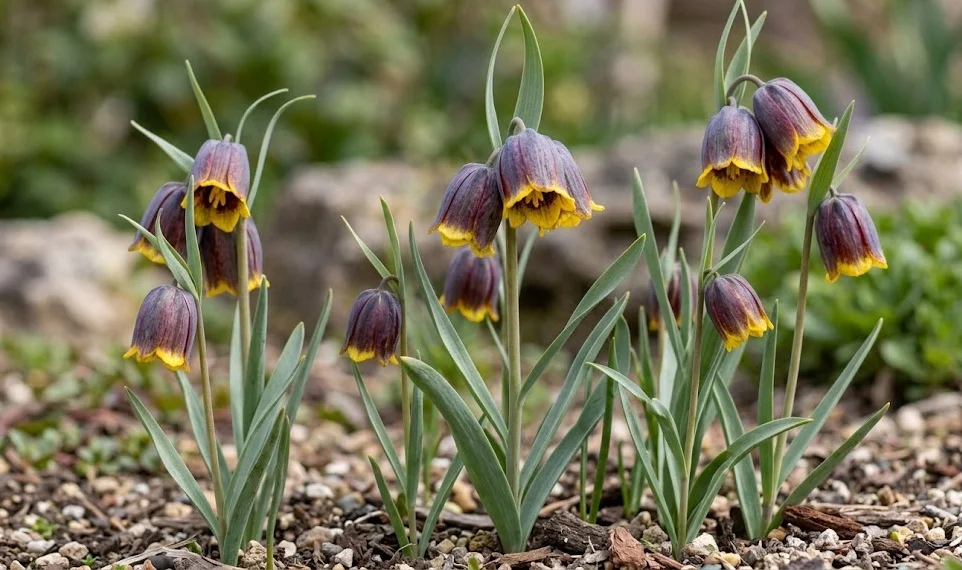

The lighting conditions provided to the Assyrian fritillary significantly influence its growth rate, flower quality, and overall health. Finding the perfect balance between light and shade is a subtle art that requires careful observation of the garden’s microclimate. Too much direct sun can scorched the delicate petals, while too little light leads to weak, leggy stems that struggle to support the blooms. A professional gardener knows how to position these plants to maximize their aesthetic potential and botanical vigor.
Light requirements change throughout the season as the sun’s angle shifts and the surrounding vegetation develops. In the early spring, when the fritillary is most active, it often benefits from the absence of leaves on nearby deciduous trees. This allows the plant to soak up the maximum amount of energy before the canopy closes in. Understanding these seasonal dynamics is essential for choosing a permanent planting site that will support the plant for years.
Direct vs indirect light
In its native environment, the Assyrian fritillary often grows in open areas where it receives a significant amount of direct sunlight. In a garden setting, it performs best when it gets at least six hours of bright light during the morning and early afternoon. Direct morning sun is particularly beneficial as it helps dry the overnight dew and prevents fungal issues. However, the intensity of the afternoon sun can sometimes be too harsh for the nodding, mahogany-colored flowers.
Indirect or dappled light is often the ideal solution for the hotter parts of the day in many climate zones. Placing the bulbs on the edge of a woodland garden or near a light-filtering shrub provides the necessary protection from extreme heat. The plants will still receive enough energy for photosynthesis without the risk of flower desiccation or foliage burn. Observe how the shadows move across your garden to find the “sweet spot” where the light is bright but tempered.
Impact on blooming quality
The amount of light the plant receives directly correlates to the intensity of the flower color and the strength of the stem. In high-light conditions, the mahogany and yellow tones of the bells become more pronounced and vibrant. The stems also grow shorter and sturdier, which is ideal for maintaining the upright habit of the plant. If the light is insufficient, the flowers may appear pale and the stems will often lean toward the nearest light source.
More articles on this topic
Consistent light also plays a role in the duration of the blooming period for the Assyrian fritillary. While light is needed for growth, excessive heat from direct sun can cause the flowers to fade and drop more quickly. By providing a location with cool, bright light, you can often extend the display by several days or even a week. This balance ensures that the plant has enough energy to replenish its bulb while still providing a long-lasting visual impact.
Shading strategies
If your garden is naturally very sunny, you can use companion plants to create a beneficial shading strategy for your fritillaries. Planting them among taller perennials that emerge later in the spring can provide a natural shield from the afternoon sun. This “layering” technique mimics natural ecosystems and helps regulate the temperature around the base of the bulbs. Avoid using plants that are too aggressive, as they might compete for the same light and nutrients.
For bulbs grown in pots, the flexibility of moving the containers allows you to manage light levels with great precision. You can keep the pots in a sunny spot during the early leaf-development phase and move them to a cooler, shaded area once the flowers open. This level of control is one of the main advantages of container gardening for delicate species like the Assyrian fritillary. Always monitor the plants for signs of light stress and be ready to make adjustments as the season progresses.