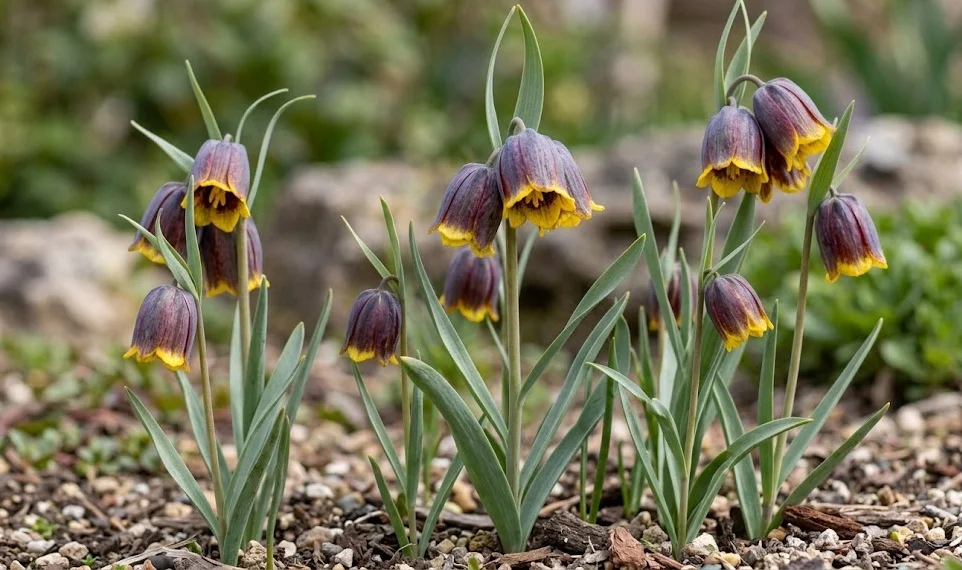

Mastering the hydration and nutritional needs of the Assyrian fritillary is essential for maintaining its health and promoting vibrant blooms. This species has evolved to thrive in specific moisture regimes that vary significantly throughout the calendar year. Providing the right amount of water and nutrients at the correct time prevents common issues like root rot or stunted growth. A professional approach to these tasks ensures that the bulbs remain vigorous and productive for many seasons.
The primary rule for watering these bulbs is to maintain a balance between moisture and drainage. During the active growing season in the spring, the soil should be kept consistently damp but never saturated. As the plant enters its summer dormancy, the watering needs change drastically to prevent the bulbs from decaying. Understanding this seasonal transition is the key to long-term success with this delicate and beautiful plant.
Initial moisture requirements
As the first shoots emerge from the soil in late winter or early spring, the plant’s demand for water increases. This is the period when the cells are rapidly expanding and the flower buds are forming deep within the foliage. If the spring is particularly dry, supplemental watering may be necessary to ensure the stems reach their full height. Always apply water at the base of the plant to keep the leaves and flowers dry.
The best time of day for watering is early in the morning before the sun becomes too intense. This allows any excess moisture on the soil surface to evaporate, reducing the risk of fungal infections. Avoid watering late in the evening, as lingering dampness overnight can attract pests like slugs. Consistent moisture during this early phase directly correlates to the quality and duration of the spring bloom.
Dormancy period watering
Once the flowers have faded and the foliage has turned yellow, the Assyrian fritillary begins its summer dormancy. At this stage, the plant’s metabolic activity slows down significantly, and its need for external water disappears. In many climates, the natural rainfall during the summer months is more than sufficient for the dormant bulbs. Excessive watering during this time is the most common cause of bulb loss in domestic gardens.
More articles on this topic
If the bulbs are grown in containers, they should be moved to a spot where they are protected from heavy summer downpours. The goal is to keep the soil almost dry, providing just enough moisture to prevent the bulbs from shriveling completely. In late autumn, a light watering can be resumed to signal to the bulbs that the new growing season is approaching. This cycle of wet and dry periods mimics the natural environment of the species.
Essential nutrient profiles
Providing the right nutrients involves understanding the specific mineral requirements of bulbous perennials. Nitrogen is needed for leaf growth, but an overabundance can lead to weak stems and fewer flowers. Phosphorus is critical for the development of a strong root system and the initiation of healthy flower buds. Potassium plays a vital role in the overall hardiness of the bulb and its ability to survive the winter.
Using a slow-release organic fertilizer is often the most effective way to deliver these nutrients over a long period. Well-rotted compost or leaf mold can also be used as a top dressing to improve soil structure while providing mild nourishment. These organic options release minerals gradually as they break down, matching the slow growth rate of the plant. Avoid synthetic fertilizers with very high concentrations, as they can burn the sensitive roots of the fritillary.
Application methods
The most effective way to fertilize these plants is by incorporating the nutrients into the soil before the growing season starts. A light application of granular fertilizer in late winter, just before the shoots appear, provides a steady supply for the spring. Gently scratch the granules into the top inch of soil, taking care not to disturb the bulbs below. Watering the area immediately after application helps the nutrients reach the root zone more effectively.
More articles on this topic
For plants that seem to be struggling, a liquid seaweed extract can be used as a quick pick-me-up during the early growth phase. This provides a range of micronutrients that are easily absorbed by the foliage and roots. However, stop all fertilization once the plant has finished flowering and the leaves start to turn brown. Forcing growth during the senescence phase can weaken the bulb and reduce its ability to store energy for the next year.
Signs of imbalance
Monitoring the appearance of the Assyrian fritillary can reveal a lot about its nutritional and hydration status. Yellowing leaves during the height of the spring season may indicate either overwatering or a deficiency in nitrogen. Conversely, if the leaf tips appear burnt or brown, it could be a sign of over-fertilization or salt buildup in the soil. Stunted growth often suggests that the soil is too compacted or lacking in essential phosphorus.
If you notice the plant drooping despite the soil being moist, it may be a sign of root damage caused by poor drainage. In such cases, it is often best to stop watering immediately and allow the soil to dry out completely. Adjusting the care routine based on these visual cues allows for a more personalized and successful gardening experience. A professional gardener learns to read these subtle signs to maintain the perfect environment for their plants.