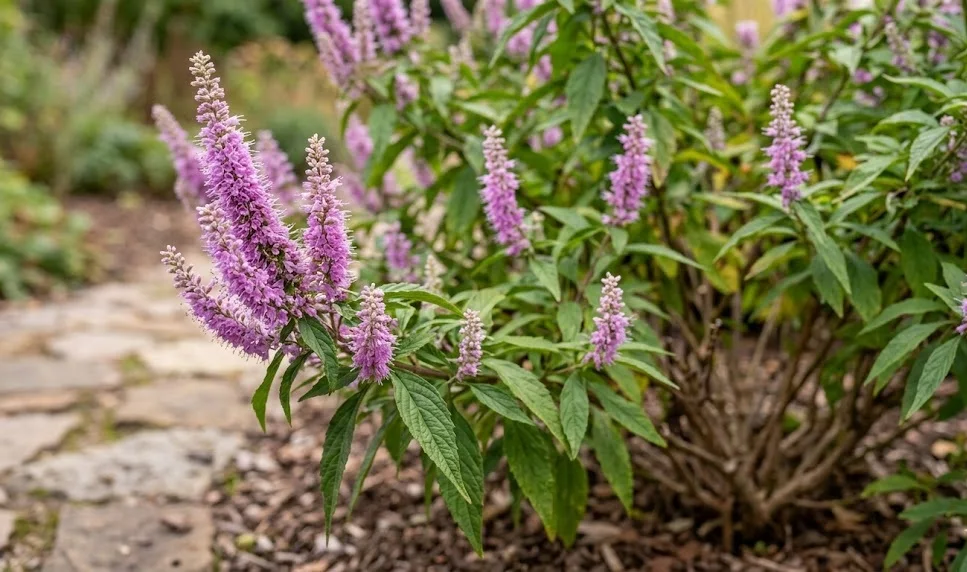

As the autumn days grow shorter and the temperatures begin to decline, the late mint shrub naturally prepares itself for the coming winter dormancy. You should observe the changing color of the foliage as the plant begins to pull nutrients back from its leaves and into the perennial root system. This biological shift is a signal that the active growth phase is ending and the time for intensive care has passed for the year. Preparing the plant gradually for the first hard frost ensures that it enters the cold months in the best possible physiological condition.
You should avoid any heavy pruning or fertilization in the weeks leading up to the expected first frost of the season. Late-season feeding can stimulate new, tender growth that will not have enough time to harden off before the freezing weather arrives. This soft tissue is highly susceptible to frost damage, which can lead to dieback and create entry points for opportunistic pathogens. It is much better to let the plant naturally slow its metabolism and focus on strengthening its existing woody structures.
Clean up the area around the base of the shrub by removing any fallen leaves or spent flower stalks that might harbor pests over the winter. While some organic debris can provide habitat for beneficial insects, a thick layer of wet leaves against the stem can encourage rot during damp winter spells. You should aim for a balance between ecological support and the physical health of the plant’s main crown. A tidy garden bed also makes it much easier to apply protective measures once the ground begins to freeze.
Final deep watering before the ground freezes solid is one of the most helpful things you can do for your mint shrub. Deciduous plants still lose a small amount of moisture through their bark and buds during the winter, and dry soil can lead to root desiccation. By ensuring the root zone is well-hydrated, you provide the plant with a critical moisture reserve that will help it survive the long dormant period. This is especially important in regions where the winter months are characterized by dry, biting winds and little snowfall.
Protective mulching techniques
Applying a fresh layer of mulch is a standard professional practice for protecting the root systems of shrubs in temperate climates. For the late mint shrub, a layer of about ten centimeters of organic material like straw, shredded bark, or evergreen boughs is ideal. This insulation helps to moderate the soil temperature, preventing the damaging cycle of repeated freezing and thawing that can push plants out of the ground. You should apply the mulch after the ground has initially frozen to keep the temperature stable throughout the winter.
More articles on this topic
The mulch should be spread in a wide circle that extends at least to the edge of the plant’s drip line to cover the entire root mass. You must be careful to leave a small gap of a few centimeters around the main stems to prevent moisture from being trapped against the bark. This gap allows for essential air circulation and prevents the development of fungal rot in the lower crown area. Using a breathable material ensures that the soil can still exchange gases while remaining insulated from the extreme surface cold.
In colder regions where the ground stays frozen for months, mulching also helps to preserve the moisture you added during your final autumn watering. It acts as a physical barrier against the drying effects of the winter sun and wind, which can strip moisture from the top layers of soil. If you use straw or leaves, you might need to secure them with a piece of light netting to prevent them from blowing away during winter storms. This proactive approach provides a significant safety net for the plant’s most vital organs located beneath the surface.
As the winter progresses, you should occasionally check the mulch layer to ensure it hasn’t become compacted or displaced by local wildlife. Some small rodents may try to nest in the warm mulch, so keeping it slightly away from the plant’s stems helps to discourage them from chewing on the bark. If you notice any significant settling, you can add a little more material to maintain the desired depth of insulation. A well-maintained mulch layer is the primary defense against the physical stresses of the harshest winter weather.
Shielding from harsh winter winds
The late mint shrub is quite hardy, but its dormant buds and stems can still suffer from desiccation caused by cold, dry winter winds. If your garden is located in an exposed area, you might consider setting up a temporary windbreak to protect the shrub during the coldest months. A simple structure made of burlap or a snow fence can significantly reduce the wind speed and the resulting moisture loss from the plant. This protection is particularly important for younger specimens that have not yet developed a thick, protective bark.
More articles on this topic
When using burlap, you should create a screen rather than wrapping the plant tightly like a mummy, which can trap too much heat on sunny winter days. The goal is to provide a buffer that deflects the wind while still allowing air to circulate around the branches. You can use wooden stakes to support the burlap, ensuring it is positioned on the side of the prevailing winter winds. This mechanical intervention can make the difference between a healthy spring awakening and significant winter dieback of the upper stems.
Snow can actually serve as an excellent natural insulator for the lower parts of the shrub, protecting them from the most extreme air temperatures. However, heavy, wet snow can also cause physical damage by weighing down the branches and potentially breaking them. You should gently brush off excessive snow accumulation after a heavy storm to prevent the structural failure of the plant’s main framework. Always use an upward motion with a broom or your hands to avoid putting even more downward pressure on the cold, brittle wood.
Monitoring the plant during mid-winter thaws is also part of a professional wintering strategy for any prized garden shrub. During these brief periods of warmth, the plant may begin to lose more moisture, but it cannot replenish it if the ground remains frozen. If you experience a long thaw without any precipitation, you might consider providing a small amount of water to the base of the plant. This careful attention to the microclimate ensures the shrub remains resilient through the unpredictable shifts of the modern winter season.
Spring emergence and post-winter care
The transition from winter dormancy back to active growth is a delicate time for the late mint shrub as it begins to push out new buds. You should wait until the danger of hard frosts has passed before you begin to remove the protective winter mulch from the base. Removing it too early can expose the tender new shoots to sudden cold snaps that can damage or kill the early growth. A gradual thinning of the mulch allows the soil to warm up slowly and provides a more natural transition for the plant.
Once the new growth is clearly visible, you can perform a light cleanup of the shrub to remove any stems that did not survive the winter. Use sharp pruning shears to cut back any dead or damaged wood to the point where you see healthy, green tissue. This initial pruning helps the plant to focus its energy on the most productive areas and improves the overall shape for the coming season. You should also take this opportunity to inspect the plant for any signs of pest activity that might have started during the early spring.
The first watering of the spring should be thorough, helping to settle the soil and provide the hydration needed for the rapid expansion of foliage. If you notice that the soil has become compacted over the winter, you can gently loosen the surface with a hand fork. This aeration helps the spring rains to penetrate deeper into the ground and encourages the roots to start active respiration. Providing a small amount of balanced fertilizer at this stage will give the shrub the nutrients it needs for a strong start.
As the leaves fully expand and the shrub regains its lush, aromatic appearance, you can reflect on the success of your wintering strategy. Each year provides new insights into how the plant interacts with your specific local climate and which protective measures were most effective. With proper winter care, the late mint shrub will continue to grow larger and more beautiful with every passing season. This cycle of dormancy and rebirth is one of the most rewarding aspects of professional gardening and landscape management.