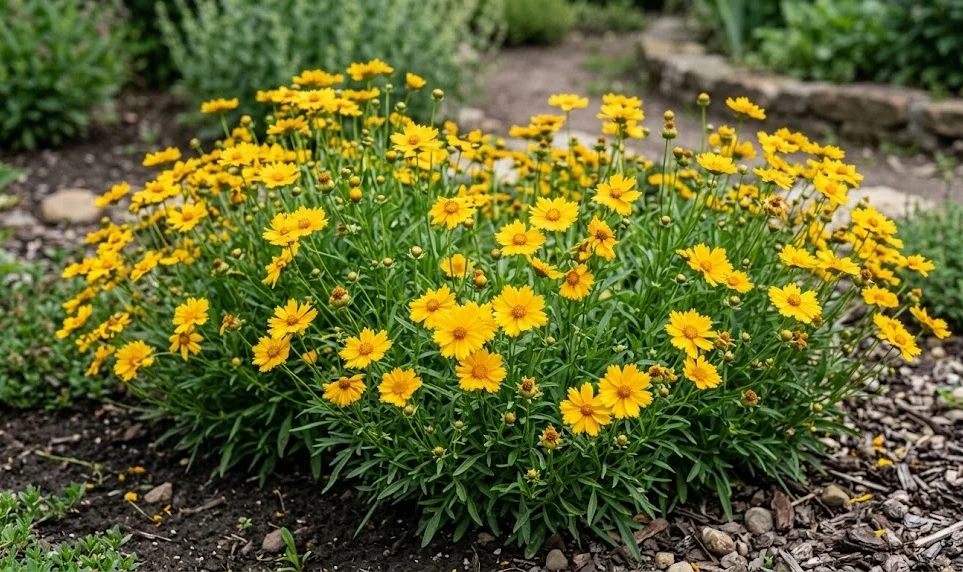

The relationship between tickseed and sunlight is the single most important factor determining the success of your floral display and the overall health of the plant. As members of the sunflower family, these perennials have evolved to thrive under the broad, open skies of prairies and meadows, where light is abundant and unobstructed. Understanding how to manage this light requirement within the constraints of a modern garden is essential for any professional horticulturalist. By optimizing the exposure of your plants, you can ensure a prolific blooming season and a compact, attractive growth habit.
Importance of full sun exposure
To achieve the best possible results, tickseed should be planted in a location that receives at least six to eight hours of direct sunlight every day. This high level of light intensity is what fuels the energy-intensive process of flower production, resulting in the dense clusters of blooms that gardeners love. Without sufficient sun, the plant will struggle to generate enough carbohydrates to support its reproductive cycle, leading to fewer and smaller flowers. Professional garden designs always prioritize these high-light areas for the most vibrant and showy perennial selections.
In addition to bloom count, the quality of sunlight also affects the structural integrity and aesthetic form of the plant. Tickseed grown in full sun tends to have a much more compact and sturdy growth habit, with shorter internodes between the leaves. This results in a “bushier” appearance that looks neat and professional without the need for constant staking or pruning. Sunlight also helps to strengthen the cell walls of the stems, making them more resilient against the forces of wind and heavy rain.
The timing of the light is just as important as the total number of hours, with morning sun often being the most beneficial for plant health. Early light helps to dry the dew from the foliage quickly, which is a key factor in preventing the development of fungal diseases like powdery mildew. If your garden has limited full sun, prioritizing the morning and early afternoon exposure will yield the best health outcomes for your plants. A professional assessment of your garden’s light patterns throughout the day is the first step in successful site selection.
Conversely, plants that are deprived of their required light will often exhibit a phenomenon known as “leggy” growth, where the stems become long, weak, and sparse. This happens because the plant is stretching toward the nearest light source in a desperate attempt to find more energy. Not only does this look untidy, but the weakened stems are much more likely to flop over and break under the weight of their own flowers. Providing the correct light exposure from the very beginning is the most effective way to avoid these common structural problems.
More articles on this topic
Adapting to partial shade conditions
While full sun is the ideal, many gardeners have landscapes with moving shadows or filtered light that offer more of a partial shade environment. Some varieties of tickseed are more adaptable than others and can still perform reasonably well with only four to six hours of direct light. In these situations, you might notice that the blooming period is slightly shorter or that the colors of the flowers are not quite as intense as they would be in full sun. Understanding these trade-offs allows you to make informed decisions about where to place your plants for maximum impact.
When growing tickseed in less-than-ideal light, you can compensate for the lower energy levels by being extra diligent with other aspects of care. Ensuring that the soil is perfectly drained and that the plants have plenty of air circulation becomes even more critical in shadier spots. These conditions help to offset the increased risk of moisture-related issues that often accompany lower light levels. A professional gardener knows how to balance these environmental factors to maintain plant health even in challenging locations.
Choosing the right variety is also a key strategy for success in gardens that aren’t blessed with constant sunshine. Some species, particularly those originally from woodland edges, have a natural tolerance for dappled light and will thrive where others might fail. Doing your research and selecting the most appropriate genetic match for your specific garden conditions is a hallmark of an expert approach. Always look for descriptions that mention shade tolerance if you know your planting site is not in the full, open sun.
Monitoring the movement of shadows throughout the growing season is important, as the light levels in a specific spot can change significantly from spring to late summer. Trees leafing out or the sun’s changing angle can turn a sunny spring location into a deeply shaded summer retreat. If you notice your tickseed’s performance declining as the season progresses, it may be due to these subtle shifts in light availability. Being prepared to move plants to a sunnier location if necessary is part of the dynamic process of professional garden management.
More articles on this topic
Monitoring light cycles and plant health
Observing the physical response of your tickseed to its environment is the best way to determine if its light needs are being met effectively. A plant that is receiving perfect light will have deep green, vibrant foliage and a consistent production of new flower buds. If the leaves start to look pale or the plant seems to stop growing entirely, it may be a signal that the light intensity is too low for its needs. These visual cues are the plant’s way of communicating its health status to the observant gardener.
Phototropism, or the tendency of plants to grow toward the light, can be a useful diagnostic tool for assessing your garden’s layout. If all your tickseed stems are leaning heavily in one direction, it is a clear sign that the light is coming from a limited or obstructed angle. You can sometimes correct this by pruning back overhanging branches from nearby shrubs or trees to open up the canopy. Small adjustments to the surrounding landscape can often make a huge difference in the amount of usable light that reaches your perennial beds.
Reflected light can also play a role in the microclimate of your garden, sometimes providing a helpful boost to plants in marginally shady spots. Light bouncing off a white fence or a light-colored wall can increase the overall brightness of a location without adding direct solar heat. Professional designers often use these architectural features to their advantage when planning garden layouts in urban or enclosed spaces. Understanding these subtle environmental factors allows you to push the boundaries of what is possible in your floral displays.
Finally, remember that light intensity can sometimes be too much for certain varieties during the peak of a record-breaking summer heatwave. While rare for tickseed, very high temperatures combined with intense midday sun can cause some temporary wilting or scorched leaf edges. In these extreme cases, providing a bit of temporary afternoon shade or ensuring the plants are exceptionally well-watered can help them bridge the gap. Staying responsive to the immediate needs of your plants is what defines a truly expert and professional gardening practice.