
Proper hydration is the cornerstone of maintaining a healthy and vibrant late mint shrub throughout the intense summer growing season. While this species is relatively resilient, it requires a consistent supply of moisture to support its rapid foliage growth and subsequent autumn flowering. You should develop a routine that takes into account the specific weather conditions and soil moisture levels in your local area. Monitoring the plant daily during its first year of growth is essential for ensuring it develops a deep and robust root system.
A deep watering approach is far more beneficial than frequent, shallow sprinklings that only wet the top few centimeters of soil. You should aim to apply enough water so that it penetrates deep into the ground where the main root mass is located. This method encourages the roots to grow downward, making the plant much more drought-tolerant in the long run. During the hottest months, you may need to water the shrub two or three times a week depending on the rainfall levels.
The best time of day to irrigate your garden is in the early morning hours before the sun reaches its full intensity. Watering at this time allows the foliage to dry off quickly, which significantly reduces the risk of fungal diseases like powdery mildew. If you water in the evening, the moisture may sit on the leaves overnight, creating a breeding ground for various pathogens. Early morning hydration also ensures the plant is fully turgid and ready to face the heat of the day.
As the plant matures and its root system expands, you can gradually reduce the frequency of watering while maintaining the depth of each application. Established mint shrubs can often withstand short periods of dry weather without showing significant signs of distress or leaf drop. You should still keep a close eye on the plant during extended droughts to prevent any long-term damage to its structural health. A flexible watering schedule that adapts to the environment will keep your shrub thriving for many years.
Managing soil moisture levels
The texture and composition of your garden soil will dictate how effectively it holds and releases moisture to the plant’s roots. Sandy soils tend to drain very quickly, meaning you will need to water more frequently to keep the mint shrub adequately hydrated. In contrast, heavy clay soils retain water for much longer periods, which can lead to dangerous saturation if you are not careful. You should adjust your watering habits to match the specific drainage characteristics of your planting site.
More articles on this topic
Using organic mulch is one of the most effective ways to stabilize soil moisture and reduce the need for constant irrigation. A thick layer of wood chips or compost acts as an insulating barrier that prevents the sun from evaporating water directly from the ground. It also helps to keep the root zone cool, which is vital for the plant’s metabolic health during a heatwave. You should replenish the mulch every spring to maintain its effectiveness and continue improving the soil structure.
You can use a simple finger test to check the moisture levels before deciding whether it is time to turn on the hose. Insert your finger about five centimeters into the soil near the base of the shrub to feel for dampness. If the soil feels dry at that depth, it is a clear sign that the plant needs a thorough drink. If it still feels moist, you should wait another day or two to avoid the risks associated with over-watering.
For a more high-tech approach, you might consider installing a drip irrigation system that delivers water directly to the root zone. This method is highly efficient as it minimizes water waste and ensures that every drop reaches the plant where it is needed most. Drip systems can be put on a timer, providing a consistent moisture level even when you are away from home. Regardless of the method you choose, the goal is to provide a stable and predictable water supply for the shrub.
Nutrient requirements for vitality
The late mint shrub is a moderate feeder that benefits from a steady supply of essential minerals during its active growth period. Nitrogen is particularly important in the spring for the development of the lush, aromatic green foliage that defines the species. Phosphorus supports the growth of a strong root system, while potassium is crucial for overall plant health and flower production. You should aim to provide a balanced nutrient profile that supports all aspects of the plant’s development.
More articles on this topic
While synthetic fertilizers provide quick results, many professional gardeners prefer using organic options for long-term soil health. Compost and well-rotted manure not only provide nutrients but also improve the soil’s ability to hold water and support beneficial microbes. You can apply a generous layer of compost around the base of the plant every year as a top-dressing. This slow-release source of nutrition mimics the natural floor of a forest and creates a sustainable growing environment.
The timing of fertilizer application is just as important as the type of nutrients you choose to use. You should provide the first feeding in the early spring as the new buds begin to swell and the plant breaks dormancy. A second, lighter application in mid-summer can help to support the heavy energy demands of the upcoming flowering season. Avoid fertilizing late in the autumn, as this can encourage new growth that won’t have time to harden off before the frost.
Over-fertilization can be detrimental to the late mint shrub, leading to excessive leaf growth at the expense of its structural strength. Plants that receive too much nitrogen often produce soft, succulent stems that are more attractive to aphids and other sucking insects. You should always follow the recommended dosage on any fertilizer product and observe the plant’s reaction carefully. A “less is more” philosophy often results in a hardier, more naturally beautiful specimen that resists environmental stress.
Application methods for fertilizers
When applying granular fertilizers, you should scatter them evenly around the drip line of the shrub where the active roots are most concentrated. Avoid placing the fertilizer directly against the main trunk, as the concentrated salts can cause chemical burns to the bark. Use a garden rake to lightly incorporate the granules into the top layer of the soil without disturbing the roots. Watering the area immediately after application is essential for dissolving the nutrients and carrying them down into the ground.
Liquid fertilizers are another excellent option, especially for providing a quick boost of nutrients during the peak of the growing season. These products are usually diluted in water and applied directly to the soil or sprayed onto the leaves as a foliar feed. Foliar feeding allows the plant to absorb minerals through its stomata, providing almost immediate results for stressed specimens. However, this should be used as a supplement to, rather than a replacement for, traditional soil-based fertilization.
Slow-release fertilizer spikes or pellets offer a convenient way to provide nutrition over several months with a single application. These products are designed to break down gradually, releasing small amounts of nutrients every time it rains or you water the plant. This method reduces the risk of nutrient leaching and ensures a consistent supply of minerals throughout the entire summer. It is an ideal solution for busy gardeners who want professional results with minimal ongoing maintenance.
Regularly testing your soil can provide valuable insights into which specific nutrients might be lacking in your garden. A professional soil test will reveal the pH level and the concentrations of nitrogen, phosphorus, and potassium currently available. This information allows you to tailor your fertilization program to meet the exact needs of your late mint shrub. By avoiding unnecessary applications, you save money and protect the local environment from nutrient runoff.
Seasonal adjustments to care
As the seasons change, the nutritional and hydration needs of the late mint shrub shift to reflect its biological cycle. In the spring, the focus is entirely on rapid growth and the expansion of the leaf canopy to maximize photosynthesis. During this time, you should ensure the plant has plenty of water and a good supply of nitrogen-rich organic matter. The goal is to build a strong foundation that will support the heavy flower spikes that appear later in the year.
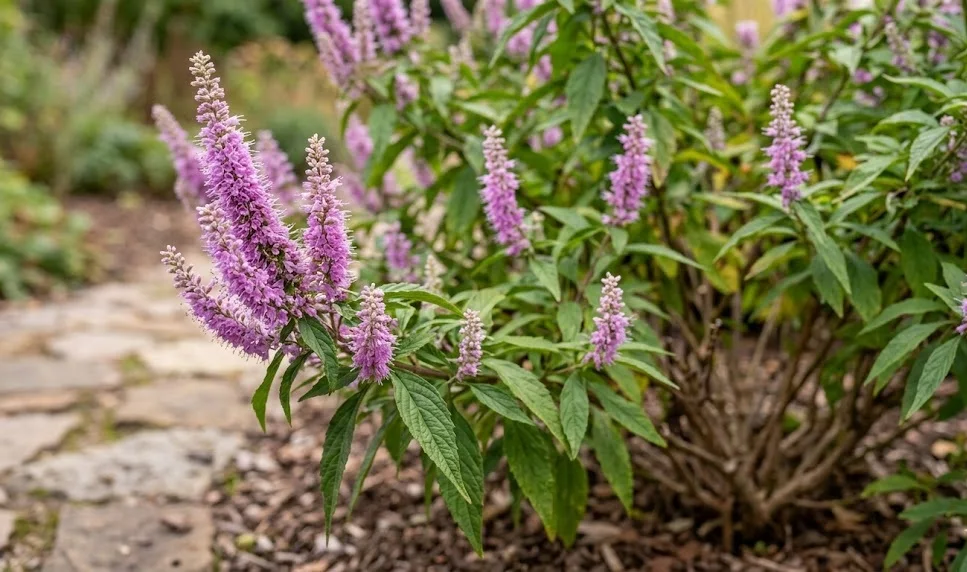
The transition from summer to autumn brings a change in the plant’s metabolic priorities as it prepares to bloom. You may notice that the plant’s water consumption increases slightly during the peak of the flowering period in September. It is important to maintain consistent moisture levels during this time to ensure the flowers remain vibrant and long-lasting. Reducing the nitrogen levels and focusing on potassium can help to enhance the color and quality of the purple floral spikes.
Once the flowering has finished and the temperatures begin to drop, the plant’s demand for water and nutrients decreases significantly. You should gradually reduce the frequency of irrigation as the shrub enters its natural dormant phase for the winter. The plant no longer needs extra feeding, and providing too much moisture in the cold soil can lead to root issues. This period of rest is essential for the plant to store energy for the following year’s growth cycle.
Winter care involves protecting the root zone rather than active watering or feeding of the plant itself. If you live in an area with very dry winters, you might provide a light watering once a month during a thaw to keep the roots from desiccating. However, in most temperate climates, the natural winter precipitation is more than enough to sustain the dormant shrub. Understanding these seasonal rhythms is the mark of a truly expert gardener who works in harmony with the plant’s natural needs.